Battle of Little Bighorn: Best Books & Historical Overview
What Was the Battle of Little Bighorn?
The Battle of Little Bighorn, also known as Custer's Last Stand, was a pivotal conflict fought on June 25-26, 1876, near the Little Bighorn River in Montana Territory. It pitted the U.S. Army's 7th Cavalry Regiment, led by Lieutenant Colonel George Armstrong Custer, against a coalition of Native American tribes, primarily the Lakota Sioux, Northern Cheyenne, and Arapaho, led by leaders such as Sitting Bull and Crazy Horse. The battle was part of the Great Sioux War of 1876, a broader conflict over land rights and U.S. expansion into Native American territories.
Custer's decision to divide his forces and attack the Native American encampment proved disastrous. The vastly outnumbered 7th Cavalry was overwhelmed, and Custer and nearly all his men were killed. The Native American victory, however, was short-lived. The U.S. government intensified its military campaign, leading to the eventual subjugation of the Plains tribes and the confinement of Native Americans to reservations. The battle remains one of the most iconic and studied events in American history, symbolizing both Native American resistance and the tragic consequences of westward expansion.
Book Comparison at a Glance
| Book | Readability | Depth | Best For |
|---|---|---|---|
| Son of the Morning Star | Moderate | Comprehensive | General readers |
| A Terrible Glory | High | Engaging narrative | History enthusiasts |
| The Last Stand | High | Balanced overview | Casual readers |
| Killing Custer | Moderate | Cultural analysis | Readers seeking Native American perspectives |
| The Day the World Ended at Little Bighorn | Moderate | Native oral history | Readers interested in Lakota perspectives |
Best Books About the Battle of Little Bighorn
The Battle of Little Bighorn has inspired numerous books, each offering unique perspectives on the event, its participants, and its legacy. Below are five standout works that provide valuable insights into this historic clash.
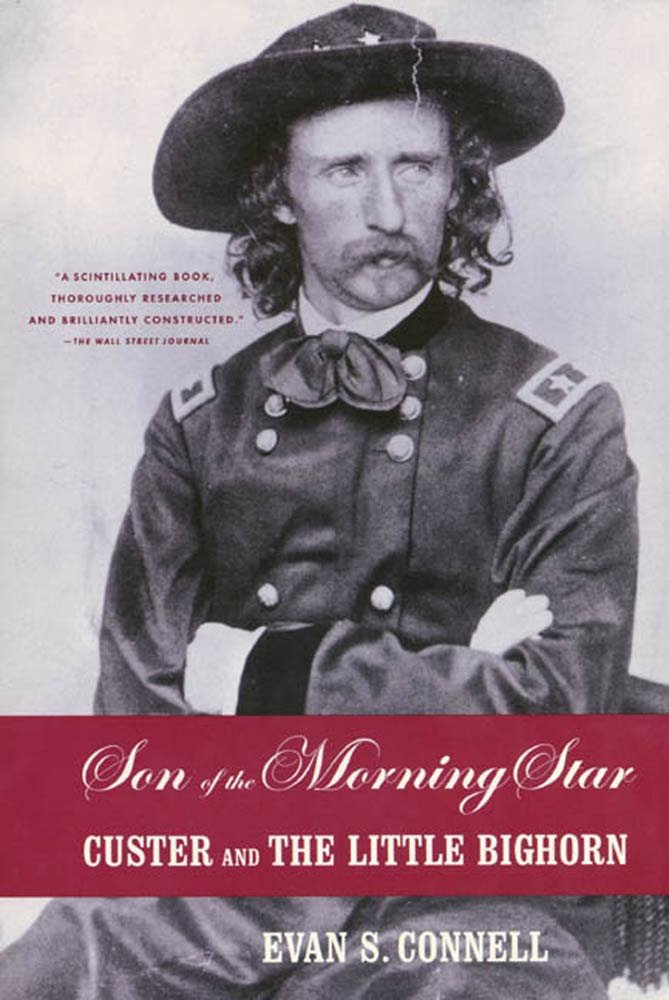
Son of the Morning Star: Custer and the Little Bighorn
A Terrible Glory: Custer and the Little Bighorn - the Last Great Battle of the American West
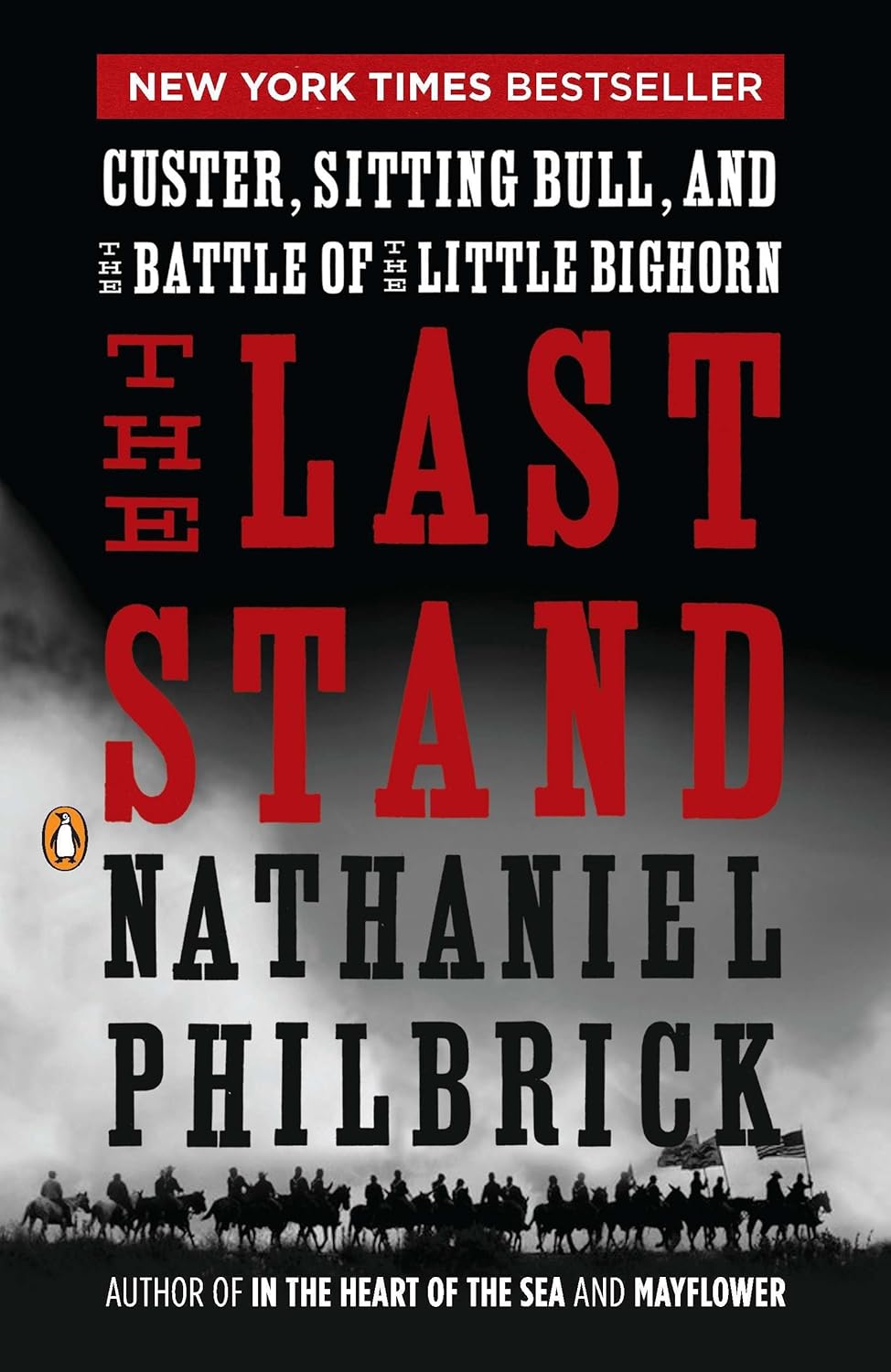
The Last Stand: Custer, Sitting Bull, and the Battle of the Little Bighorn
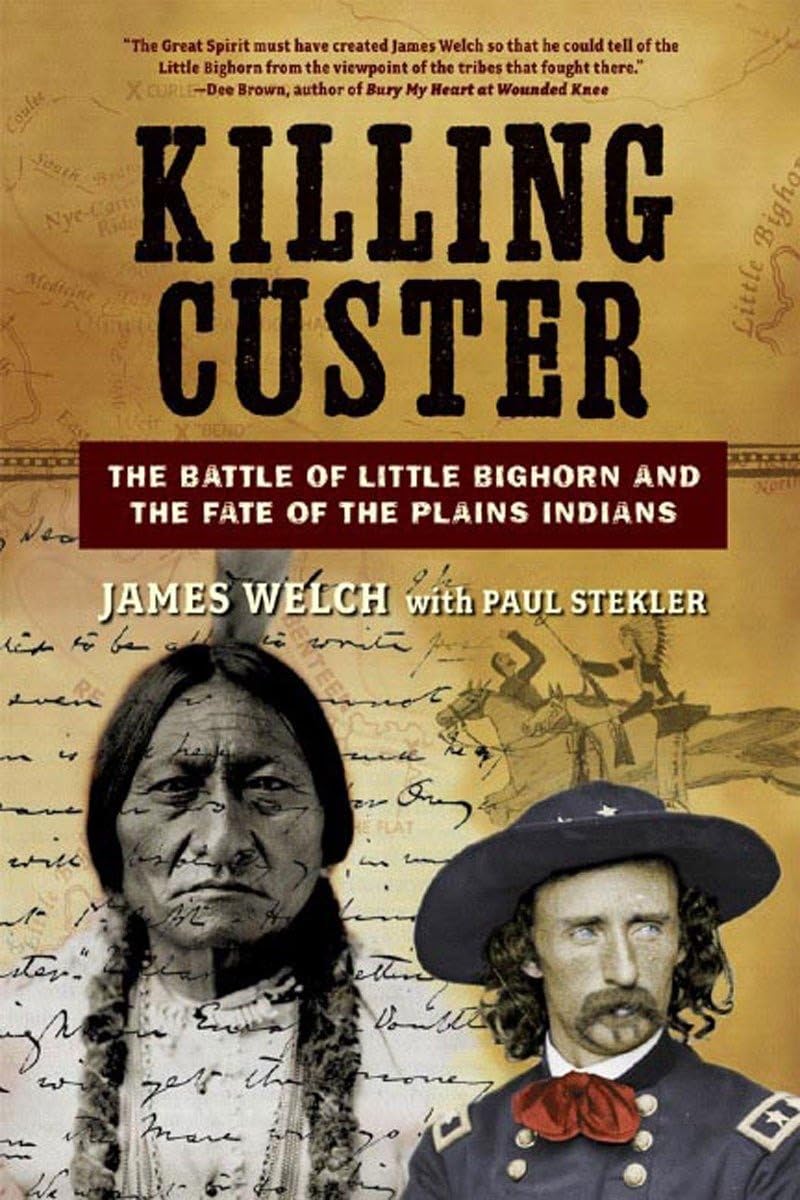
Killing Custer: The Battle of the Little Bighorn and the Fate of the Plains Indians
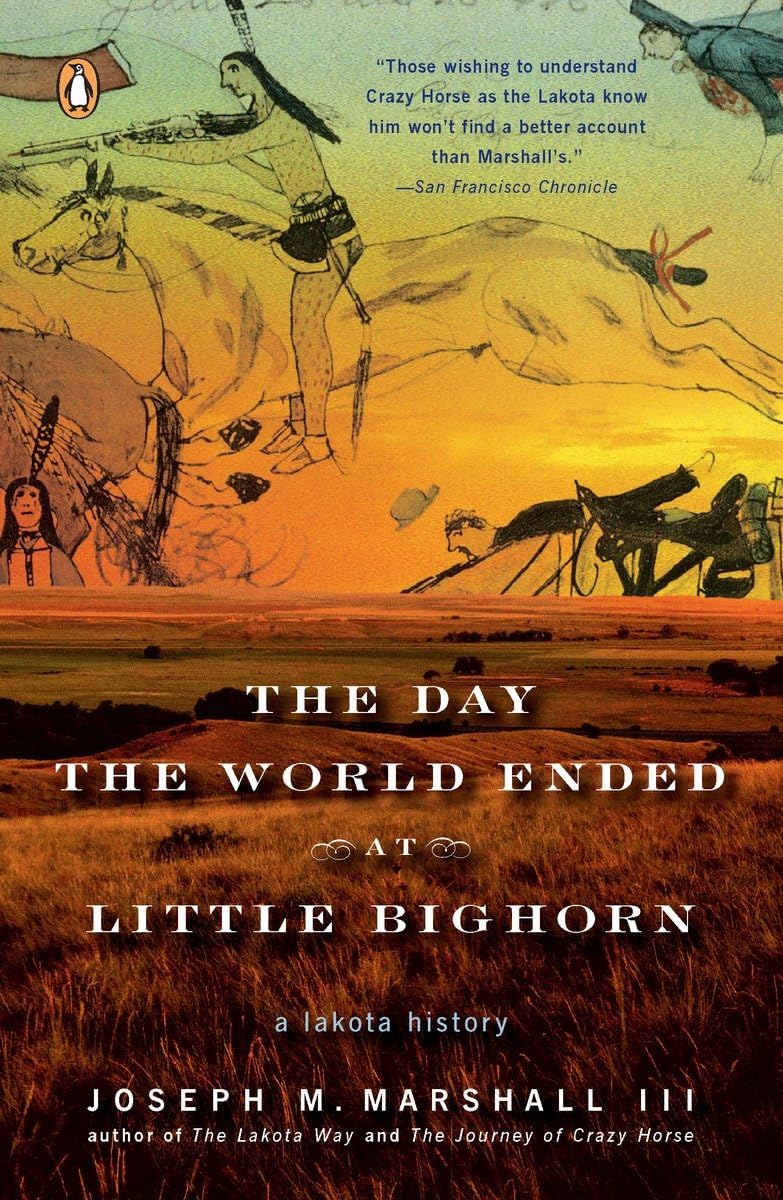
The Day the World Ended at Little Bighorn: A Lakota History
Impact & Consequences of the Battle of Little Bighorn
The Battle of Little Bighorn had profound and far-reaching consequences. For Native Americans, the victory was a rare moment of triumph against U.S. forces, but it also accelerated the government's determination to subdue the Plains tribes. In the aftermath, the U.S. Army intensified its campaigns, leading to the eventual defeat and relocation of Native Americans to reservations. The battle marked the beginning of the end for the traditional way of life for many Plains tribes.
For the United States, the defeat was a shocking blow to national pride and military strategy. It prompted a reevaluation of tactics and policies in dealing with Native American resistance. The battle also cemented Custer's place in American folklore, transforming him into a symbol of both heroism and folly. The event remains a touchstone for discussions about westward expansion, Native American rights, and the complexities of American history.
Crazy Horse, one of the battle's key figures, became a legendary symbol of Native American resistance. His life and legacy continue to inspire discussions about leadership, cultural preservation, and the struggle for justice. The Battle of Little Bighorn remains a powerful reminder of the cost of conflict and the enduring impact of historical events.
Perspectives & Controversies
The Battle of Little Bighorn has been the subject of intense debate and varying interpretations. From the U.S. perspective, early accounts often portrayed Custer as a heroic figure, tragically outnumbered by cunning foes. This narrative was shaped by the need to restore national pride and justify the government's policies toward Native Americans. Over time, however, historians have questioned Custer's decisions and leadership, leading to a more nuanced understanding of his role in the battle.
From the Native American perspective, the battle is seen as a moment of resistance against encroachment and oppression. Leaders like Sitting Bull and Crazy Horse are celebrated for their strategic brilliance and commitment to their people's survival. However, interpretations vary among tribes, with some emphasizing the unity of the coalition and others focusing on individual contributions.
Modern scholarship continues to explore the complexities of the battle, examining factors such as cultural misunderstandings, military strategy, and the broader context of U.S.-Native American relations. The event remains a focal point for discussions about historical memory, cultural representation, and the ongoing impact of colonialism.
Frequently Asked Questions
What is the best book on the Battle of the Little Bighorn?
"A Terrible Glory" by James Donovan is widely regarded as one of the best comprehensive accounts of the battle, blending meticulous research with compelling narrative.
What is the best book about Custer's last stand?
"Son of the Morning Star" by Evan S. Connell offers a vivid and detailed exploration of Custer's last stand, praised for its literary style and historical depth.
As an Amazon Associate, we earn from qualifying purchases.