Choosing a Translation
The translation you choose shapes the poem you read
As an Amazon Associate, we earn from qualifying purchases.
Translation Comparison at a Glance
| Translation | Readability | Accuracy | Tone | Best For |
|---|---|---|---|---|
| Wilson (2017) | High | Excellent | Direct, morally honest | First-time readers |
| Fagles (1996) | High | Very good | Dramatic, sweeping | Second read, university |
| Green (2018) | Moderate | Excellent | Scholarly, precise | Close reading, students |
| Lattimore (1965) | Low | Excellent | Literal, archaic | Scholars, second read |
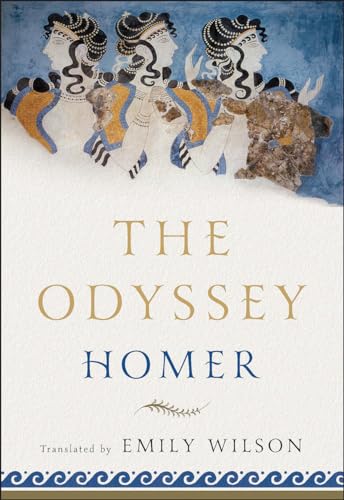
#1 — The Odyssey — trans. Emily Wilson (2017)
- Readability: High — direct, clear, and urgent
- Accuracy: Excellent — morally honest where others soften
- Tone: Modern without being casual
- Accessibility: High — the best introduction available
Which translation is right for you?
- Choose Wilson if you're reading the Odyssey for the first time and want clarity, urgency, and moral honesty about Odysseus's character.
- Choose Fagles if you prefer a more dramatic, sweeping Homer — especially if you've read his Iliad and want continuity of voice.
- Choose Green if you want scholarly depth, extensive footnotes, and the most technically precise modern version.
- Choose Lattimore if you want the most faithful rendering of Homer's Greek and don't mind a slower, more demanding read.
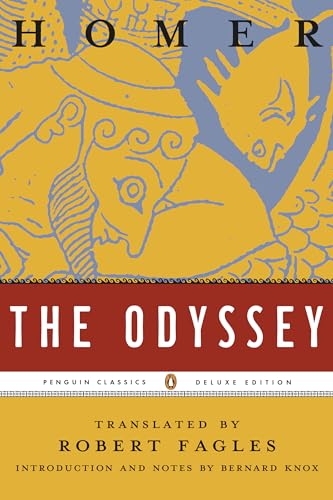
#2 — The Odyssey — trans. Robert Fagles (1996)
- Readability: High — sweeping, energetic sentences
- Accuracy: Very good — prioritizes momentum over literalism
- Tone: Grandly heroic
- Accessibility: High — Bernard Knox's introduction is outstanding
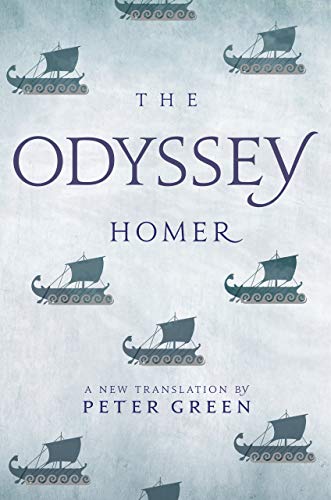
#3 — The Odyssey — trans. Peter Green (2018)
- Readability: Moderate — demanding but rewarding
- Accuracy: Excellent — rendered in English hexameters
- Tone: Precise, annotated, scholarly
- Accessibility: Best as a second translation
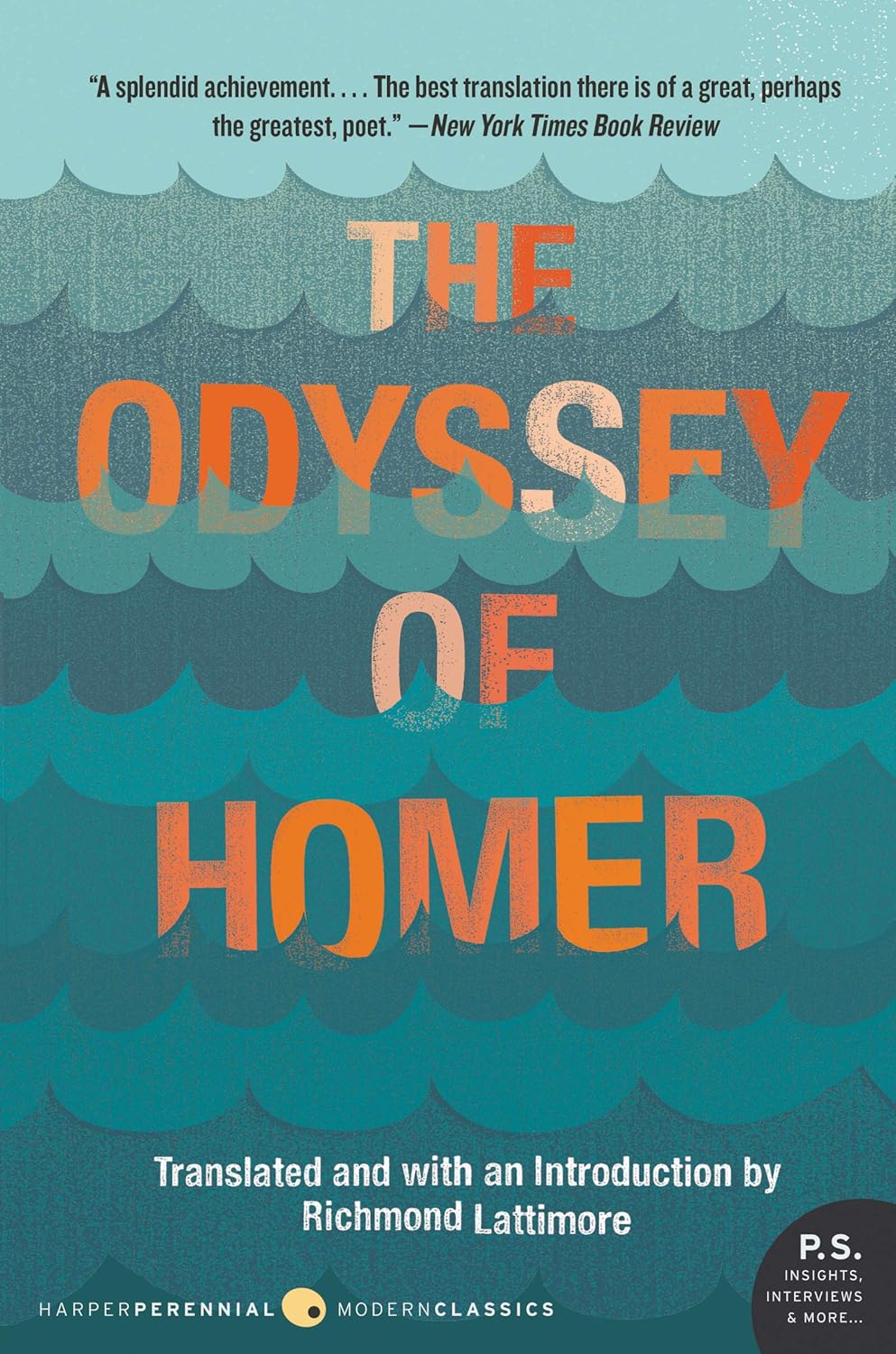
#4 — The Odyssey — trans. Richmond Lattimore (1965)
- Readability: Low — slow, formulaic, archaic
- Accuracy: Excellent — most faithful to Homer's syntax
- Tone: Oral, repetitive, scholarly
- Accessibility: Best as a second translation
About the Translators
Emily Wilson is Professor of Classical Studies at the University of Pennsylvania. Her 2017 Odyssey for W. W. Norton was the first English translation of the poem by a woman. Her rendering of polytropos as "complicated" sparked genuine scholarly debate about how to weight Odysseus's resourcefulness against his moral slipperiness — a debate the poem itself never resolves.
Robert Fagles (1933–2008) was Professor of Comparative Literature at Princeton. His Odyssey (1996) followed his celebrated Iliad (1990), completing a trilogy of epic translations with the Aeneid (1998). Bernard Knox, who wrote the introductions to both, considered Fagles's translations the finest literary renderings of Homer in English. His Odyssey has sold over a million copies.
Peter Green is a classicist and ancient historian — author of the standard modern history of the Hellenistic period. His Odyssey (2018), published when he was eighty-eight, represents decades of sustained engagement with Homer. His footnotes are the most extensive of any major translation and essential for understanding what Homer is doing technically, line by line.
Richmond Lattimore (1906–1984) was Professor of Greek at Bryn Mawr. His Odyssey (1965) followed his Iliad (1951), which remains the gold standard of scholarly Homer translation in English. Lattimore's method was to stay as close as possible to Homer's diction, syntax, and formulaic repetitions — preserving everything modern translators often suppress for readability.
Themes
The Odyssey's central drive is nostos — the Greek word for homecoming that gives us "nostalgia." Everything is organized around Odysseus's need to return to Ithaca, and everything that delays him — the Cyclops, Circe, Calypso, the Sirens — represents a different obstacle. What distinguishes the poem from a simple adventure narrative is that the obstacles are not only external. Odysseus himself is tempted. Calypso offers immortality; the Lotus Eaters offer the forgetting of all obligation. The poem asks, repeatedly, what a man owes to the people waiting for him.
The poem's moral center is metis — cunning intelligence — as opposed to the brute strength that defined the Iliad. Odysseus wins by thinking, not fighting. Every translator must make choices about how to render this intelligence: Wilson's "complicated man," Fagles's "man of twists and turns," Lattimore's "man of many ways." Those three phrases describe the same Greek word — polytropos — and the three translations that emerge are substantially different poems.
Frequently Asked Questions
Which Odyssey translation is best for first-time readers?
Emily Wilson's 2017 translation is the best starting point for most readers. It is the most direct, readable, and honest Odyssey in English, and its introduction is one of the finest essays on the poem available.
Wilson vs Fagles — which Odyssey should I choose?
Choose Wilson for clarity, modernity, and moral honesty about Odysseus's character. Choose Fagles if you want a more dramatic, sweeping Homer — especially if you've already read his Iliad.
Is the Lattimore Odyssey good for beginners?
No — Lattimore is the most faithful to the Greek but the most demanding for first-time readers. Start with Wilson or Fagles and return to Lattimore for a second read.
Which Odyssey translation is most accurate?
Lattimore is the most literal and faithful to Homer's syntax and formulaic repetitions. Wilson is also highly accurate while being far more readable.
What does 'polytropos' mean and why does it matter?
The poem's first word describing Odysseus — polytropos — means something like "of many turns." Wilson renders it "complicated," Fagles uses "man of twists and turns," Lattimore writes "man of many ways." Each choice launches a different poem.
This guide is based on reading all 4 translations and reviewing scholarly commentary in Classical Quarterly and Arion. Last reviewed: June 2026.
As an Amazon Associate, I earn from qualifying purchases.
Still deciding? Browse recommended editions and gifts for the serious reader, or return to the Odyssey reading guide to plan your approach.
Reading another classic? Browse all our translation guides →
Also exploring Greek epic? See our guide to the best Iliad translations — Wilson, Fagles, and Lattimore compared.