Battle of the Bulge: Best Books & Historical Overview
The last German gamble in the West, broken in the snow of the Ardennes
What Was the Battle of the Bulge?
The Battle of the Bulge, fought from December 16, 1944, to January 25, 1945, was one of the largest and most pivotal battles of World War II. It took place in the densely forested Ardennes region of Belgium, Luxembourg, and France, where Nazi Germany launched a surprise offensive aimed at splitting the Allied forces and recapturing the vital port of Antwerp. The battle earned its name from the "bulge" created in the Allied front lines as German forces pushed westward. Despite initial German successes, the Allies ultimately repelled the attack, marking a turning point in the war.
The battle involved over a million soldiers, making it one of the bloodiest engagements of the war. The harsh winter conditions, with deep snow and freezing temperatures, added to the brutality of the fighting. The Allied victory at the Bulge severely depleted Germany's resources and manpower, hastening the end of the war in Europe. Its significance lies not only in its scale but also in its role as the last major German offensive on the Western Front, effectively sealing the fate of Nazi Germany.
Book Comparison at a Glance
| Book | Readability | Depth | Best For |
|---|---|---|---|
| A Time for Trumpets | Moderate | Comprehensive analysis | History enthusiasts |
| Ardennes 1944 | High | Broad overview | General readers |
| Snow and Steel | Low | Detailed military study | Academics |
| The Longest Winter | High | Focused narrative | Story-driven readers |
| The Battle of the Bulge (Parker) | Moderate | Balanced analysis | Those seeking both sides |
Best Books About the Battle of the Bulge
The Battle of the Bulge has been the subject of numerous books, each offering unique perspectives and insights. Below are five standout works that provide a range of approaches to understanding this pivotal event.
Top Nonfiction Books
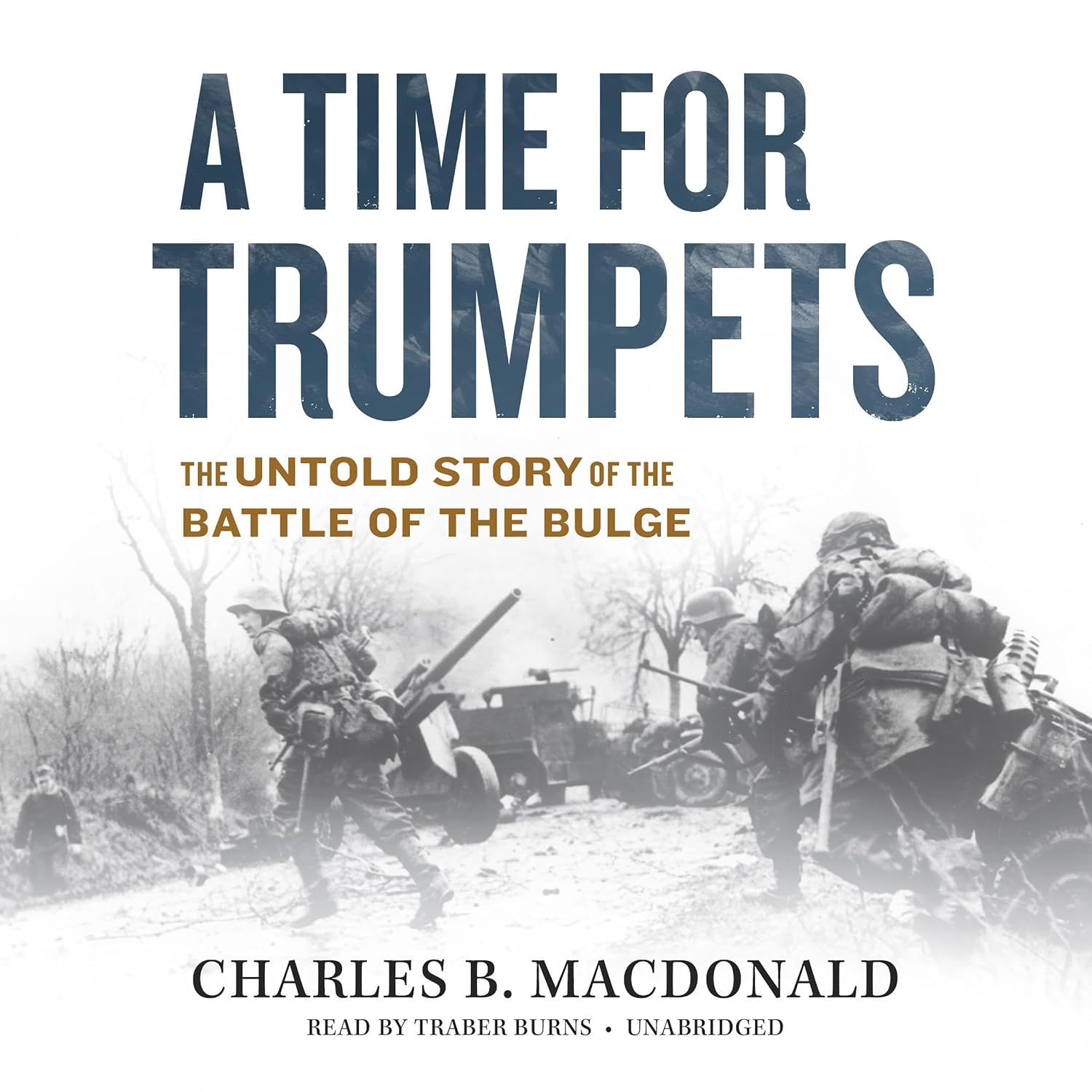
A Time for Trumpets: The Untold Story of the Battle of the Bulge
Ardennes 1944: The Battle of the Bulge
Snow and Steel: The Battle of the Bulge 1944-45

The Longest Winter: The Battle of the Bulge and the Epic Story of World War II's Most Decorated Platoon
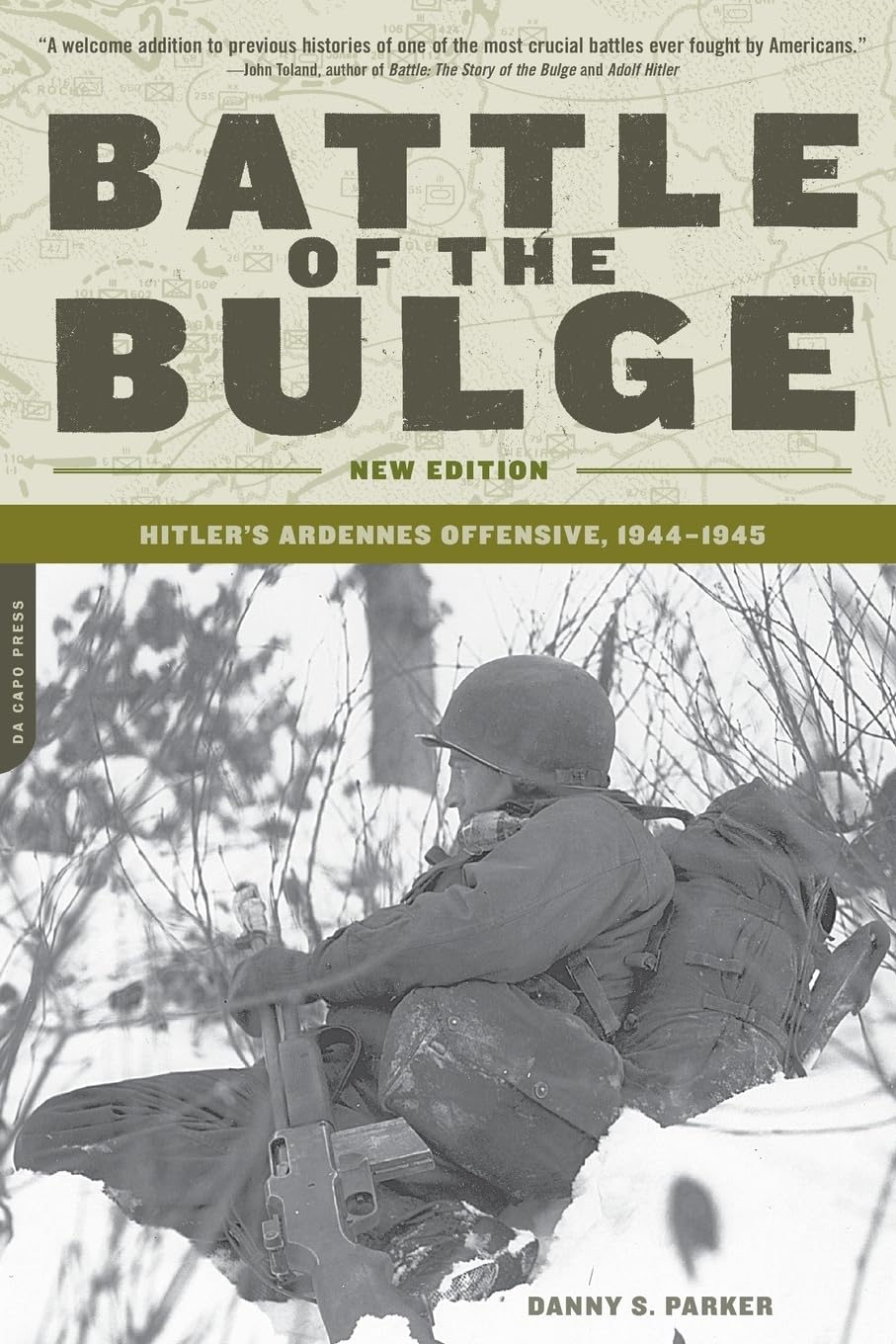
The Battle of the Bulge: Hitler's Ardennes Offensive, 1944-1945
Impact & Consequences of the Battle of the Bulge
The Battle of the Bulge had profound consequences for both the Allied and Axis powers. For the Allies, the victory solidified their momentum in Western Europe, paving the way for the final push into Germany. The battle demonstrated the resilience and adaptability of Allied forces, who managed to regroup and counterattack despite the initial surprise. It also underscored the importance of logistics and supply lines, as the Allies' ability to reinforce their positions quickly proved decisive.
For Germany, the Battle of the Bulge marked a catastrophic failure. The offensive consumed vast amounts of resources and manpower that Germany could ill afford to lose. The defeat accelerated the collapse of the Nazi war effort, as it left the German military severely weakened and unable to mount further large-scale offensives. The battle also highlighted the growing desperation of the Nazi regime, which gambled everything on a last-ditch attempt to turn the tide of the war.
Historians regard the Battle of the Bulge as a turning point in World War II, not only for its military significance but also for its impact on the morale of both sides. For the Allies, it reinforced their determination to achieve victory, while for Germany, it was a devastating blow that hastened the end of the war.
Perspectives & Controversies
The Battle of the Bulge has been the subject of various interpretations and debates among historians. One major controversy centers on the effectiveness of Allied leadership during the initial stages of the battle. Critics argue that the Allies were caught off guard due to overconfidence and intelligence failures, while others contend that the rapid response and adaptability of Allied commanders ultimately turned the tide.
From the German perspective, the battle is often viewed as a failed gamble that exposed the limitations of Nazi strategy. Some historians argue that the offensive was doomed from the start, given the Allies' overwhelming superiority in resources and manpower. Others suggest that the Germans underestimated the resilience of Allied troops and the logistical challenges of waging war in harsh winter conditions.
Another area of debate is the role of individual units and soldiers in the battle. While some accounts focus on the broader strategic picture, others highlight the bravery and sacrifices of smaller units, such as the platoon featured in Alex Kershaw's "The Longest Winter." These differing perspectives enrich our understanding of the battle, revealing its complexity and the diverse experiences of those who fought in it.
Frequently Asked Questions
What is the best book about the Battle of the Bulge?
"Ardennes 1944: The Battle of the Bulge" by Antony Beevor is widely regarded as one of the best books on the subject for its comprehensive and engaging narrative.
Is the Battle of the Bulge movie based on a true story?
Yes, the 1965 film "Battle of the Bulge" is loosely based on the real events of the battle, though it takes some dramatic liberties for cinematic effect.
What are the best books on the Battle of the Bulge?
Top recommendations include "A Time for Trumpets" by Charles B. MacDonald, "The Ardennes: Battle of the Bulge" by Hugh M. Cole, and "Snow & Steel" by Peter Caddick-Adams.
As an Amazon Associate, we earn from qualifying purchases.