Battle of Waterloo: Best Books & Historical Overview
What Was the Battle of Waterloo?
The Battle of Waterloo, fought on June 18, 1815, near the village of Waterloo in present-day Belgium, marked the final defeat of Napoleon Bonaparte. It pitted the French Emperor against the Seventh Coalition, led by the Duke of Wellington and Prussian Field Marshal Gebhard Leberecht von Blücher. The battle ended Napoleon's rule as Emperor of the French and his Hundred Days return from exile, reshaping the political landscape of Europe.
Waterloo was a decisive confrontation that lasted a single day but had far-reaching consequences. Napoleon's forces were outmaneuvered by the coalition armies, particularly due to the timely arrival of Prussian reinforcements. The battle solidified the Congress of Vienna's efforts to restore stability in post-Napoleonic Europe and established Britain and Prussia as dominant powers. Its legacy endures as a symbol of military strategy, leadership, and the end of an era.
Book Comparison at a Glance
| Book | Readability | Depth | Best For |
|---|---|---|---|
| The Waterloo Companion | Moderate | Encyclopedic | Military history buffs |
| Waterloo: The History... | High | Broad overview | General readers |
| Waterloo: The Aftermath | Moderate | Deep analysis | Academic readers |
| Sharpe's Waterloo | High | Novelized account | Fiction lovers |
| Waterloo by Andrew Roberts | High | Balanced depth | All readers |
Best Books About the Battle of Waterloo
The Battle of Waterloo has inspired countless books, but these five stand out for their unique perspectives and authoritative insights. Whether you're seeking a comprehensive overview, tactical analysis, or a gripping narrative, these titles offer the best coverage of the battle.
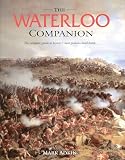
The Waterloo Companion

Waterloo: The History of Four Days, Three Armies and Three Battles
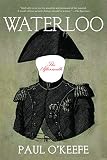
Waterloo: The Aftermath
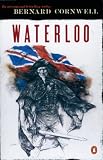
Sharpe's Waterloo
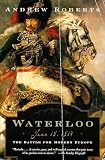
Waterloo
Impact & Consequences of the Battle of Waterloo
The Battle of Waterloo had profound and immediate consequences for Europe. Napoleon's defeat led to his second abdication and exile to Saint Helena, effectively ending the Napoleonic Wars. The Congress of Vienna's decisions were reinforced, restoring monarchies and redrawing borders to maintain a balance of power. Waterloo also marked the rise of Britain as a global superpower and Prussia's ascendancy in German affairs.
In the decades that followed, Waterloo became a symbol of national pride for the victorious coalition and a cautionary tale of overreach for France. The battle's aftermath is well-documented in books like Paul O’Keeffe’s Waterloo: The Aftermath, which explores the human cost and political realignments. For those seeking deeper insights, free PDFs and ordered reading lists are available, though authoritative works like those listed here remain the gold standard.
Key Figures & Perspectives in the Battle of Waterloo
The Battle of Waterloo was shaped by the leadership of two iconic commanders: Napoleon Bonaparte and the Duke of Wellington. Napoleon, despite his brilliance, made critical errors, including delaying the battle to let the ground dry and underestimating Prussian resilience. Wellington, known for his defensive prowess, held the line until Blücher’s arrival turned the tide. Their contrasting styles—Napoleon’s bold aggression versus Wellington’s cautious precision—remain a focal point for historians.
Questions like "Who was a better general?" or "How close was Napoleon to winning?" dominate discussions. Books like Andrew Roberts’ Waterloo and Cornwell’s The History of Four Days provide nuanced answers, highlighting Napoleon’s tactical ingenuity but also his logistical failures. Meanwhile, Wellington’s famous quote, "Nothing except a battle lost can be half so melancholy as a battle won," underscores the battle’s grim reality. For those exploring these figures further, biographies and Napoleonic War histories offer rich material.
Waterloo Campaign Strategy & Tactics
Military historians often dissect Waterloo for its strategic and tactical lessons. Napoleon’s plan to divide and conquer the coalition armies nearly succeeded, but delays in execution and the Prussians’ unexpected resilience proved fatal. Wellington’s use of reverse-slope defenses and his reliance on allied troops showcased his adaptability. The battle also highlighted the importance of cavalry, artillery coordination, and morale.
Debates persist over "Could the British have won without the Prussians?" and the exact death toll (estimates range from 20,000 to 50,000). Books like The Waterloo Companion delve into these questions with maps and unit analyses, while Cornwell’s works dramatize the chaos of combat. For tactical enthusiasts, Napoleon’s earlier campaigns provide context, but Waterloo remains a masterclass in the interplay of leadership, terrain, and timing.
Eyewitness Accounts & Memoirs of Waterloo
Waterloo is unusually well-documented by firsthand accounts, from soldiers’ letters to officers’ memoirs. These records reveal the battle’s brutality—corpses littered the field for days, and diseases like dysentery ravaged survivors. Napoleon’s own health struggles (possibly hemorrhoids) reportedly affected his performance. Memoirs from Wellington’s aides and French veterans offer conflicting perspectives, fueling debates like "Who really won?"
For readers seeking these voices, Waterloo: The Aftermath compiles many accounts, while novels like Sharpe’s Waterloo weave them into fiction. The battle’s immediacy in these texts—whether describing the charge of the Old Guard or the desperation of retreat—makes it a perennial subject for historians and novelists alike.
Frequently Asked Questions
What is the best book about the Napoleonic Wars?
"The Campaigns of Napoleon" by David G. Chandler is widely regarded as the best book about the Napoleonic Wars.
What is considered the best book about Napoleon?
"Napoleon: A Life" by Andrew Roberts is considered one of the most comprehensive and acclaimed biographies of Napoleon.
How close was Napoleon to winning Waterloo?
Napoleon came close to winning Waterloo, but his chances were significantly diminished by delays, miscommunication, and the arrival of Prussian reinforcements.
How many soldiers died at Waterloo?
Approximately 47,000 soldiers were killed or wounded at the Battle of Waterloo, including French, British, and Prussian forces.
What did Napoleon suffer from at Waterloo?
Napoleon suffered from severe hemorrhoids at Waterloo, which reportedly affected his ability to command effectively during the battle.
Could Napoleon have won at Waterloo?
Napoleon could have potentially won Waterloo if he had acted more decisively, avoided delays, and prevented the Prussian army from reinforcing the Allied forces.
As an Amazon Associate, we earn from qualifying purchases.