Black Death: Best Books & Historical Overview
What Was the Black Death?
The Black Death was a catastrophic pandemic that swept through Europe, Asia, and North Africa from 1347 to 1351, killing an estimated 75-200 million people—roughly 30-60% of Europe's population. Caused by the bacterium Yersinia pestis, it spread via fleas on black rats and through human contact, manifesting in three forms: bubonic (swollen lymph nodes), septicemic (blood infection), and pneumonic (lung infection). The plague originated in Central Asia and reached Europe via trade routes like the Silk Road, devastating cities and rural areas alike.
This pandemic reshaped medieval society, accelerating economic, religious, and cultural shifts. Labor shortages led to the decline of feudalism, while widespread death fueled religious fervor and persecution, including scapegoating of Jewish communities. The Black Death remains a landmark event in history, illustrating the fragility of human systems in the face of biological disaster and the long-term societal transformations such crises can trigger.
Book Comparison at a Glance
| Book | Readability | Depth | Best For |
|---|---|---|---|
| The Great Mortality | High | Comprehensive | General readers |
| The Black Death | Moderate | Broad overview | Beginners |
| A Distant Mirror | High | Broad contextual | History buffs |
| Year of Wonders | High | Emotional focus | Fiction lovers |
| The Black Death: A Personal History | Moderate | Microhistorical | Detail seekers |
Best Books About the Black Death
For those seeking to understand the Black Death, these five books offer a range of perspectives, from sweeping historical narratives to intimate fictional accounts.
Top Nonfiction Books
![[PLACEHOLDER IMAGE — not the real book cover]](/images/cover-wilson-the-odyssey.jpg)
The Great Mortality: An Intimate History of the Black Death, the Most Devastating Plague of All Time
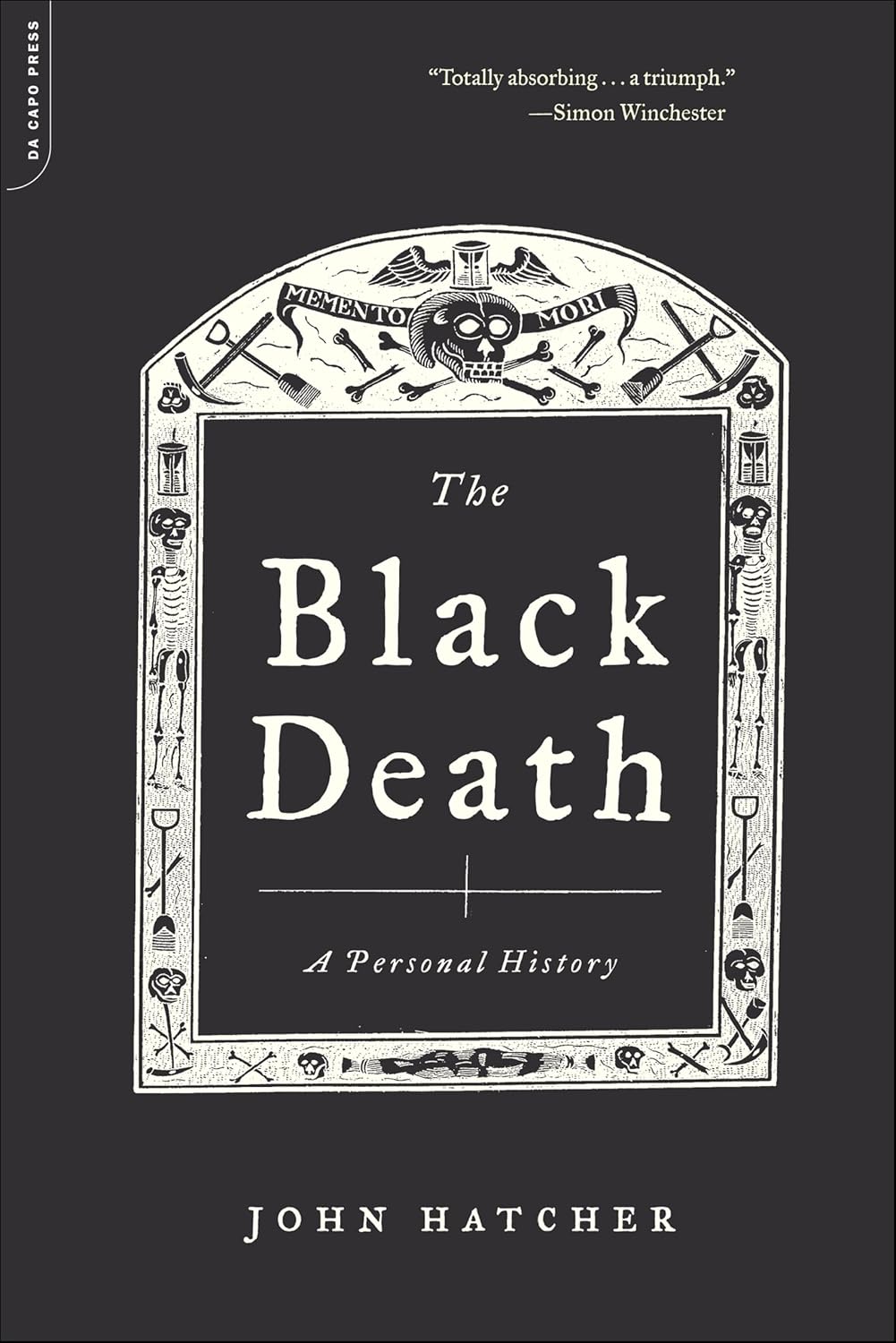
The Black Death: A Personal History
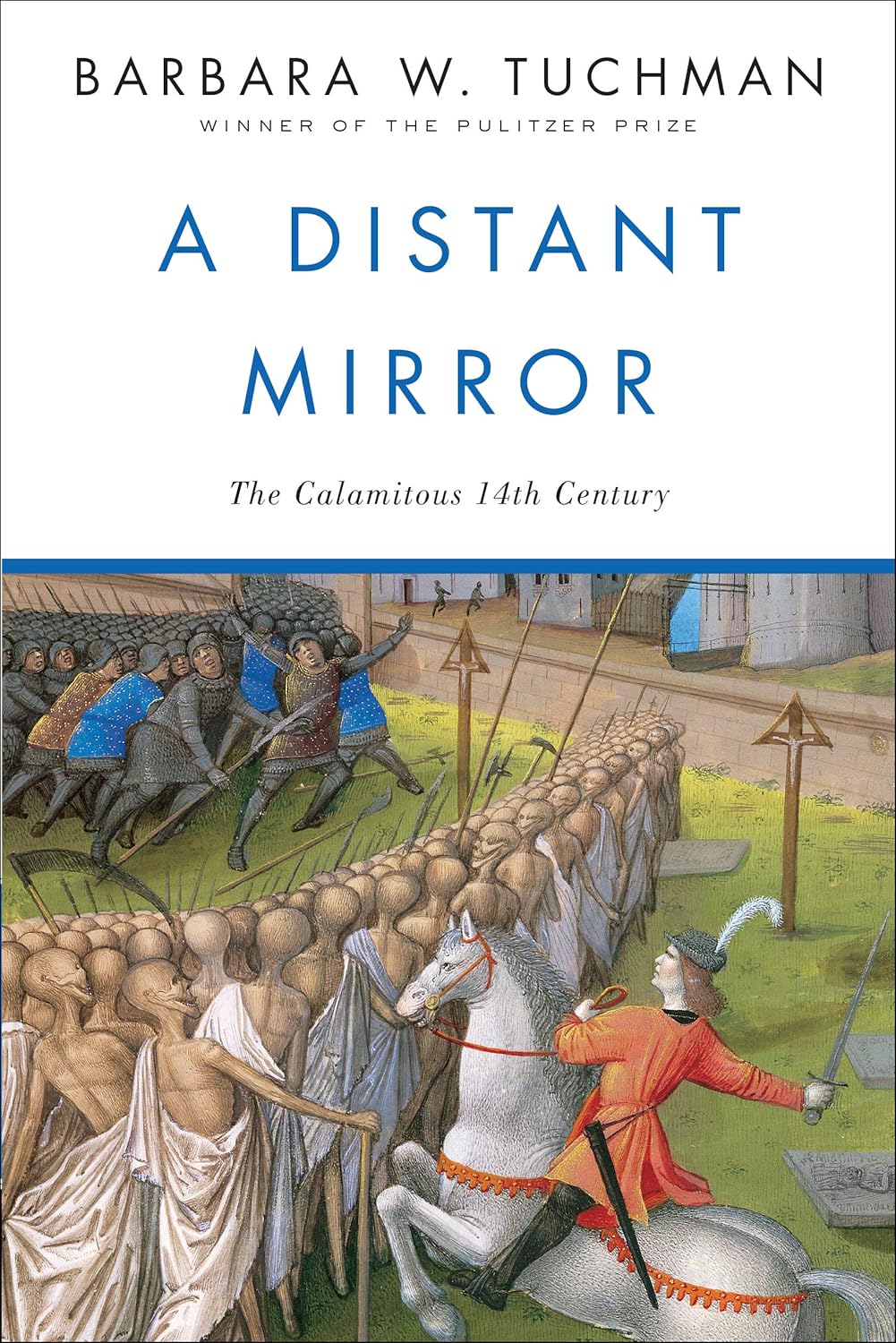
A Distant Mirror: The Calamitous 14th Century
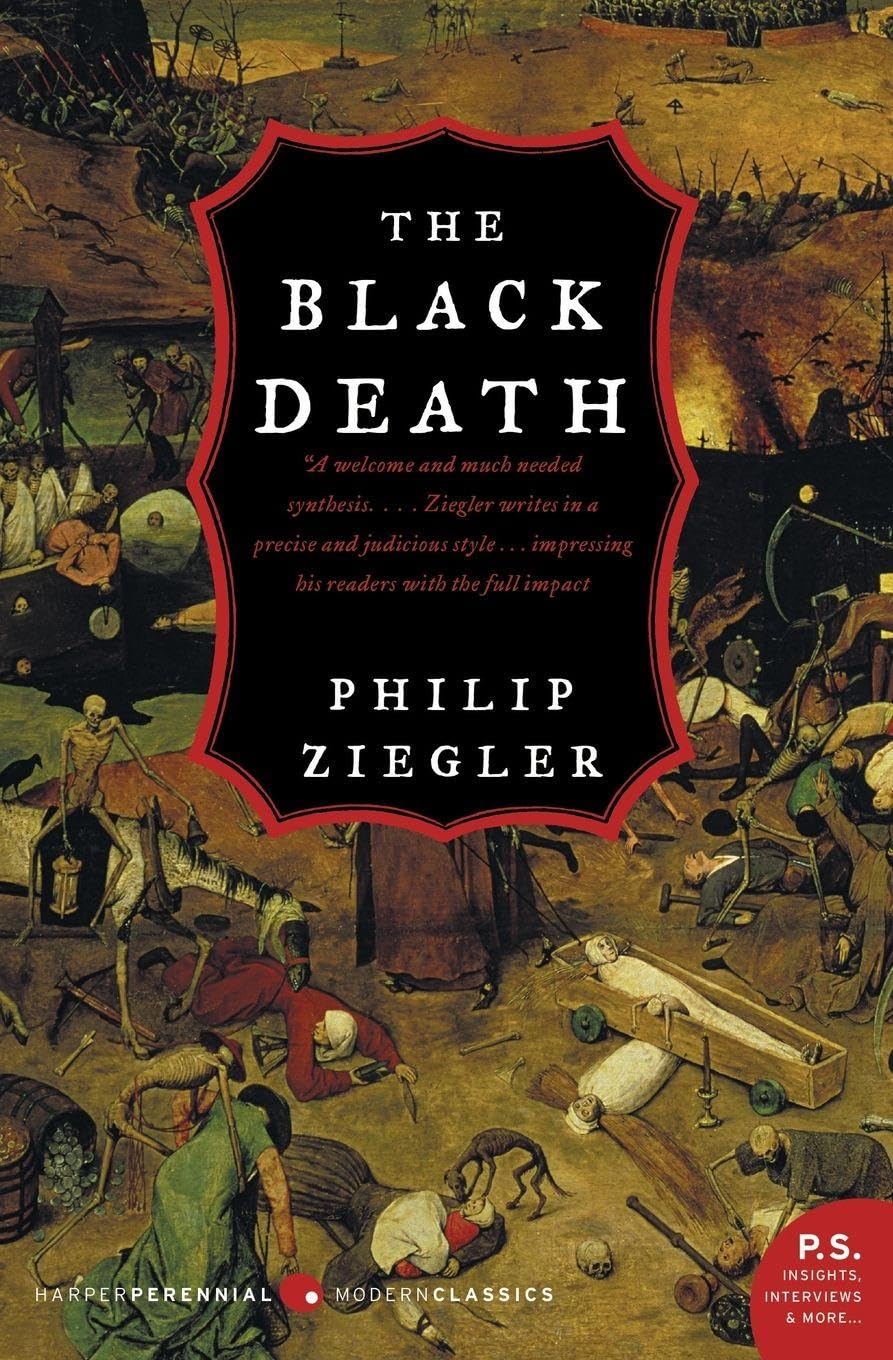
The Black Death
Best Historical Fiction & Novels
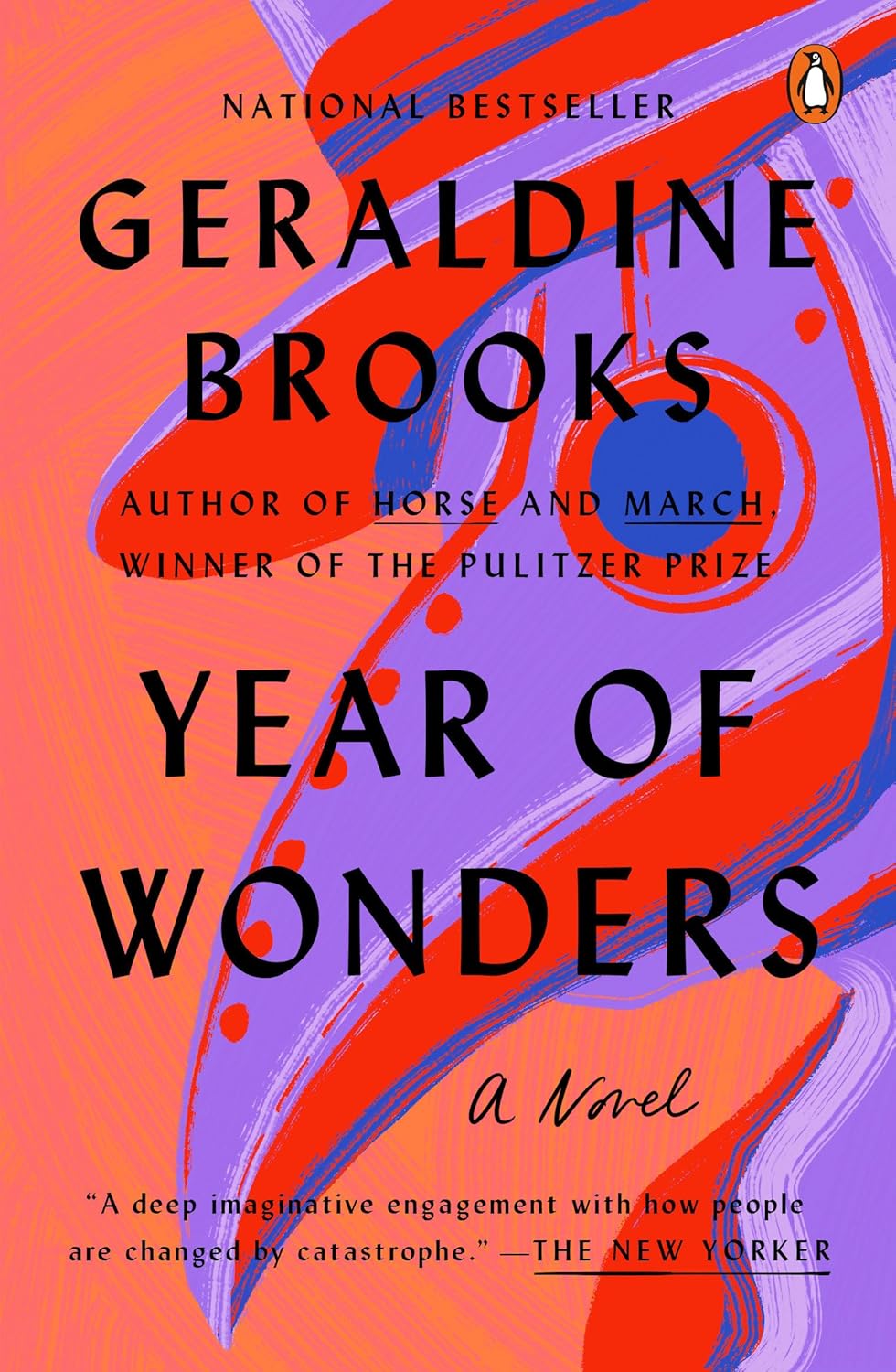
Year of Wonders: A Novel of the Plague
Impact & Consequences of the Black Death
The Black Death's immediate toll was staggering, but its long-term effects were equally transformative. Economically, the drastic reduction in population led to labor shortages, which empowered peasants to demand higher wages and better conditions, hastening the decline of feudalism. Socially, the trauma of mass death fueled religious movements, art (like the danse macabre motif), and scapegoating, particularly against Jewish communities accused of poisoning wells.
Culturally, the plague eroded blind faith in institutions, including the Church, which struggled to explain the disaster. Scientific and medical practices began to shift, though effective treatments remained elusive for centuries. The pandemic also influenced trade and urbanization, as survivors migrated to cities, reshaping Europe's demographic and political landscape. Its legacy endures as a case study in resilience and adaptation amid catastrophe.
Frequently Asked Questions
How did the Black Death start?
The plague likely originated in Central Asia, spreading via fleas on rodents along trade routes like the Silk Road before reaching Europe in 1347 through Sicilian ports.
What percentage of Europe died from the Black Death?
Estimates suggest 30-60% of Europe's population perished, with some regions losing up to 80% of their inhabitants.
How did the Black Death end?
The pandemic subsided by 1351 due to a combination of improved sanitation, quarantine measures, and the death of susceptible hosts, though smaller outbreaks recurred for centuries.
Was the Black Death only in Europe?
No, it affected Asia, North Africa, and the Middle East, though Europe's dense urban centers and trade networks made it particularly vulnerable.
As an Amazon Associate, we earn from qualifying purchases.