Boston Tea Party: Best Books & Historical Overview
What Was the Boston Tea Party?
The Boston Tea Party was a political protest that occurred on December 16, 1773, in Boston, Massachusetts. American colonists, frustrated and angry at Britain for imposing "taxation without representation," dumped 342 chests of British East India Company tea into the harbor. The event was a defiant act against the Tea Act of 1773, which granted the British company a monopoly on tea sales in the colonies and bypassed colonial merchants.
This protest escalated tensions between Britain and the American colonies, becoming a pivotal moment in the lead-up to the American Revolution. It demonstrated the colonists' willingness to resist British authority and united them against perceived oppression. The British response—passing the Coercive (Intolerable) Acts—further galvanized colonial resistance, leading to the First Continental Congress and, eventually, the Revolutionary War.
Book Comparison at a Glance
| Book | Readability | Depth | Best For |
|---|---|---|---|
| What Was the Boston Tea Party? | High | Introductory | Young readers, beginners |
| Defiance of the Patriots | Moderate | Balanced overview | General history enthusiasts |
| The Shoemaker and the Tea Party | Moderate | Memory & historiography focus | Students interested in historical memory |
| Johnny Tremain | High | Narrative-driven | Middle-grade readers, historical fiction fans |
| American Tempest | Moderate | Comprehensive narrative | Readers seeking a thorough account |
Best Books About the Boston Tea Party
For those looking to explore the Boston Tea Party in depth, these books offer a range of perspectives, from scholarly analyses to engaging historical fiction. Below are the top recommendations, divided into nonfiction and fiction works.
Top Nonfiction Books
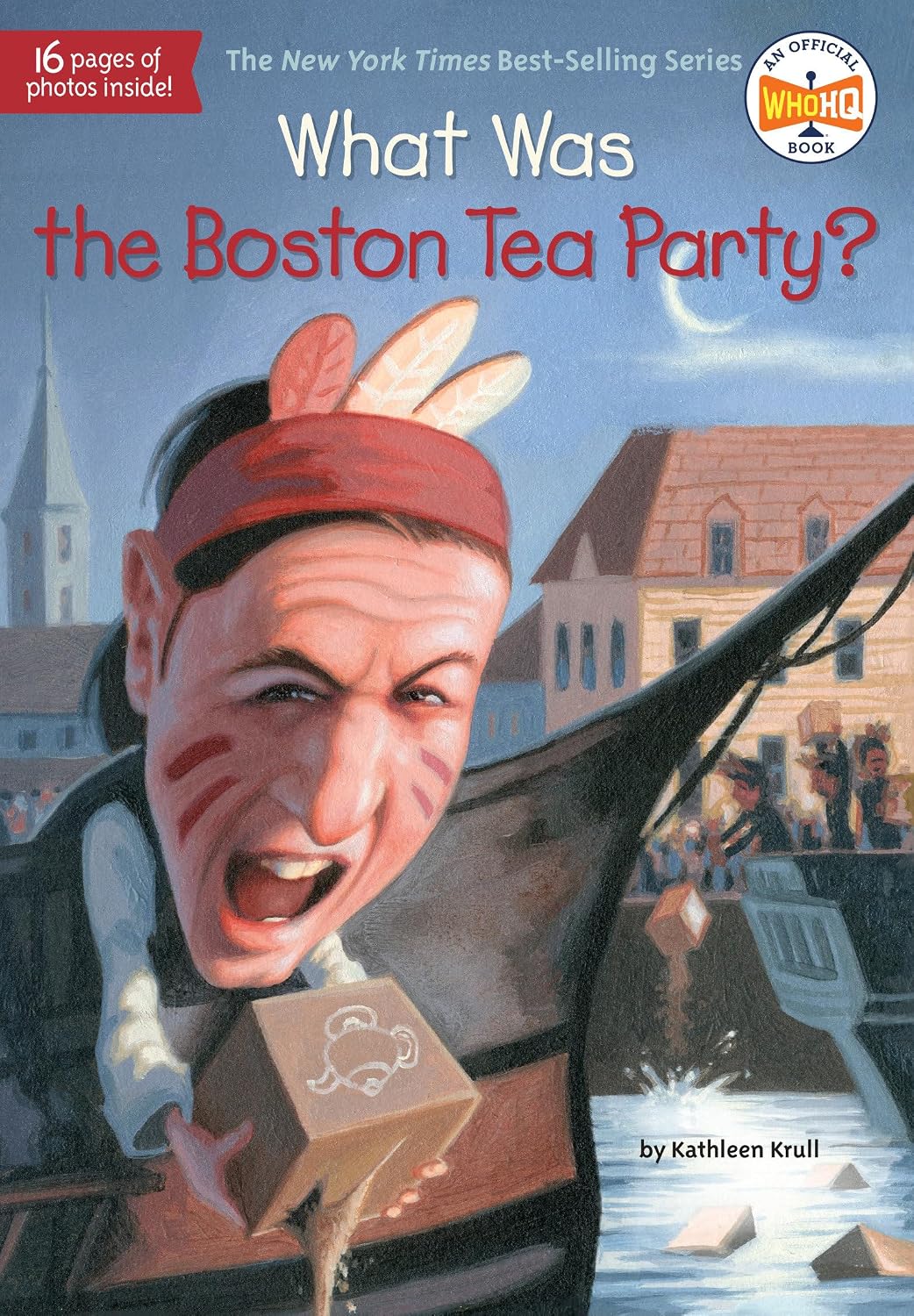
What Was the Boston Tea Party?
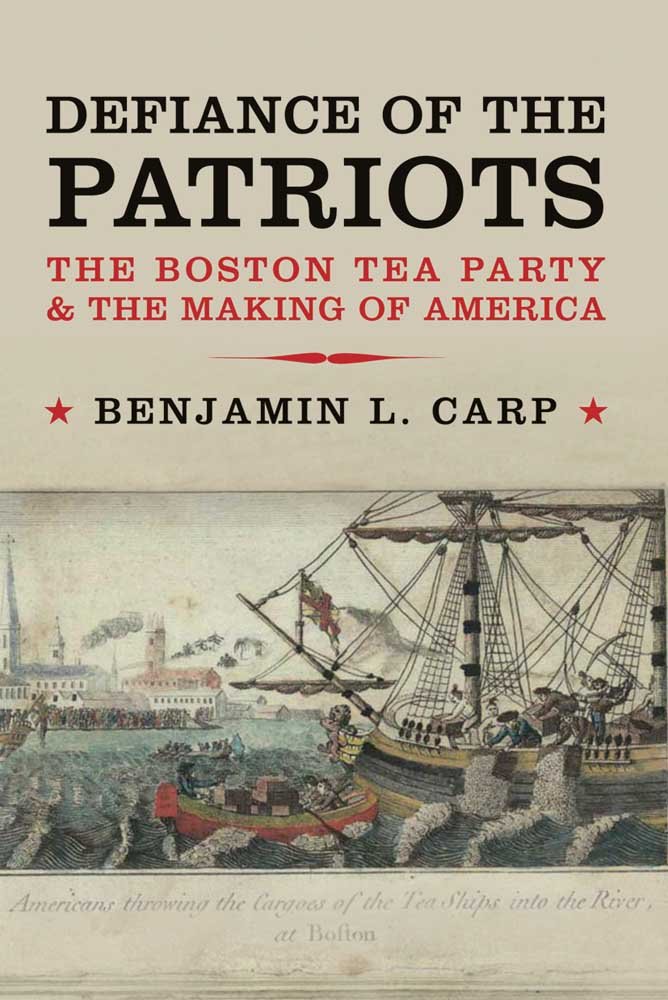
Defiance of the Patriots: The Boston Tea Party and the Making of America
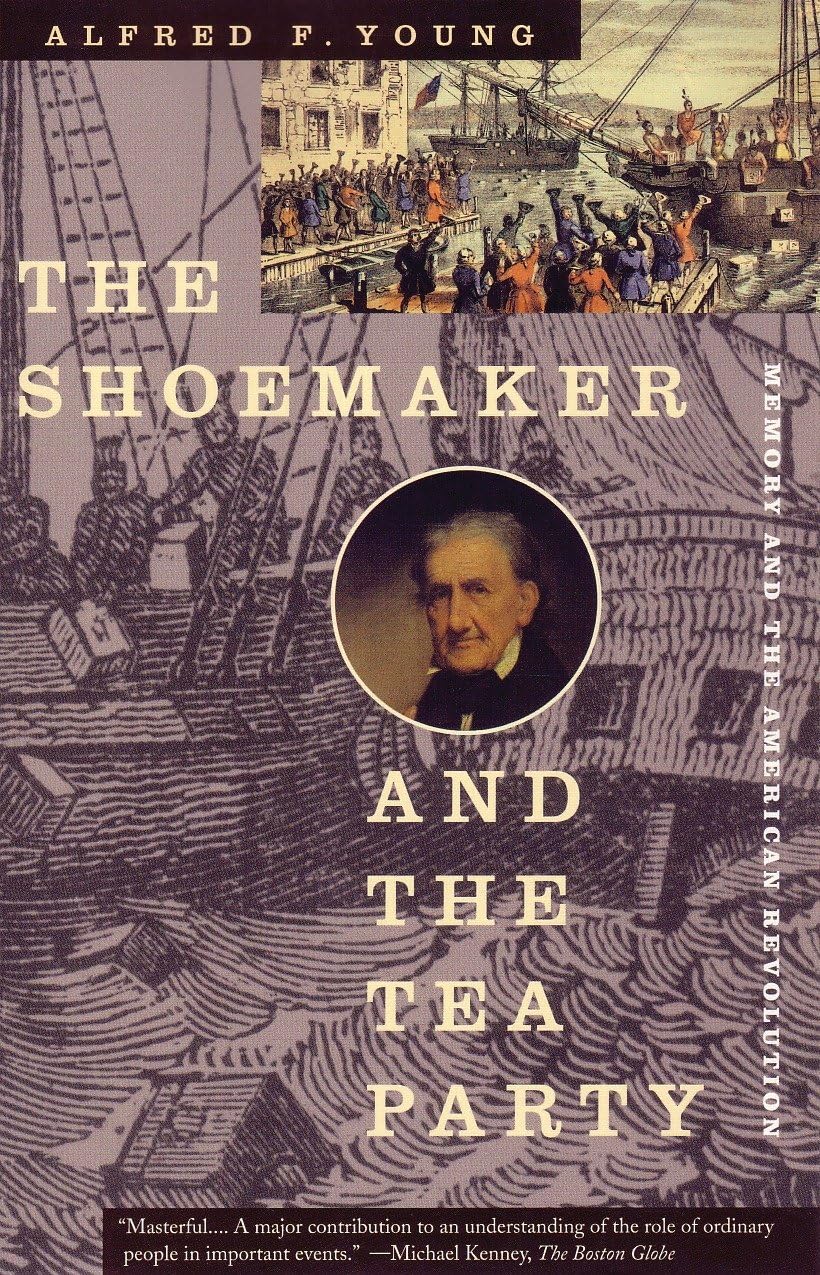
The Shoemaker and the Tea Party: Memory and the American Revolution
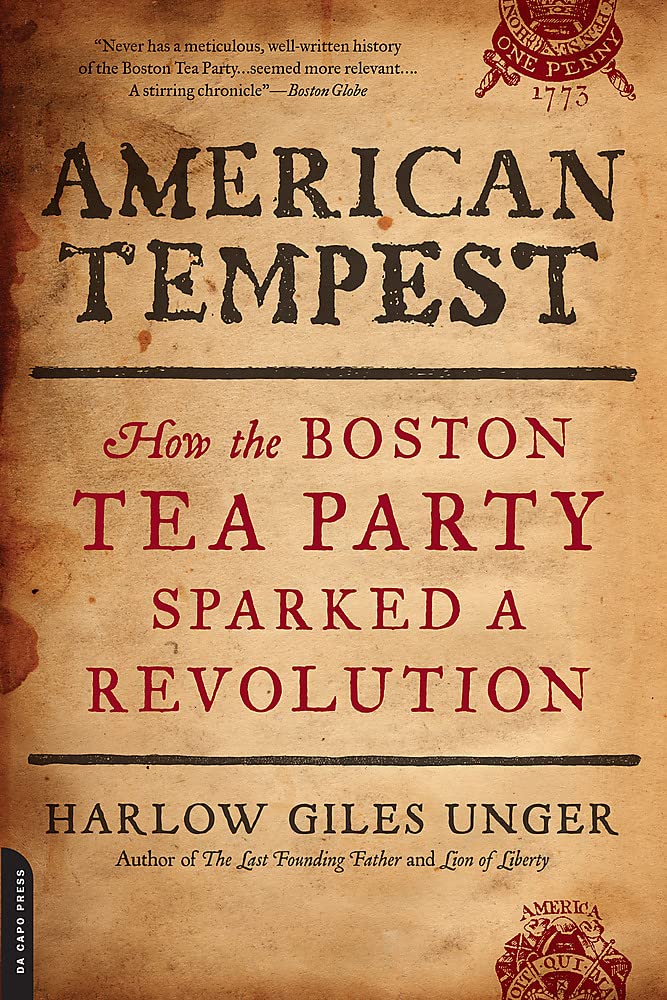
American Tempest: How the Boston Tea Party Sparked a Revolution
Best Historical Fiction & Novels
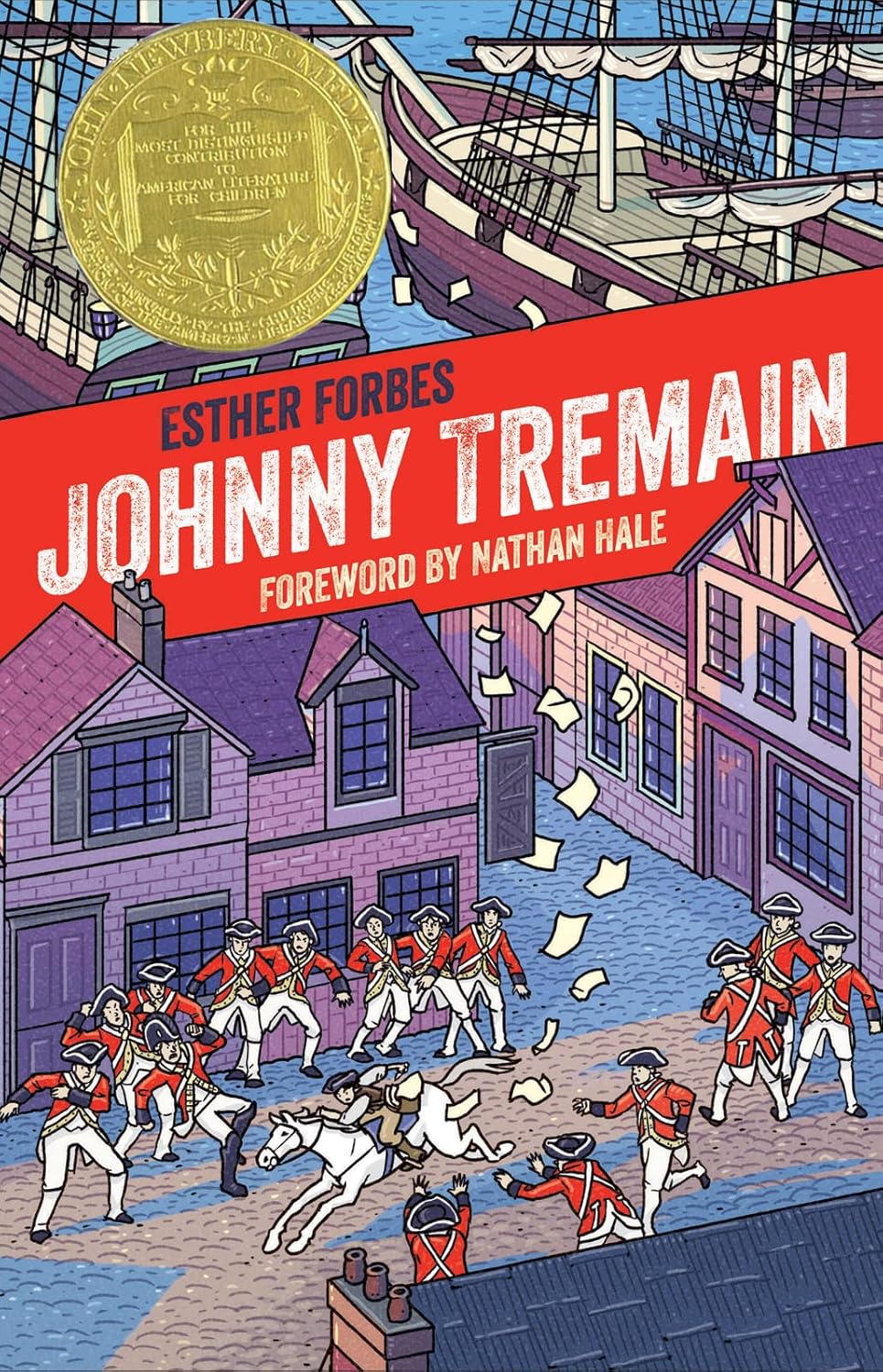
Johnny Tremain
Impact & Consequences of the Boston Tea Party
The Boston Tea Party had far-reaching consequences that accelerated the path to the American Revolution. The British government responded with the Coercive Acts (1774), which closed Boston Harbor, revoked Massachusetts' self-governance, and quartered British troops in private homes. These punitive measures outraged colonists and pushed previously neutral figures toward rebellion.
The event also unified the colonies against British rule, leading to the formation of the First Continental Congress in 1774. For those seeking books on the Tea Party's impact, titles like Defiance of the Patriots (available on Amazon and free library platforms) delve into how this protest shaped revolutionary sentiment and policy.
Perspectives & Controversies
Historians debate the Tea Party's significance—was it a principled stand against tyranny or a violent overreaction? Some scholars argue it was a calculated protest by elites, while others emphasize grassroots involvement. Loyalist perspectives, often overlooked, viewed it as lawless destruction.
Modern interpretations, like those in The Shoemaker and the Tea Party, examine how the event was later romanticized. Questions also persist about the role of class and race, with some noting that the protest excluded marginalized voices despite its revolutionary rhetoric.
Frequently Asked Questions
What is the book about the Boston Tea Party?
"The Boston Tea Party" by Russell Freedman is a well-regarded nonfiction book that provides a detailed account of the 1773 protest, its causes, and its impact on the American Revolution.
What was the Boston Tea Party book?
A popular book on the topic is "The Boston Tea Party" by Pamela Duncan Edwards, which offers an engaging narrative and illustrations for younger readers about the historic event.
What was the Boston Tea Party book by Kathleen Krull?
Kathleen Krull's "What Was the Boston Tea Party?" is part of the "What Was?" series, offering a concise and accessible overview of the event for middle-grade readers.
What was the Boston Tea Party reading level?
Most books about the Boston Tea Party, like Kathleen Krull's, are written at a 4th-6th grade reading level, making them suitable for upper elementary and middle school students.
As an Amazon Associate, we earn from qualifying purchases.