Boxer Rebellion: Best Books & Historical Overview
What Was the Boxer Rebellion?
The Boxer Rebellion (1899–1901) was a violent anti-foreign and anti-Christian uprising in China led by the "Boxers," a secret society known as the Yihequan ("Righteous and Harmonious Fists"). The movement sought to expel foreign influence, particularly from Western powers and Japan, which had gained economic and territorial control through unequal treaties. The rebellion culminated in the siege of foreign legations in Beijing and was eventually crushed by an eight-nation alliance of foreign troops, including forces from Britain, the U.S., Germany, and Japan.
The conflict arose from widespread frustration over foreign imperialism, economic hardship, and natural disasters, which many Chinese blamed on the presence of outsiders. The Boxers targeted missionaries, Chinese Christians, and foreign businesses, leading to massacres and destruction. The rebellion's defeat forced China to sign the Boxer Protocol in 1901, imposing heavy reparations and further weakening the Qing Dynasty. This event marked a turning point in China's modern history, fueling nationalist movements and eventual revolutionary change.
Book Comparison at a Glance
| Book | Readability | Depth | Best For |
|---|---|---|---|
| The Origins of the Boxer Uprising | Moderate | Rigorous academic study | Historians/researchers |
| The Boxer Rebellion and the Great Game in China | High | Balanced analysis | General history readers |
| History in Three Keys | Moderate | Multilayered interpretation | Advanced students |
| 55 Days at Peking | High | Narrative-driven | Casual readers |
| Boxers | High | Graphic novel format | Younger audiences |
Best Books About the Boxer Rebellion
The Boxer Rebellion has been explored through rigorous academic works, gripping narratives, and even graphic novels. Below are the definitive books on the subject, each offering unique insights into this pivotal event in Chinese history.
Top Nonfiction Books
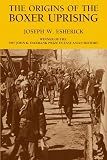
The Origins of the Boxer Uprising
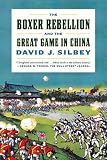
The Boxer Rebellion and the Great Game in China
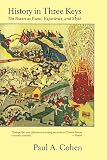
History in Three Keys: The Boxers as Event, Experience, and Myth
Best Historical Fiction & Novels
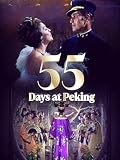
55 Days at Peking
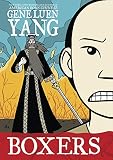
Boxers
Impact & Consequences of the Boxer Rebellion
The Boxer Rebellion had profound consequences for China and its relations with the world. The defeat forced the Qing Dynasty to accept the Boxer Protocol, which imposed massive reparations, allowed foreign troops to be stationed in China, and further eroded Chinese sovereignty. This humiliation accelerated the decline of the Qing Dynasty and fueled nationalist and anti-imperialist sentiments, paving the way for the 1911 Revolution.
Internationally, the rebellion reinforced Western perceptions of China as a weak and chaotic nation, justifying further intervention. However, it also exposed the risks of unchecked imperialism, leading some powers to adopt more cautious policies in Asia. The event remains a touchstone in Chinese history, symbolizing both resistance to foreign domination and the costs of isolationism.
Chinese & Western Perspectives on the Boxer Rebellion
The Boxer Rebellion is viewed starkly differently in China and the West. In China, it is often remembered as a patriotic, though flawed, uprising against foreign oppression. Modern Chinese historiography emphasizes the Boxers' anti-imperialist stance, while acknowledging their superstitions and violence. The term "Yihetuan Movement" is used, reflecting its nationalist framing.
Western accounts, by contrast, traditionally portrayed the Boxers as fanatical rebels and celebrated the international coalition's rescue of besieged diplomats. This narrative has been critiqued for ignoring the broader context of Western imperialism in China. Recent scholarship, however, has sought to bridge these perspectives, acknowledging both the Boxers' grievances and the complexity of foreign involvement.
Frequently Asked Questions
Is 55 Days at Peking a true story?
Yes, 55 Days at Peking is based on true events during the Boxer Rebellion, though it takes some dramatic liberties for cinematic effect.
What novels are about the Boxer Rebellion?
Notable novels include The Boxer Rebellion by Diana Preston and The Dragon’s Village by Yuan-Tsung Chen, which offer fictionalized accounts of the conflict.
Is 55 Days in Peking a true story?
Yes, 55 Days in Peking (also known as 55 Days at Peking) is loosely based on the real siege of foreign legations during the Boxer Rebellion.
What is the book about the Boxer Rebellion?
The Boxer Rebellion and the Great Game in China by David J. Silbey is a comprehensive nonfiction account of the conflict and its geopolitical context.
Did the Boxers think they were immune to bullets?
Some Boxers believed spiritual rituals made them invulnerable to bullets, a belief that contributed to their fierce but ultimately futile resistance.
Are there any movies about the Boxer Rebellion?
Yes, besides 55 Days at Peking, films like The Boxer Rebellion (1982) and The Burning of the Imperial Palace (1983) depict events from the uprising.
As an Amazon Associate, we earn from qualifying purchases.