California Gold Rush: Best Books & Historical Overview
What Was the California Gold Rush?
The California Gold Rush (1848–1855) was a mass migration triggered by the discovery of gold at Sutter’s Mill in 1848. Over 300,000 prospectors, known as "Forty-Niners," flooded California, transforming the region from a sparsely populated territory into a global destination. The rush accelerated California’s statehood (1850) and reshaped the U.S. economy, though few miners struck lasting wealth.
The event was a cultural and environmental turning point. It displaced Native American communities, spurred infrastructure like the Transcontinental Railroad, and introduced hydraulic mining, which caused ecological damage. The Gold Rush also drew diverse immigrants, including Chinese laborers and Latin American miners, whose stories highlight both opportunity and systemic discrimination.
---
Book Comparison at a Glance
| Book | Readability | Depth | Best For |
|---|---|---|---|
| *The Age of Gold* | Moderate | Comprehensive history | Readers seeking broad context |
| *By the Great Horn Spoon!* | High | Light adventure | Middle-grade or casual readers |
| *How Much of These Hills Is Gold* | Moderate | Literary depth | Fans of reimagined history |
| *Gold Rush Girl* | High | Focused narrative | YA audiences & educators |
Best Books About California Gold Rush
Explore the Gold Rush through these essential reads, blending rigorous history with vivid storytelling. Each offers a unique lens on the era.
Top Nonfiction Books
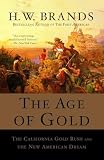
The Age of Gold: The California Gold Rush and the New American Dream
Best Historical Fiction & Novels
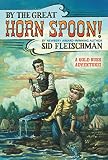
By the Great Horn Spoon!
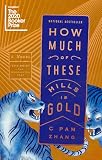
How Much of These Hills Is Gold
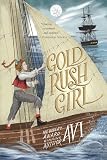
Gold Rush Girl
Impact & Consequences of California Gold Rush
The Gold Rush’s economic boom came at steep costs. While it fueled industrialization and global trade, it also destabilized California’s ecosystems through mercury-laden mining practices. Native populations, already decimated by disease, faced violent displacement—a legacy explored in modern environmental and Indigenous rights studies.
Culturally, the rush diversified California but entrenched racial hierarchies. Anti-immigrant laws like the Foreign Miners’ License Tax (1850/1852) targeted Chinese and Mexican prospectors. Yet, the era’s chaos birthed innovations, from Levi’s jeans to San Francisco’s financial hubs. For deeper dives, readers seek books on its economic ripple effects and environmental toll.
---
Women & Underrepresented Groups in the California Gold Rush
Women like entrepreneur Luzena Stanley Wilson thrived by running boardinghouses, while others faced exploitation in mining camps. Chinese immigrants, often relegated to low-wage labor, built vital infrastructure but endured the Foreign Miners’ License Tax. Their stories, once sidelined, now anchor books like How Much of These Hills Is Gold, which re-centers Asian-American experiences.
Queries about "famous female miners" reveal curiosity about figures like Eleanor Dumont, a cardsharp turned businesswoman. Meanwhile, searches for Chinese immigrant roles reflect demand for narratives beyond the white prospector stereotype—gaps these four books collectively address.
---
Primary Sources & Firsthand Accounts
Diaries like William Swain’s The World Rushed In offer unfiltered glimpses of miners’ hopes and hardships. Letters from Chinese workers, often translated posthumously, document systemic racism. While no primary sources appear in our book list, their influence is clear: The Age of Gold cites newspapers and journals, and Gold Rush Girl mirrors period diaries’ intimate tone.
Researchers often seek pioneer diaries or ship logs, but even novels like By the Great Horn Spoon! incorporate real slang and settings, bridging the gap between education and entertainment.
---
Frequently Asked Questions
What is the best book about the gold rush?
"The Age of Gold: The California Gold Rush and the New American Dream" by H.W. Brands is widely regarded as one of the best comprehensive books about the California Gold Rush.
What is the best book about the Gold Rush?
For a gripping firsthand account, "The Shirley Letters from the California Mines, 1851-1852" by Louise Amelia Knapp Smith Clappe offers a vivid portrayal of life during the Gold Rush.
Did Jack London find gold?
No, Jack London did not find gold during his time in the Klondike Gold Rush, but his experiences inspired many of his famous works, such as "The Call of the Wild."
What is the documentary on the California Gold Rush?
"The Gold Rush" by PBS's American Experience is a highly acclaimed documentary that explores the history and impact of the California Gold Rush.
As an Amazon Associate, we earn from qualifying purchases.