Cuban Missile Crisis: Best Books & Historical Overview
Thirteen days that brought the world closer to nuclear war than any before or since
What Was the Cuban Missile Crisis?
The Cuban Missile Crisis was a 13-day confrontation in October 1962 between the United States and the Soviet Union over the deployment of Soviet nuclear missiles in Cuba. Triggered by the discovery of missile sites under construction by U.S. intelligence, the crisis brought the world to the brink of nuclear war. President John F. Kennedy demanded the removal of the missiles, imposing a naval blockade around Cuba, while Soviet Premier Nikita Khrushchev initially refused. Behind-the-scenes negotiations eventually led to a deal: the Soviets withdrew their missiles in exchange for a U.S. pledge not to invade Cuba and a secret agreement to remove American missiles from Turkey.
This crisis remains one of the most defining moments of the Cold War, highlighting the dangers of nuclear brinkmanship and the importance of diplomacy. It reshaped U.S.-Soviet relations, leading to the establishment of direct communication lines (like the "Hotline") and arms control treaties. The event is frequently studied as a case study in crisis management and political decision-making.
Book Comparison at a Glance
| Book | Readability | Depth | Best For |
|---|---|---|---|
| Thirteen Days | High | Personal insight | Readers wanting firsthand accounts |
| Nuclear Folly | Moderate | Balanced overview | General history enthusiasts |
| Abyss | Moderate | Comprehensive | Those seeking full context |
| Essence of Decision | Low | Analytical framework | Political science students |
| One Minute to Midnight | High | Minute-by-minute | Detail-oriented readers |
Best Books About the Cuban Missile Crisis
The Cuban Missile Crisis has been analyzed from countless angles, from memoirs to academic studies. Below are five standout books that offer unique perspectives on the event, catering to different reader preferences.
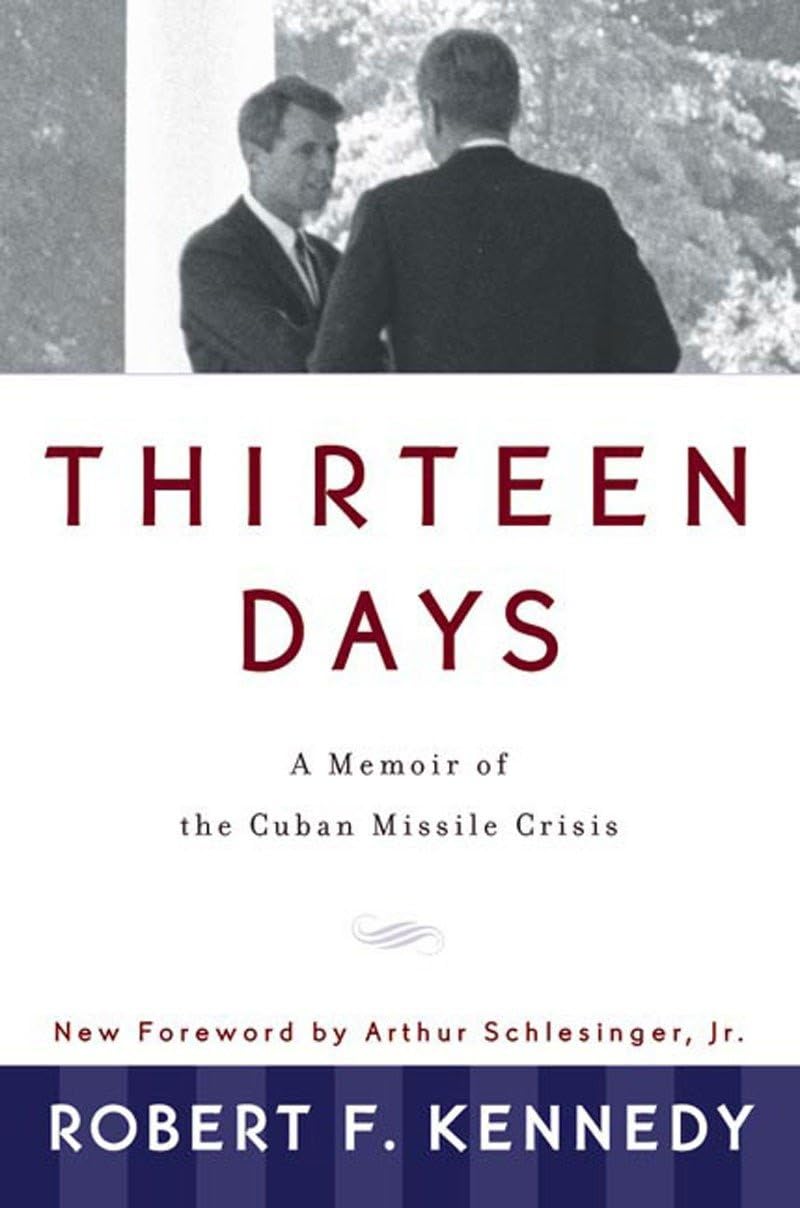
Thirteen Days: A Memoir of the Cuban Missile Crisis
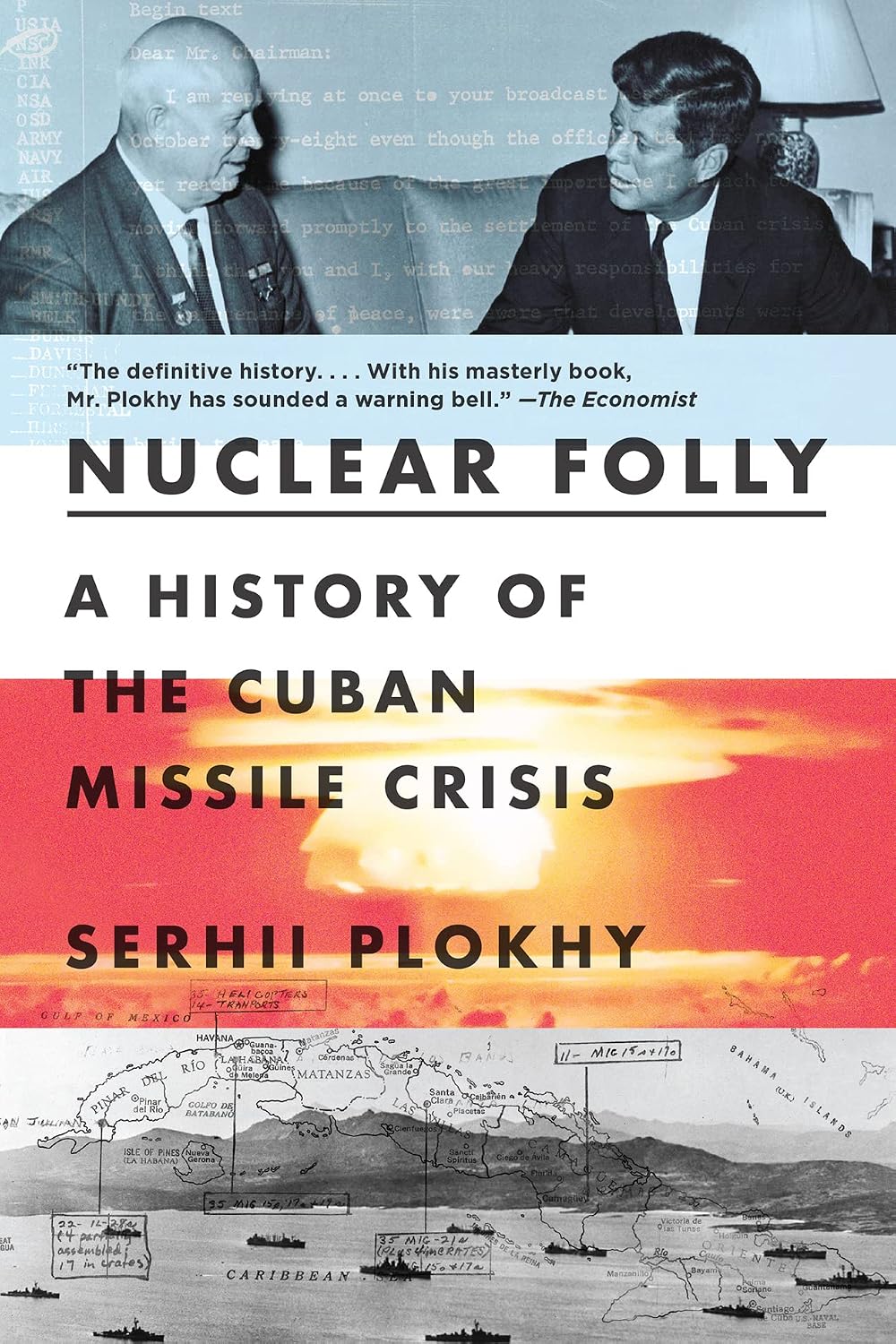
Nuclear Folly: A History of the Cuban Missile Crisis
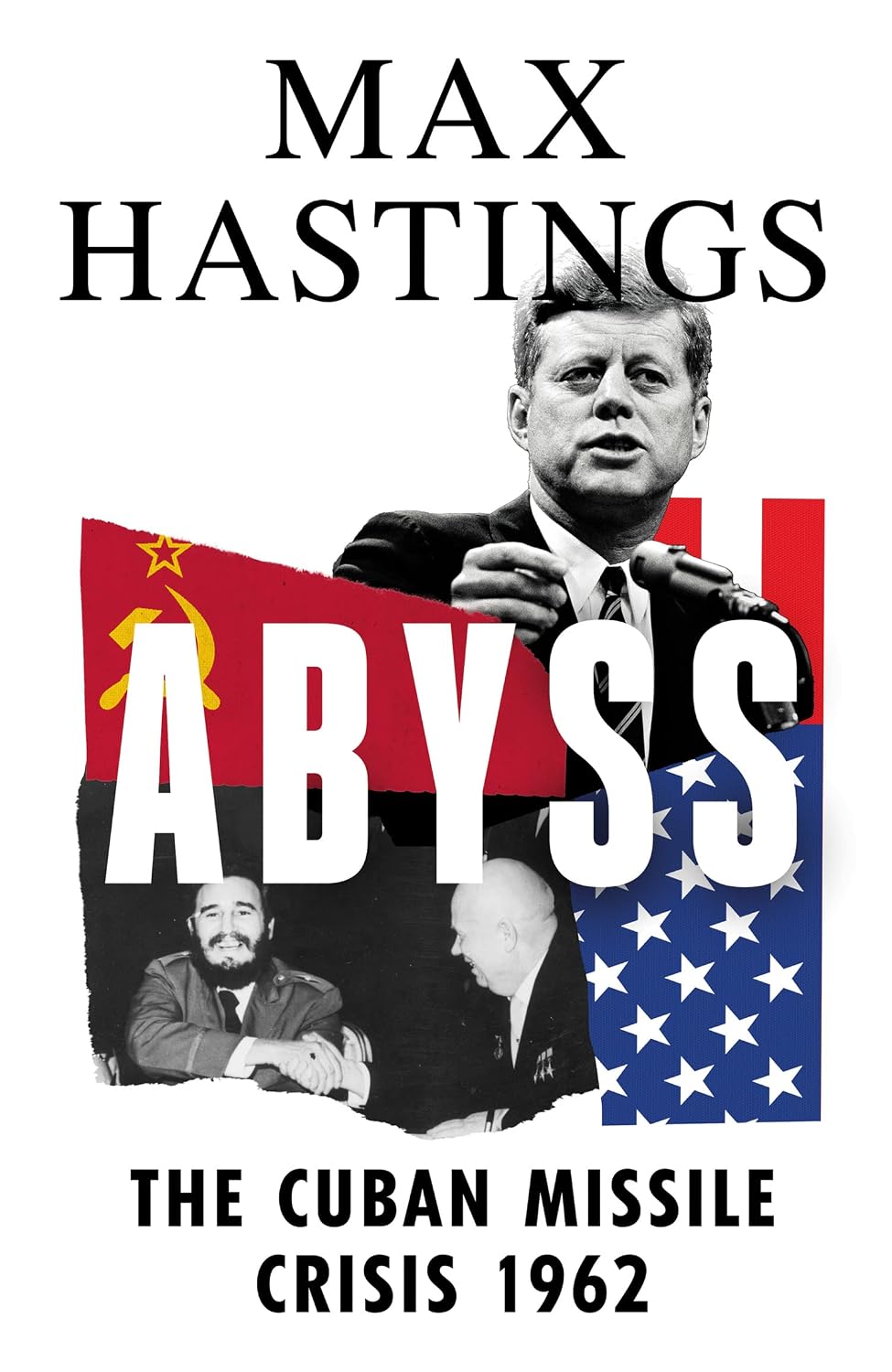
Abyss: The Cuban Missile Crisis 1962
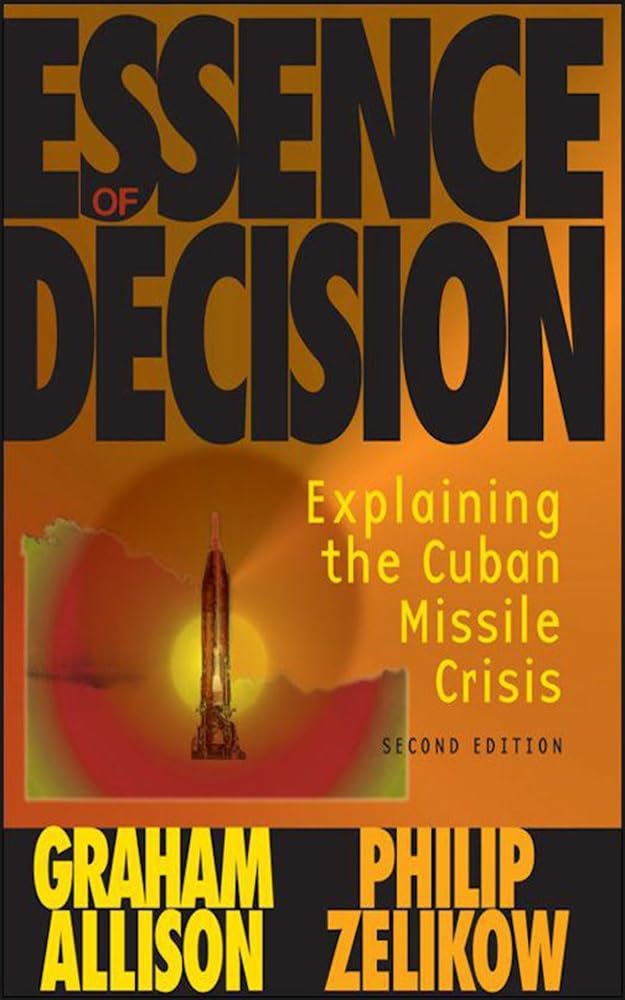
Essence of Decision: Explaining the Cuban Missile Crisis
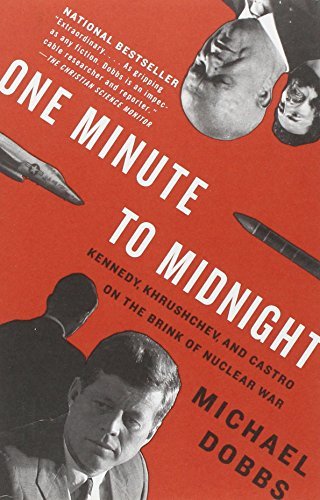
One Minute to Midnight: Kennedy, Khrushchev, and Castro on the Brink of Nuclear War
Impact & Consequences of the Cuban Missile Crisis
The Cuban Missile Crisis had immediate and long-term consequences that reshaped Cold War dynamics. In the short term, it forced both superpowers to confront the risks of direct confrontation, leading to the Partial Nuclear Test Ban Treaty (1963) and later arms control agreements like SALT. The crisis also exposed the dangers of miscommunication, prompting the creation of the Moscow-Washington Hotline to facilitate direct dialogue.
Long-term impacts include shifts in U.S. and Soviet foreign policy. The U.S. adopted a strategy of "flexible response," while the USSR focused on achieving nuclear parity. The crisis also cemented Cuba’s alignment with the Soviet bloc and influenced later conflicts, such as the Vietnam War. Scholars often cite the event in discussions about deterrence theory, with books and declassified documents (many released in the 1990s) continuing to inform debates.
Frequently Asked Questions
What was the closest we ever came to a nuclear war?
The Cuban Missile Crisis is widely regarded as the closest the world has come to nuclear war, particularly on October 27, 1962, when a U.S. destroyer dropped depth charges near a Soviet submarine whose officers nearly launched a nuclear torpedo.
What is the best book about the Cuban Missile Crisis?
Max Hastings’ Abyss is the best overall book, balancing depth and readability, while Essence of Decision is the top scholarly pick.
Is Thirteen Days historically accurate?
While Robert F. Kennedy’s memoir is a vital primary source, it reflects his perspective and omits some details (like the Turkey missile deal) that were classified at the time.
When was the Cuban Missile Crisis declassified?
Key documents were gradually declassified starting in the 1970s, with major releases in the 1990s after the Cold War ended, including tapes of JFK’s White House meetings.
As an Amazon Associate, we earn from qualifying purchases.