Cultural Revolution: Best Books & Historical Overview
What Was Cultural Revolution?
The Cultural Revolution, officially known as the Great Proletarian Cultural Revolution, was a sociopolitical movement in China initiated by Mao Zedong in 1966 and lasting until his death in 1976. Its primary goal was to preserve Chinese communism by purging remnants of capitalist and traditional elements from society, as well as to reassert Mao’s authority over the Communist Party. The movement mobilized millions of young people, known as Red Guards, to attack perceived enemies of the revolution, including intellectuals, party officials, and anyone labeled as counter-revolutionary.
The Cultural Revolution led to widespread chaos, violence, and persecution across China. Schools and universities were shut down, cultural artifacts were destroyed, and millions were subjected to public humiliation, forced labor, or execution. The movement reshaped Chinese society, politics, and culture, leaving deep scars that continue to influence modern China. Its legacy remains a contentious topic, with debates about its causes, impact, and Mao’s role in its atrocities.
Book Comparison at a Glance
| Book | Readability | Depth | Best For |
|---|---|---|---|
| The Cultural Revolution: A People's History | Moderate | Comprehensive | Readers seeking a broad overview |
| Wild Swans | High | Personal | Those interested in personal stories |
| Mao's Last Revolution | Low | Rigorous | Academics and researchers |
| The Chinese Cultural Revolution as History | Moderate | Analytical | Scholars and historians |
| Red Scarf Girl | High | Concise | Young readers and beginners |
Best Books About Cultural Revolution
The Cultural Revolution remains one of the most tumultuous periods in modern history, and understanding its complexities requires engaging with diverse perspectives. Below are five essential books that offer unique insights into this era, ranging from scholarly analyses to personal narratives.
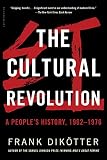
The Cultural Revolution: A People's History, 1962-1976
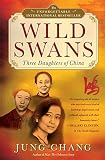
Wild Swans: Three Daughters of China
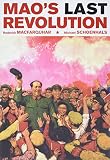
Mao's Last Revolution
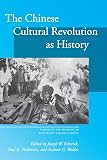
The Chinese Cultural Revolution as History
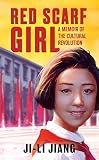
Red Scarf Girl: A Memoir of the Cultural Revolution
Impact & Consequences of Cultural Revolution
The Cultural Revolution had profound and far-reaching consequences for China. Economically, it disrupted industrial and agricultural production, leading to widespread shortages and stagnation. Politically, it weakened the Communist Party’s structure, as factions competed for power and loyalty to Mao became the sole criterion for advancement. Socially, it tore apart families and communities, as individuals were encouraged to denounce loved ones in the name of revolutionary purity.
Culturally, the movement devastated China’s intellectual and artistic heritage, as traditional practices and artifacts were destroyed and intellectuals were persecuted. The Red Guards’ campaigns against “old customs” left a void that took decades to fill. In the long term, the Cultural Revolution shaped China’s modern identity, fostering a generation scarred by trauma and mistrust. Its legacy continues to influence Chinese politics and society, with debates about Mao’s role and the movement’s consequences remaining highly sensitive topics.
Survivor Stories & Personal Narratives
Firsthand accounts of the Cultural Revolution provide a deeply personal perspective on its horrors and upheaval. Survivor stories often highlight the psychological and emotional toll of persecution, as individuals were forced to betray friends and family or endure public humiliation. These narratives reveal the human cost of Mao’s ideological crusade, offering insights into the resilience and suffering of ordinary people.
Books like Wild Swans and Red Scarf Girl capture the experiences of those who lived through the era, from the Red Guards who initially embraced the revolution to the victims who bore its brunt. These accounts also shed light on the aftermath, as survivors grappled with the trauma of their experiences and sought to rebuild their lives. Personal narratives remain a vital resource for understanding the Cultural Revolution’s impact on individuals and society.
Focus on Key Figures
Mao Zedong’s role in the Cultural Revolution is central to understanding its origins and execution. Mao launched the movement to reassert his authority within the Communist Party and eliminate perceived threats to his vision of Chinese communism. His manipulation of the Red Guards and promotion of class struggle created an atmosphere of fear and violence that permeated every level of society.
Books like Mao's Last Revolution delve into Mao’s motivations and strategies, revealing how he used propaganda, ideology, and coercion to maintain control. Other works explore the roles of key figures such as Zhou Enlai and Lin Biao, who navigated the complex political landscape of the era. Understanding these individuals’ actions and decisions is crucial for comprehending the Cultural Revolution’s dynamics and consequences.
Thematic Focus: Persecution & Social Change
The Cultural Revolution was characterized by mass persecution and radical social transformation. Intellectuals, religious figures, and anyone deemed counter-revolutionary were targeted for public humiliation, imprisonment, or execution. The movement sought to dismantle traditional hierarchies and create a classless society, but instead, it fostered chaos and division.
Socially, the Cultural Revolution disrupted family structures, as children were encouraged to denounce their parents and spouses were forced to betray each other. It also reshaped China’s cultural landscape, as traditional practices were replaced with revolutionary ideology. The long-term effects of this persecution and social upheaval are still felt today, as China continues to grapple with the legacy of Mao’s policies.
Frequently Asked Questions
Is the book Wild Swans a true story?
Yes, Wild Swans by Jung Chang is a memoir based on the true experiences of three generations of women in her family during China's Cultural Revolution and other historical periods.
What is the book about Mao's Cultural Revolution?
Mao's Great Famine by Frank Dikötter examines the catastrophic policies of Mao Zedong, including the Cultural Revolution, focusing on their human and societal costs.
What were the red books in the Cultural Revolution?
The "red books" refer to Quotations from Chairman Mao Zedong, a collection of Mao's sayings that became a mandatory symbol of loyalty and ideological tool during the Cultural Revolution.
Is Red Scarf Girl a true story?
Yes, Red Scarf Girl by Ji-li Jiang is a memoir recounting the author's childhood experiences during the Cultural Revolution in China.
What were the main points of the Cultural Revolution?
The Cultural Revolution (1966–1976) aimed to enforce communism by purging capitalist and traditional elements, mobilizing youth as Red Guards, and consolidating Mao Zedong's power through mass campaigns and persecution.
What was the Cultural Revolution simplified?
The Cultural Revolution was a decade-long political movement in China led by Mao Zedong to eliminate opposition, revive revolutionary fervor, and reshape society through radical ideology and violence.
As an Amazon Associate, we earn from qualifying purchases.