French Revolution: Best Books & Historical Overview
The revolution that promised liberty and delivered the guillotine
What Was the French Revolution?
The French Revolution (1789–1799) was a period of radical political and social upheaval in France that profoundly transformed the country and influenced modern history. Sparked by financial crises, social inequality, and Enlightenment ideals, it began with the storming of the Bastille in 1789 and led to the overthrow of the monarchy, the establishment of a republic, and eventual rise of Napoleon Bonaparte. The Revolution introduced revolutionary concepts like liberty, equality, and fraternity, reshaping governance, human rights, and nationalism globally.
Key events included the Reign of Terror (1793–1794), where thousands were executed, and the rise of revolutionary factions like the Jacobins. The Revolution ended with Napoleon's coup in 1799, but its legacy endured, inspiring democratic movements worldwide and dismantling feudal structures in Europe. It remains a pivotal study in how societies confront inequality and governance.
Book Comparison at a Glance
| Book | Readability | Depth | Best For |
|---|---|---|---|
| Citizens | Moderate | Comprehensive analysis | Readers wanting narrative + scholarship |
| The Oxford History | Moderate | Academic rigor | Students & researchers |
| A Tale of Two Cities | High | Literary drama | Fiction lovers |
| A New World Begins | High | Balanced overview | Beginners |
| Twelve Who Ruled | Moderate | Terror period analysis | Those interested in revolutionary leadership |
Best Books About the French Revolution
The French Revolution has inspired countless works, from sweeping narratives to focused studies. Here are five essential books that offer diverse perspectives, whether you seek scholarly depth, gripping storytelling, or accessible introductions.
Top Nonfiction Books
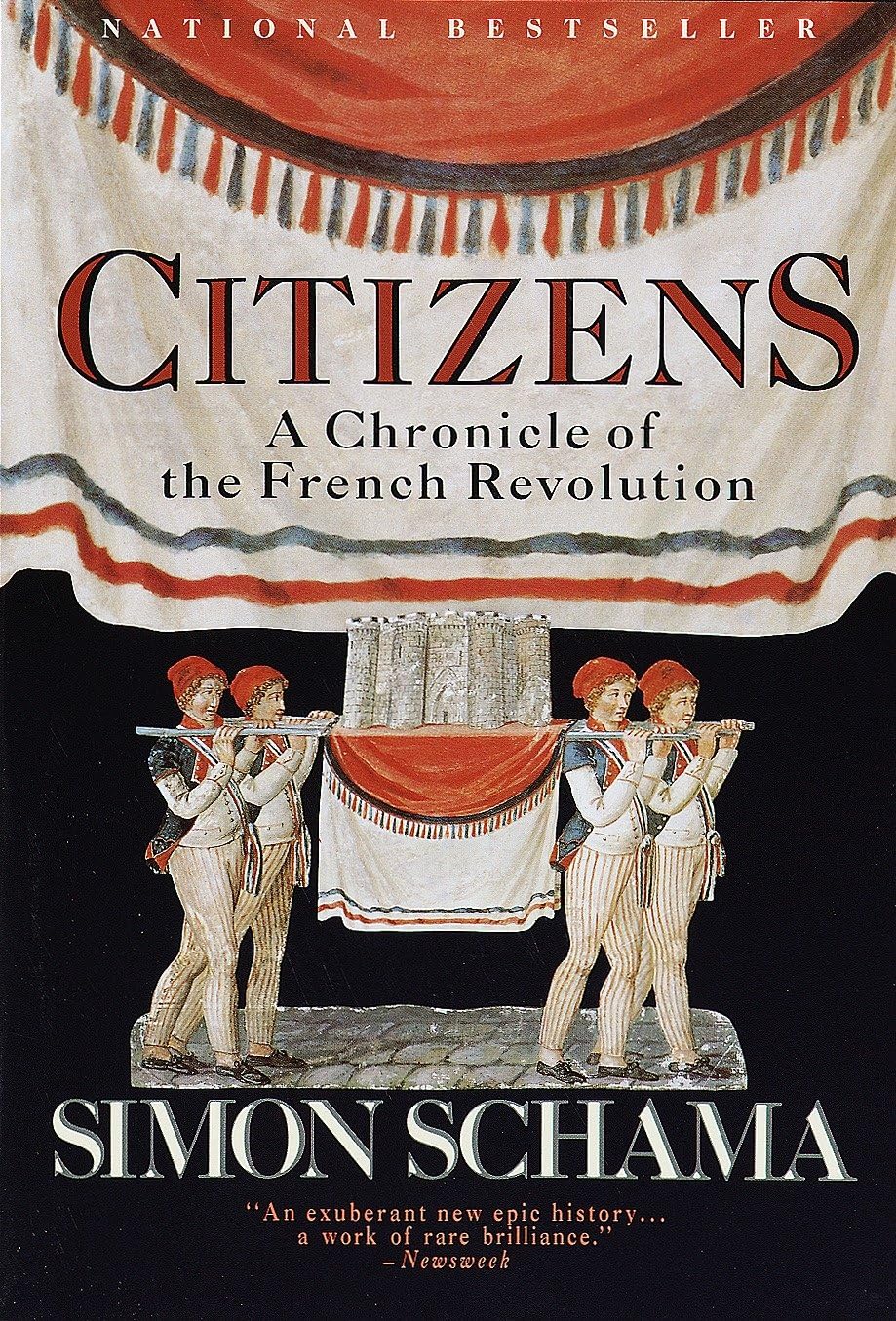
Citizens: A Chronicle of the French Revolution
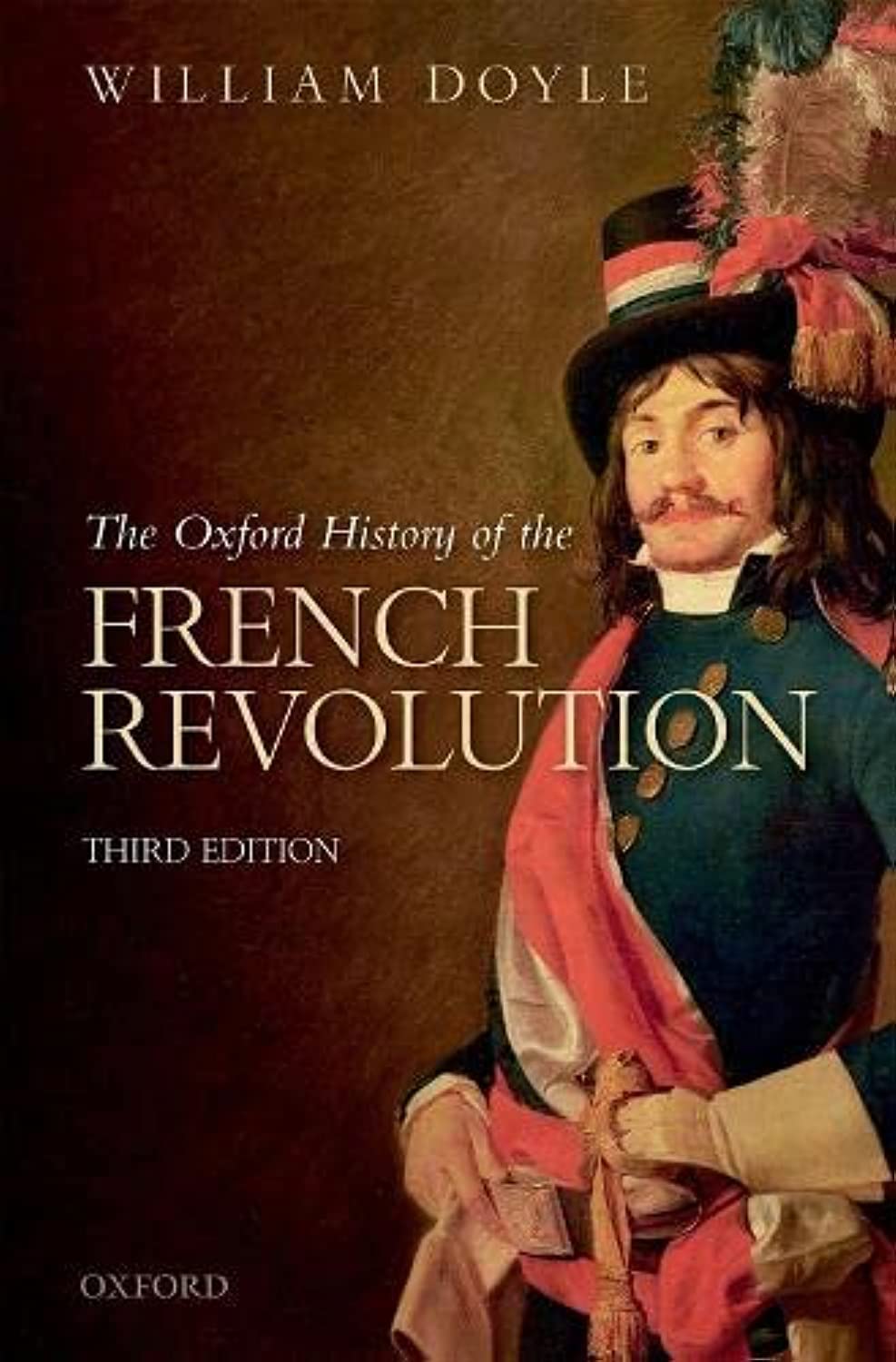
The Oxford History of the French Revolution
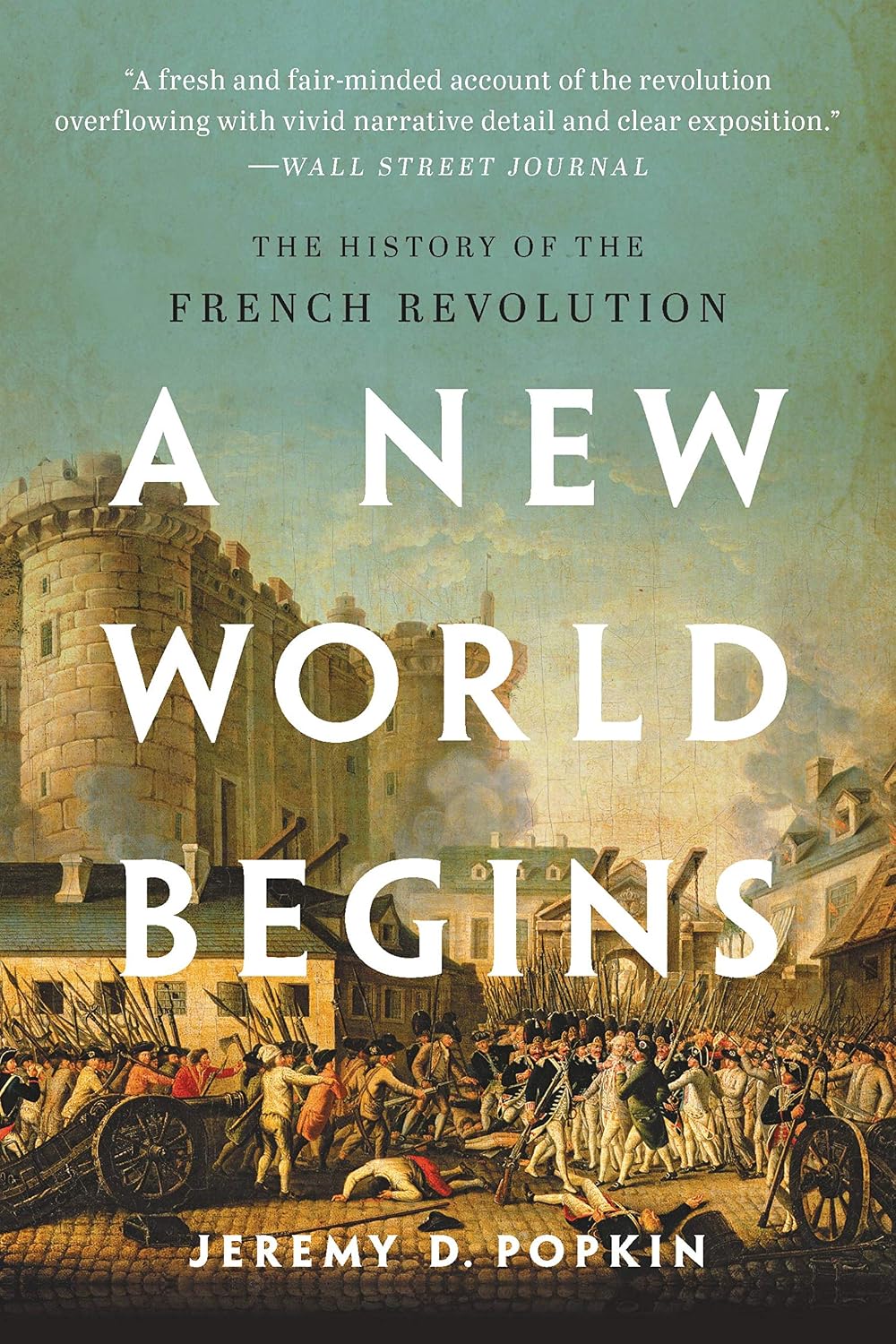
A New World Begins: The History of the French Revolution
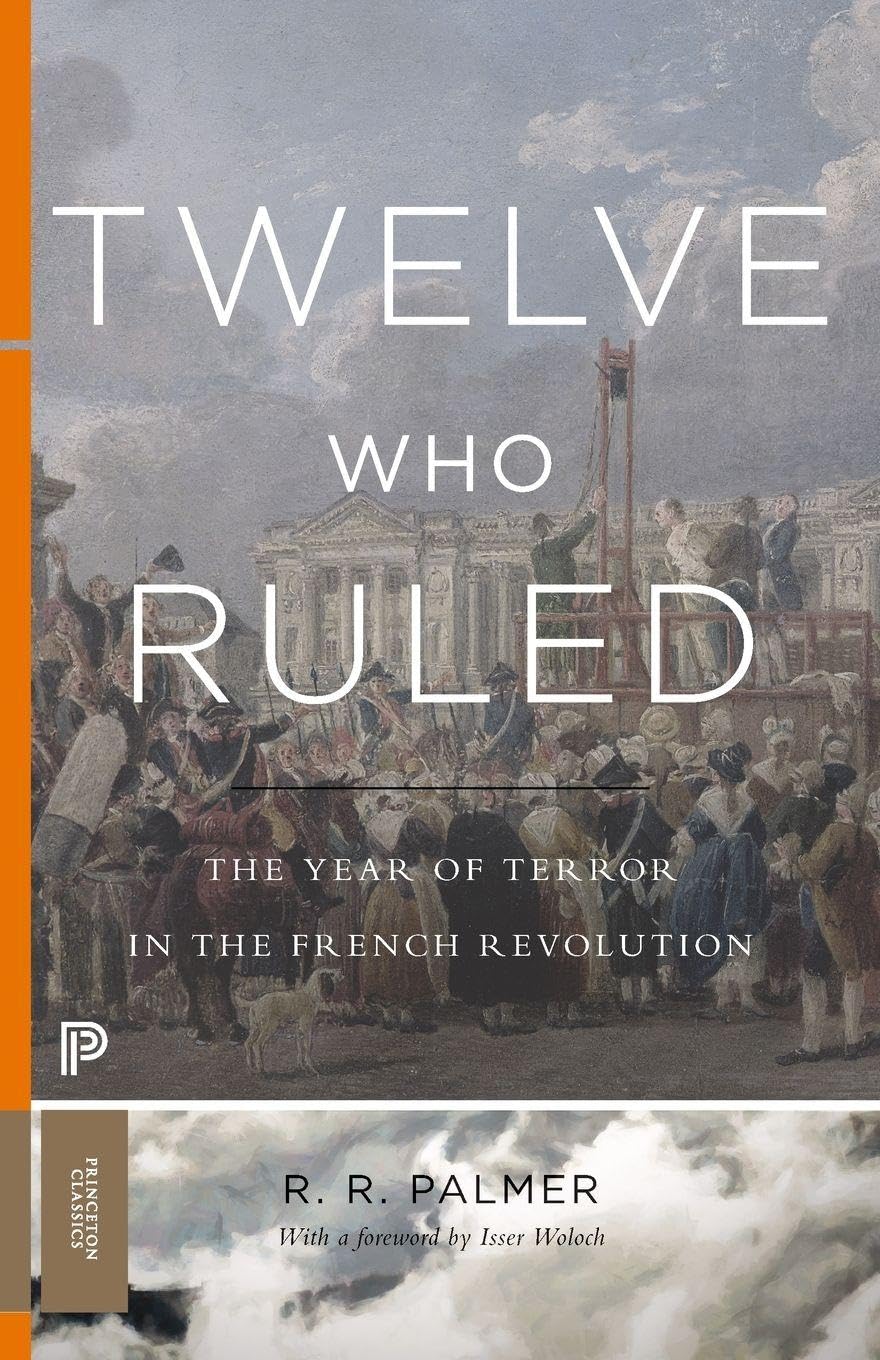
Twelve Who Ruled: The Year of the Terror in the French Revolution
Best Historical Fiction & Novels
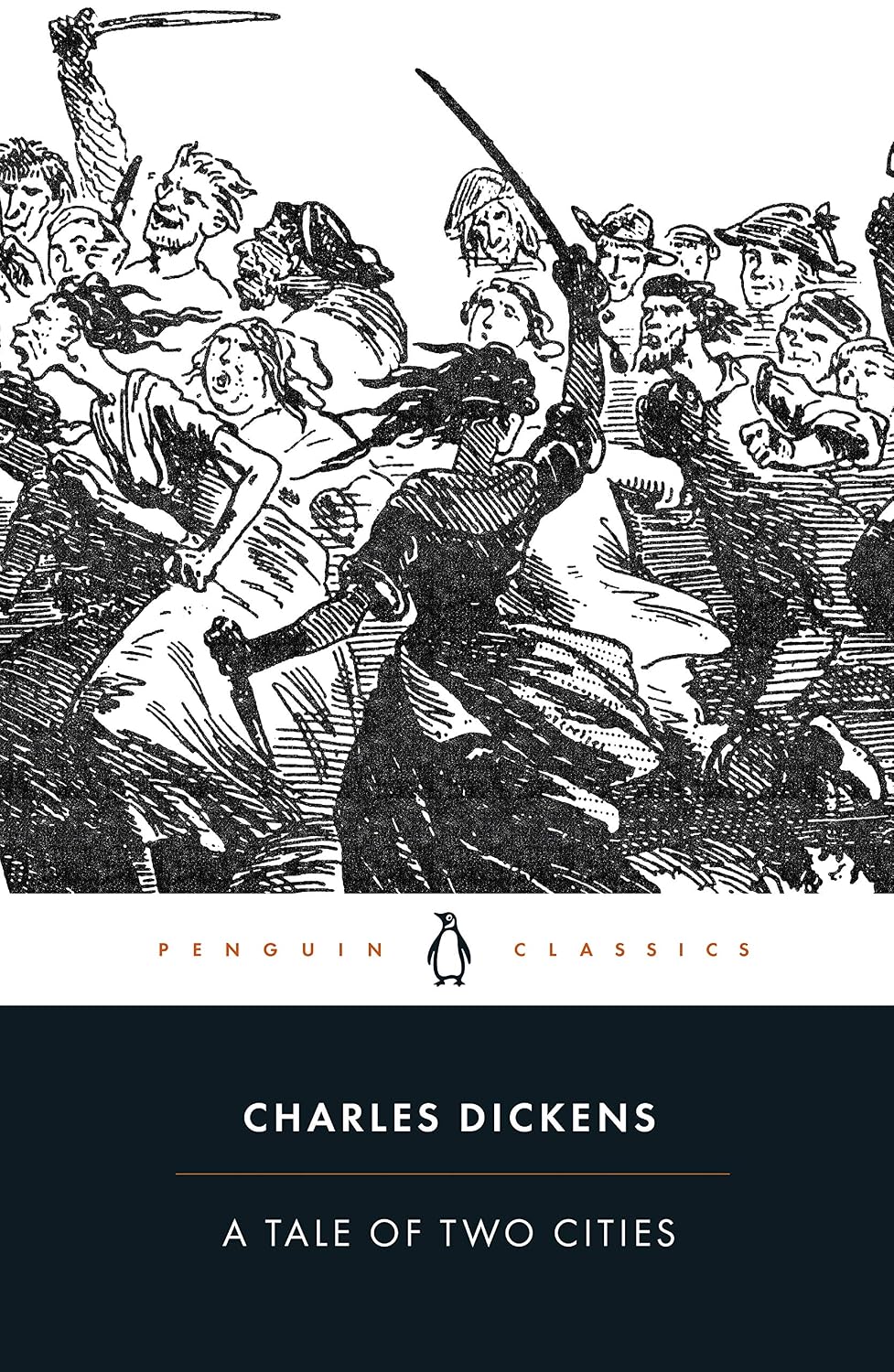
A Tale of Two Cities
Impact & Consequences of the French Revolution
The French Revolution's effects were immediate and far-reaching. Domestically, it abolished feudal privileges, established secular governance, and introduced radical reforms like universal male suffrage (though short-lived). The Reign of Terror's violence, however, revealed the dangers of revolutionary extremism. Economically, the Revolution destabilized France's finances but laid groundwork for modern property rights and capitalism.
Globally, the Revolution inspired independence movements, including Haiti's successful slave revolt. Its ideals were themselves influenced by the earlier American Revolution, though debates persist about the precise nature of these transatlantic connections.
Perspectives & Controversies
Historians disagree sharply about the Revolution's legacy. Marxist scholars emphasize class struggle, framing it as a bourgeois uprising against aristocracy. Revisionists like Simon Schama critique its violence, arguing it betrayed Enlightenment ideals. Others highlight its gender dynamics, noting women's active roles despite being excluded from formal power.
The Revolution's connection to democracy is also contested: while it birthed modern republicanism, its authoritarian turns (e.g., Napoleon's empire) complicate this narrative. These debates ensure the Revolution remains a lively field, with new scholarship revisiting its global dimensions and economic policies.
Frequently Asked Questions
Why did they execute Marie Antoinette's husband?
King Louis XVI was executed in 1793 for treason, as he was seen as a threat to the revolution due to his attempts to flee France and his perceived collaboration with foreign powers.
What is the famous novel about the French Revolution?
A Tale of Two Cities by Charles Dickens is the most famous novel set during the French Revolution, depicting the turmoil and contrasts between London and Paris.
What is the best book about the French Revolution?
Citizens: A Chronicle of the French Revolution by Simon Schama is often regarded as one of the best comprehensive histories of the revolution, blending narrative and analysis.
What are the best books on the French Revolution?
Top recommendations include The French Revolution: From Enlightenment to Tyranny by Ian Davidson, Revolutionary France 1770-1880 by François Furet, and Twelve Who Ruled by R.R. Palmer.
Is the scarlet pimpernel a true story?
No, The Scarlet Pimpernel by Baroness Orczy is a work of historical fiction, though it is set against the backdrop of the French Revolution's Reign of Terror.
As an Amazon Associate, we earn from qualifying purchases.