Fukushima Nuclear Disaster: Best Books & Historical Overview
What Was Fukushima Nuclear Disaster?
The Fukushima Nuclear Disaster occurred on March 11, 2011, following a 9.0 magnitude earthquake off the coast of Japan. The earthquake triggered a massive tsunami that inundated the Fukushima Daiichi Nuclear Power Plant, disabling its cooling systems and leading to meltdowns in three of its reactors. This catastrophic event released significant amounts of radioactive material into the environment, forcing the evacuation of over 160,000 residents and creating a lasting impact on the region.
The disaster is considered one of the worst nuclear accidents in history, second only to Chernobyl. It highlighted critical vulnerabilities in nuclear power plant safety measures, particularly in the face of natural disasters. The Fukushima incident has had profound implications for global energy policy, leading many countries to reconsider their reliance on nuclear power and prompting stricter safety regulations.
Book Comparison at a Glance
| Book | Readability | Depth | Best For |
|---|---|---|---|
| Ghosts of the Tsunami | High | Deep | Readers interested in personal stories |
| Atoms and Ashes | Moderate | Comprehensive | Readers seeking global context |
| Chernobyl | Moderate | Detailed | Readers comparing nuclear disasters |
| Ichi-F | High | Focused | Readers wanting a worker's perspective |
Best Books About Fukushima Nuclear Disaster
Understanding the Fukushima Nuclear Disaster requires a multifaceted approach, and these four books provide a comprehensive view of the event from different angles. Each offers unique insights into the disaster, its causes, and its aftermath.
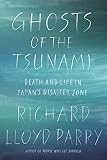
Ghosts of the Tsunami: Death and Life in Japan's Disaster Zone
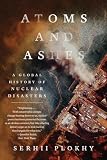
Atoms and Ashes: A Global History of Nuclear Disasters
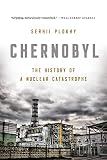
Chernobyl: The History of a Nuclear Catastrophe
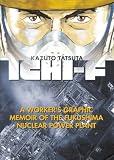
Ichi-F: A Worker's Graphic Memoir of the Fukushima Nuclear Power Plant
Impact & Consequences of Fukushima Nuclear Disaster
The Fukushima Nuclear Disaster had far-reaching consequences, both immediate and long-term. The release of radioactive materials led to widespread contamination, affecting agriculture, fisheries, and the environment. The evacuation of residents created significant social and economic disruptions, with many people still unable to return to their homes years later.
The disaster also had a profound impact on global nuclear policy. Many countries reassessed their reliance on nuclear energy, with some, like Germany, opting to phase out nuclear power entirely. The incident underscored the need for stringent safety measures and better disaster preparedness in the nuclear industry.
Long-term health effects are still being studied, with concerns about increased cancer risks and other radiation-related illnesses. The environmental impact, particularly on marine life, remains a significant concern, especially with the planned release of treated wastewater from the plant.
Fukushima vs. Chernobyl: Comparative Analysis
Fukushima and Chernobyl are often compared due to their severity and the lessons they offer about nuclear safety. Chernobyl, occurring in 1986, was the result of a flawed reactor design and operator error, leading to an explosion and massive release of radioactive material. Fukushima, on the other hand, was triggered by a natural disaster, highlighting vulnerabilities in plant design and emergency preparedness.
In terms of radiation release, Chernobyl was more severe, but Fukushima's impact on densely populated Japan posed unique challenges. The evacuation zones around Fukushima were larger, and the disaster had significant economic repercussions due to its location in a highly industrialized area.
Both disasters have led to advancements in nuclear safety, but they also serve as stark reminders of the potential consequences of nuclear accidents. The comparison underscores the importance of continuous improvement in safety protocols and disaster response strategies.
Survivor Stories & Firsthand Accounts
Survivor stories from Fukushima provide a deeply personal perspective on the disaster. Accounts from residents who experienced the earthquake, tsunami, and subsequent nuclear meltdown highlight the chaos and fear that gripped the region. Many survivors recount the difficulty of evacuation, the loss of homes and livelihoods, and the ongoing struggle to rebuild their lives.
Firsthand accounts from workers at the Fukushima Daiichi plant, such as those documented in "Ichi-F," offer insights into the dangerous and challenging conditions faced during the cleanup efforts. These narratives underscore the bravery and resilience of those who worked to contain the disaster, often at great personal risk.
The stories of survivors and workers not only humanize the disaster but also serve as powerful reminders of the need for robust safety measures and effective disaster response systems to protect lives and communities.
Technical & Engineering Perspectives
From a technical standpoint, the Fukushima disaster exposed critical flaws in the design and operation of nuclear power plants. The tsunami's impact on the cooling systems led to the meltdowns, highlighting the need for better safeguards against natural disasters. Engineers and scientists have since focused on improving reactor designs, enhancing backup systems, and developing more effective emergency response protocols.
The cleanup and decommissioning of the Fukushima Daiichi plant have presented unprecedented technical challenges. Removing melted fuel debris, managing contaminated water, and ensuring the safety of workers are complex tasks that require innovative solutions and international collaboration.
Ongoing research and technological advancements aim to prevent similar disasters in the future. Lessons learned from Fukushima continue to inform nuclear safety standards and practices worldwide.
Environmental & Health Impacts
The environmental and health impacts of the Fukushima disaster are profound and long-lasting. Radioactive contamination has affected soil, water, and marine ecosystems, with potential consequences for biodiversity and food safety. The planned release of treated wastewater from the plant has raised concerns about further environmental damage and its impact on marine life.
Health risks associated with radiation exposure include increased cancer rates, particularly thyroid cancer, and other long-term health effects. Monitoring and research are ongoing to assess the full extent of these impacts and to provide care for affected individuals.
The disaster has also prompted greater awareness and preparedness for nuclear accidents, with efforts to mitigate environmental and health risks through improved safety measures and emergency response strategies.
Frequently Asked Questions
What is the best documentary about the Fukushima disaster?
"The Tsunami and the Cherry Blossom" (2011) is a critically acclaimed documentary that captures the human impact of the disaster, though "Fukushima: A Nuclear Story" (2015) provides a detailed technical analysis.
What is the Netflix show about Fukushima?
"Dark Tourist" (2018) features an episode on Fukushima, while "The Fukushima Nuclear Accident" (2021) is a documentary available on Netflix that delves into the disaster's causes and aftermath.
As an Amazon Associate, we earn from qualifying purchases.