Great Depression: Best Books & Historical Overview
What Was Great Depression?
The Great Depression was the most severe economic downturn in the history of the industrialized world, lasting from 1929 to the late 1930s. It began with the stock market crash of October 1929, which wiped out millions of dollars in wealth and led to widespread panic. The crash was followed by a decade of high unemployment, poverty, and deflation, as banks failed, businesses closed, and agricultural prices plummeted. The crisis was global, affecting economies worldwide, but it hit the United States particularly hard.
The Great Depression mattered because it reshaped economic policies, social structures, and political landscapes. It led to the rise of Franklin D. Roosevelt’s New Deal, a series of programs and reforms aimed at recovery and relief. The era also highlighted the vulnerabilities of unregulated markets and spurred changes in financial systems and labor laws. Its legacy continues to influence debates on economic policy and government intervention.
Book Comparison at a Glance
| Book | Readability | Depth | Best For |
|---|---|---|---|
| The New Deal | High | Comprehensive | Policy enthusiasts |
| The Grapes of Wrath | High | Emotional | Literary readers |
| The Great Depression | Moderate | In-depth | History buffs |
| The Worst Hard Time | High | Engaging | General readers |
| Out of the Dust | Moderate | Thoughtful | Educators |
Best Books About Great Depression
The Great Depression has been explored through various lenses, from scholarly analysis to gripping narratives. Below are five essential books that offer unique perspectives on this pivotal era.
Top Nonfiction Books
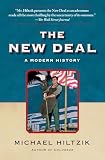
The New Deal: A Modern History
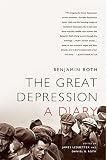
The Great Depression: A Diary
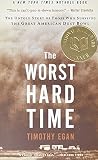
The Worst Hard Time
Best Historical Fiction & Novels

The Grapes of Wrath
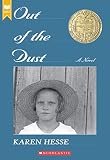
Out of the Dust
Impact & Consequences of Great Depression
The Great Depression had profound and far-reaching consequences that reshaped the global economy and society. The crash of 1929 exposed the fragility of financial markets, leading to widespread bank failures and a collapse in consumer spending. Unemployment soared, reaching 25% in the United States, and millions of families were plunged into poverty. The crisis also triggered a wave of social and political changes, including the rise of labor movements and the expansion of government intervention in the economy.
Economically, the Great Depression highlighted the need for regulatory reforms. The Securities and Exchange Commission (SEC) was established to oversee stock markets, and the Federal Deposit Insurance Corporation (FDIC) was created to protect bank deposits. These measures aimed to restore public confidence and prevent future financial crises. The era also saw the emergence of Keynesian economics, which advocated for government spending to stimulate economic growth.
Socially, the Great Depression left a lasting impact on American culture and identity. It fostered a sense of resilience and solidarity among those who endured its hardships, as reflected in literature, art, and music. The crisis also underscored the importance of social safety nets, leading to the creation of programs like Social Security. The lessons learned from the Great Depression continue to inform discussions on economic policy and social welfare.
Books About the Dust Bowl
The Dust Bowl was one of the most devastating environmental disasters of the Great Depression, affecting the Great Plains region of the United States. Prolonged drought and poor farming practices led to massive dust storms that destroyed crops, livestock, and livelihoods. The crisis forced thousands of families to abandon their homes and migrate west in search of work, a journey famously depicted in John Steinbeck’s "The Grapes of Wrath."
Timothy Egan’s "The Worst Hard Time" offers a detailed account of the Dust Bowl, chronicling the experiences of those who lived through the storms. Egan’s narrative is both harrowing and enlightening, providing a vivid portrayal of the environmental and human toll of the disaster. Another notable work is Karen Hesse’s "Out of the Dust," a novel written in verse that captures the struggles of a young girl growing up in the Dust Bowl. Its poetic style and emotional depth make it a unique and accessible read.
The Dust Bowl remains a powerful symbol of the environmental and economic challenges of the Great Depression. Books on this topic not only document the historical events but also explore the resilience and determination of those who endured them. These works are essential for understanding the broader impact of the Great Depression on American society.
Great Depression Photography Books
Photography played a crucial role in documenting the Great Depression, capturing the stark realities of poverty, unemployment, and displacement. Dorothea Lange’s iconic photograph "Migrant Mother" is one of the most recognizable images of the era, symbolizing the struggles of migrant workers. Lange’s work, along with that of other photographers like Walker Evans and Margaret Bourke-White, provided a visual record of the Depression that continues to resonate today.
Books featuring Great Depression photography offer a powerful glimpse into the lives of those affected by the crisis. These collections often include detailed captions and essays that contextualize the images, providing a deeper understanding of the historical and social conditions of the time. For readers interested in visual history, these books are an invaluable resource.
The impact of Great Depression photography extends beyond documentation; it also influenced public perception and policy. Images of suffering and hardship helped galvanize support for New Deal programs and social reforms. Today, these photographs serve as a reminder of the resilience and humanity of those who lived through one of the darkest periods in American history.
Books About the 1929 Stock Market Crash
The stock market crash of 1929 marked the beginning of the Great Depression and remains one of the most significant events in financial history. On October 24, 1929, known as Black Thursday, stock prices plummeted, leading to widespread panic and a collapse in market confidence. The crash exposed the weaknesses of the financial system and triggered a decade of economic hardship.
Books on the 1929 crash delve into the causes and consequences of this pivotal event. They explore the speculative excesses of the 1920s, the role of banking practices, and the regulatory failures that contributed to the crisis. These works often provide detailed analysis and firsthand accounts, offering insights into the complexities of financial markets.
For readers interested in understanding the origins of the Great Depression, books on the 1929 crash are essential. They not only recount the events of Black Thursday but also examine the broader economic and social implications of the crash. These works are particularly valuable for those studying financial history or seeking lessons from past economic crises.
Great Depression Economics Books
The Great Depression sparked a revolution in economic thought, leading to the development of new theories and policies. Economists like John Maynard Keynes argued that government intervention was necessary to stimulate demand and revive the economy. His ideas laid the foundation for Keynesian economics, which influenced economic policy for decades.
Books on Great Depression economics explore the causes of the crisis, the effectiveness of policy responses, and the lessons learned for future economic management. They often include detailed analysis of data, case studies, and theoretical frameworks. These works are essential for understanding the complexities of economic systems and the challenges of managing economic crises.
For readers interested in economic theory and policy, Great Depression economics books offer valuable insights. They provide a deeper understanding of the factors that contributed to the Depression and the measures taken to address it. These works are particularly relevant for students, policymakers, and anyone interested in the history of economic thought.
FDR & New Deal Books
Franklin D. Roosevelt’s New Deal was a series of programs and reforms aimed at addressing the economic and social challenges of the Great Depression. The New Deal included initiatives like the Civilian Conservation Corps (CCC), the Works Progress Administration (WPA), and the Social Security Act. These programs provided relief, recovery, and reform, reshaping the role of government in American society.
Books on FDR and the New Deal explore the development, implementation, and impact of these programs. They often include detailed analysis of the political and economic context, as well as firsthand accounts from those who participated in or benefited from the New Deal. These works provide a comprehensive understanding of one of the most significant policy responses in American history.
For readers interested in the intersection of politics and economics, FDR and New Deal books are essential. They offer insights into the challenges of governance during a crisis and the legacy of the New Deal. These works are particularly valuable for students, historians, and policymakers.
Frequently Asked Questions
What is the best book about the Great Depression?
Many consider The Grapes of Wrath by John Steinbeck the best book about the Great Depression for its powerful portrayal of the era's hardships.
What books were popular during the Great Depression?
Popular books during the Great Depression included Gone with the Wind by Margaret Mitchell and The Good Earth by Pearl S. Buck, which offered escapism and relatable struggles.
What famous books were written during the Great Depression?
Famous books written during the Great Depression include Of Mice and Men by John Steinbeck and Their Eyes Were Watching God by Zora Neale Hurston.
What is the best book on the Great Depression?
The Worst Hard Time by Timothy Egan is often cited as the best nonfiction book on the Great Depression for its detailed historical account.
As an Amazon Associate, we earn from qualifying purchases.