Haitian Revolution: Best Books & Historical Overview
What Was the Haitian Revolution?
The Haitian Revolution (1791-1804) was a pivotal uprising in which enslaved Africans and free people of color in the French colony of Saint-Domingue (modern-day Haiti) overthrew colonial rule, abolished slavery, and established the first independent Black republic in the Western Hemisphere. Sparked by systemic oppression and inspired by Enlightenment ideals and the French Revolution, the revolt was led by figures like Toussaint Louverture, Jean-Jacques Dessalines, and Henri Christophe. After years of brutal warfare against French, British, and Spanish forces, Haiti declared independence on January 1, 1804.
This revolution was the only successful slave revolt in history and reshaped global politics. It challenged the institution of slavery, inspired anti-colonial movements, and forced nations like the United States and France to confront their own contradictions about liberty and equality. Its significance lies not only in its immediate outcomes but also in its enduring legacy as a symbol of resistance and freedom.
Book Comparison at a Glance
| Book | Readability | Depth | Best For |
|---|---|---|---|
| The Black Jacobins | High | Comprehensive | General readers |
| Avengers of the New World | High | Broad overview | Beginners |
| Tropics of Haiti | Moderate | Academic | Researchers |
| Toussaint Louverture | Moderate | In-depth | Biographical fans |
| All Souls' Rising | High | Narrative-driven | Fiction lovers |
Best Books About the Haitian Revolution
The Haitian Revolution has inspired a wealth of literature, from scholarly analyses to gripping narratives. Below are five essential books that provide diverse perspectives on this transformative event.
Top Nonfiction Books
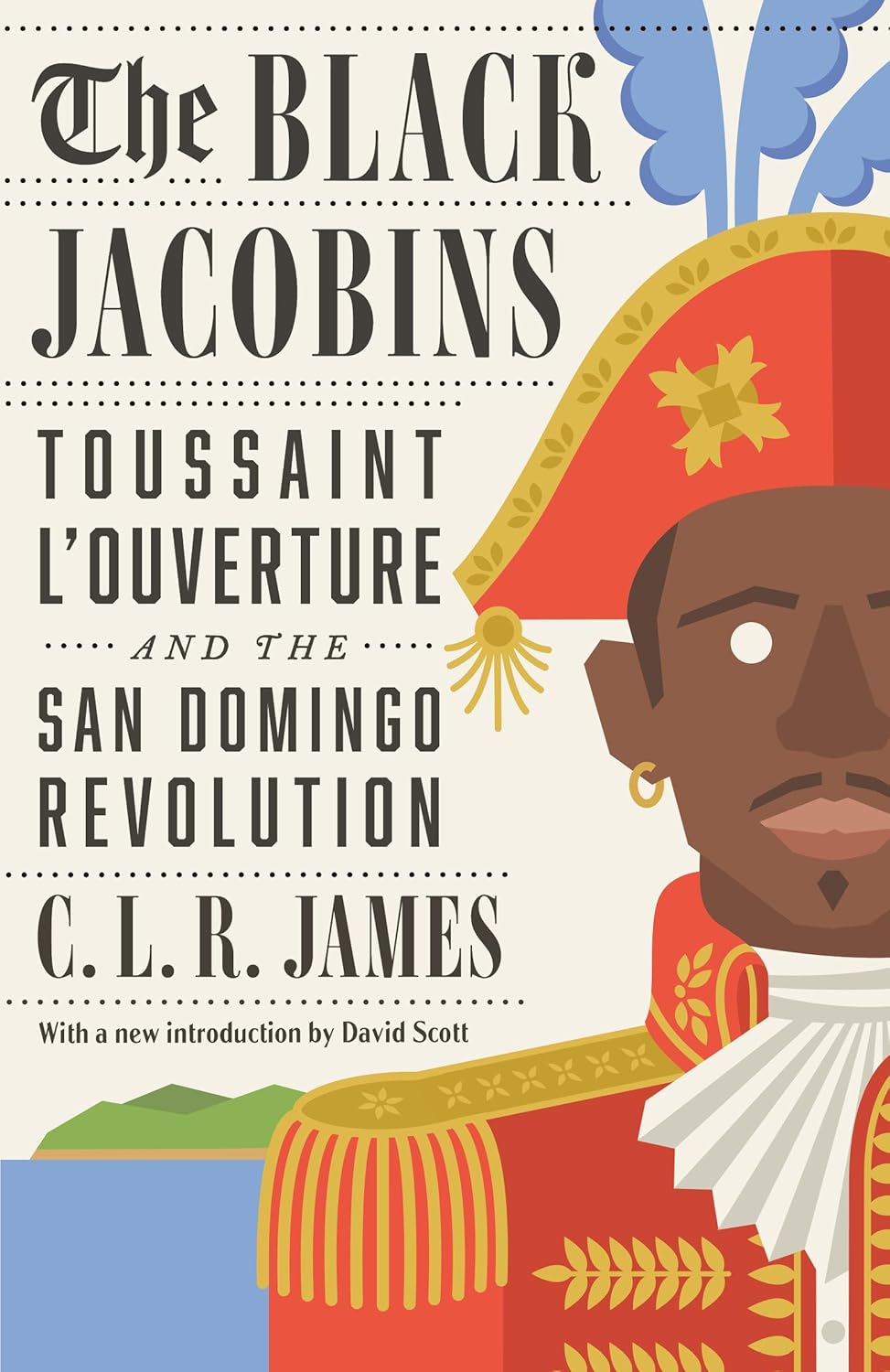
The Black Jacobins: Toussaint L'Ouverture and the San Domingo Revolution
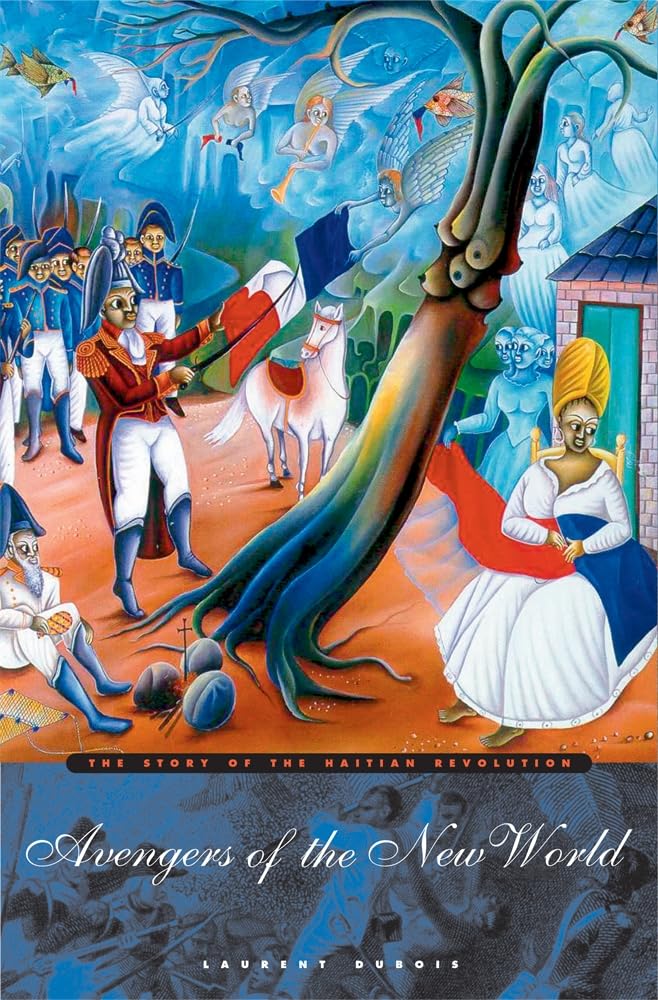
Avengers of the New World: The Story of the Haitian Revolution
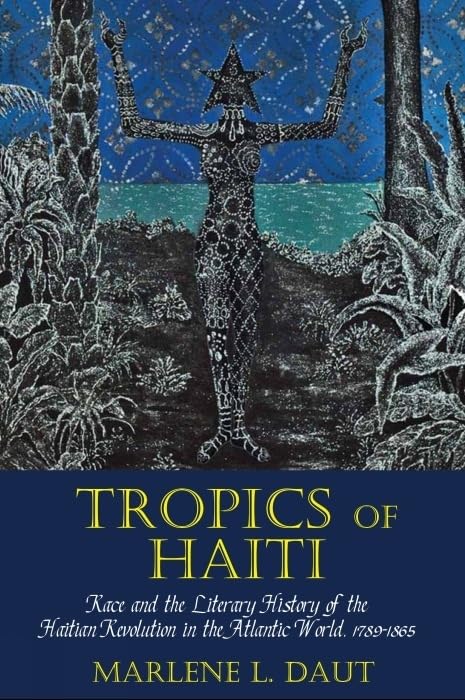
Tropics of Haiti: Race and the Literary History of the Haitian Revolution in the Atlantic World, 1789-1865

Toussaint Louverture: A Revolutionary Life
Best Historical Fiction & Novels
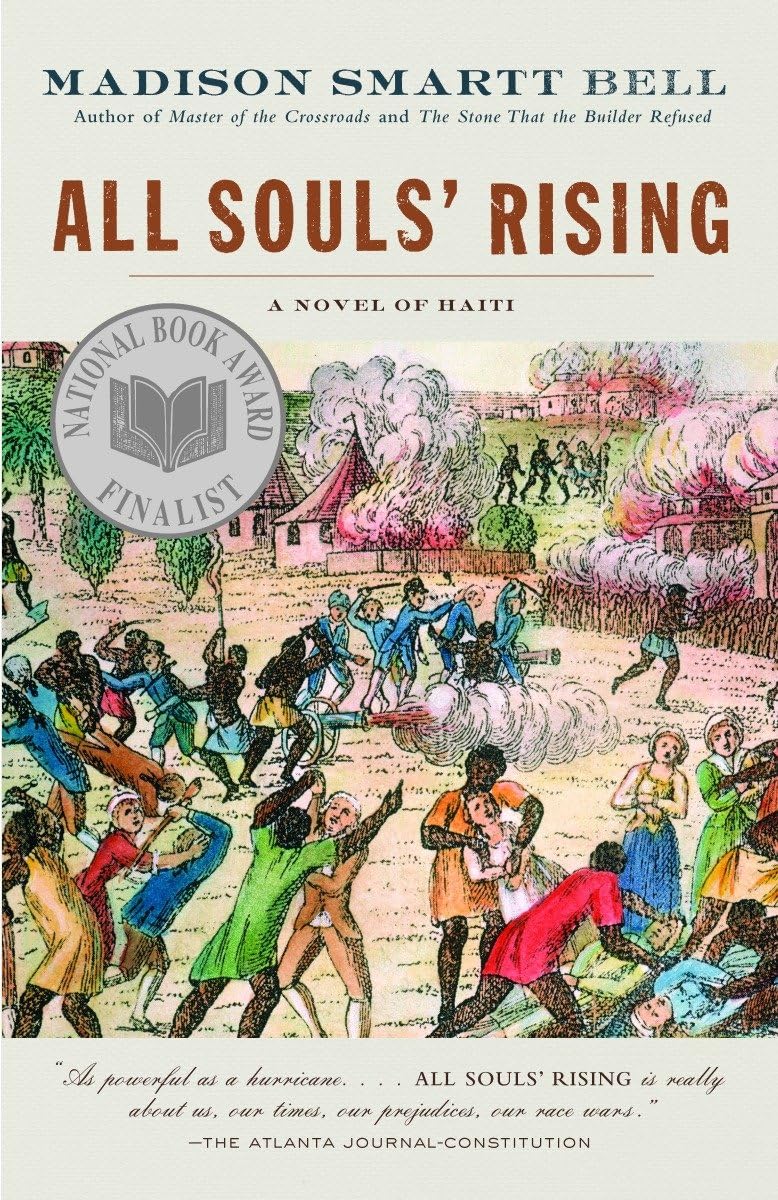
All Souls' Rising
Impact & Consequences of the Haitian Revolution
The Haitian Revolution had profound and far-reaching consequences. Domestically, it dismantled the plantation economy and abolished slavery, creating a society based on freedom and equality—albeit one that faced significant economic challenges due to international isolation. Internationally, it sent shockwaves through colonial powers, particularly France, Spain, and Britain, forcing them to reconsider their reliance on enslaved labor.
The revolution also had a lasting impact on the Americas. It inspired abolitionist movements and anti-colonial uprisings, from the United States to Latin America. However, it also provoked fear among slaveholding nations, leading to policies that sought to contain its influence. For example, the United States refused to recognize Haitian independence until 1862, fearing it would incite rebellion among its own enslaved population.
Today, the Haitian Revolution is celebrated as a landmark event in the fight for human rights and self-determination. Its legacy continues to resonate, particularly in discussions about race, colonialism, and global inequality.
Perspectives & Controversies
The Haitian Revolution has been interpreted in various ways by historians and scholars. Some emphasize its role as a radical challenge to slavery and colonialism, while others focus on its complex social dynamics, including tensions between enslaved Africans, free people of color, and white colonists. Marxist historians, like C.L.R. James, highlight the class struggle and revolutionary potential of the enslaved masses.
Others critique the revolution's aftermath, pointing to the economic and political instability that followed independence. Some scholars argue that the international isolation imposed on Haiti by colonial powers contributed to its struggles, while others focus on internal factors, such as the leadership of figures like Dessalines.
Recent scholarship has also explored the revolution's cultural and intellectual dimensions, examining how it was represented in art, literature, and philosophy. These diverse perspectives enrich our understanding of this complex and multifaceted event.
Frequently Asked Questions
What is the best book about the Haitian Revolution?
The Black Jacobins by C.L.R. James is widely regarded as the best and most influential book about the Haitian Revolution.
What books are about Toussaint Louverture?
Toussaint Louverture: A Revolutionary Life by Philippe Girard and The Haitian Revolution by Toussaint Louverture are two notable books focusing on his life and leadership.
What did Thomas Jefferson say about the Haitian Revolution?
Thomas Jefferson expressed fear and opposition to the Haitian Revolution, calling it a "revolution of the blacks" and worrying it would inspire slave rebellions in the U.S.
Who was the most famous Haitian revolutionary?
Toussaint Louverture is the most famous Haitian revolutionary, known for his military and political leadership during the revolution.
What is Toussaint Louverture's famous quote?
His most famous quote is "In overthrowing me, you have cut down in Saint-Domingue only the trunk of the tree of liberty; it will spring up again from the roots, for they are many and they are deep."
Could Toussaint Louverture read?
Yes, Toussaint Louverture was literate and well-read, despite being born into slavery where education was often denied.
As an Amazon Associate, we earn from qualifying purchases.