Hindenburg disaster: Best Books & Historical Overview
Thirty-seven seconds that ended the age of the airship
What Was the Hindenburg Disaster?
The Hindenburg disaster was a catastrophic airship accident that occurred on May 6, 1937, in Manchester Township, New Jersey. The German passenger airship LZ 129 Hindenburg, one of the largest aircraft ever built, was attempting to dock at the Naval Air Station Lakehurst after a transatlantic flight from Frankfurt, Germany. As it descended, the airship suddenly caught fire and was engulfed in flames within seconds, leading to its complete destruction. Of the 97 people on board, 35 died, along with one ground crew member. The disaster was captured on film and broadcasted worldwide, making it one of the most infamous events in aviation history.
The Hindenburg disaster marked the end of the era of passenger airships and had a profound impact on the future of aviation. It raised significant concerns about the safety of hydrogen-filled airships, leading to a shift toward the development of airplanes for commercial travel. The event also symbolized the fragility of human ambition and technological progress, as the Hindenburg was seen as a marvel of engineering and a symbol of German innovation. Its tragic end remains a cautionary tale about the risks of pioneering technologies.
Book Comparison at a Glance
| Book | Readability | Depth | Best For |
|---|---|---|---|
| Flight of Dreams | High | Moderate | Fiction enthusiasts |
| I Survived the Hindenburg Disaster, 1937 | High | Light | Young readers |
| I Survived the Hindenburg Disaster, 1937 (Graphic Novel) | High | Light | Visual learners |
| What Was the Hindenburg? | High | Light | Younger readers / Newcomers |
| Hindenburg: An Illustrated History | Moderate | In-depth | Researchers |
Best Books About the Hindenburg Disaster
The Hindenburg disaster has inspired a range of books that explore its history, impact, and human stories. Below are five standout titles that offer unique perspectives on this tragic event, catering to readers of all ages and interests.
Top Nonfiction Books
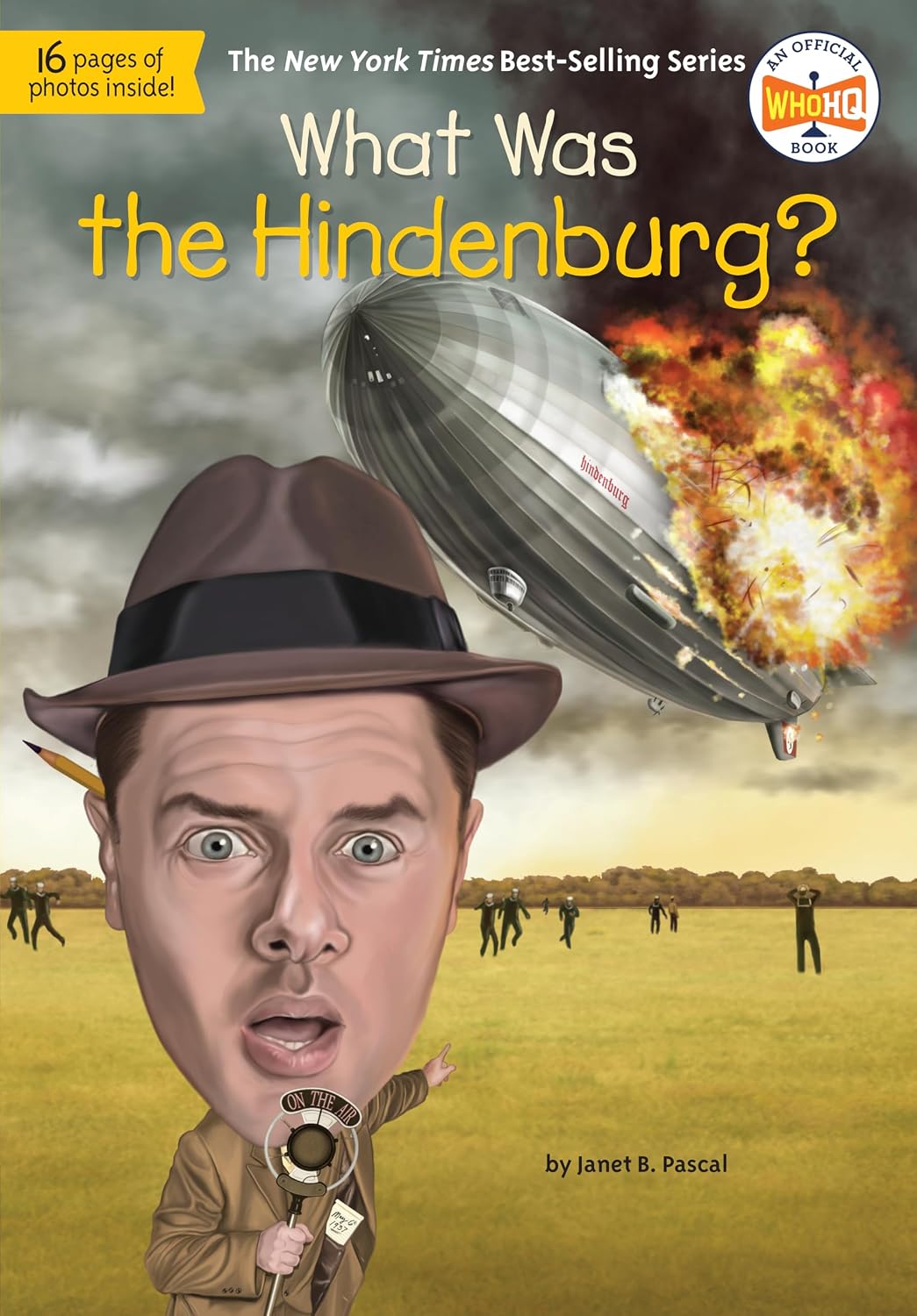
What Was the Hindenburg?
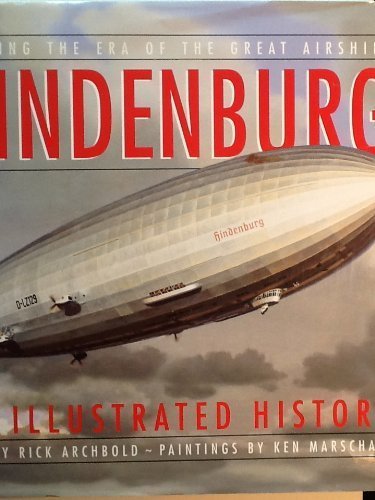
Hindenburg: An Illustrated History
Best Historical Fiction & Novels
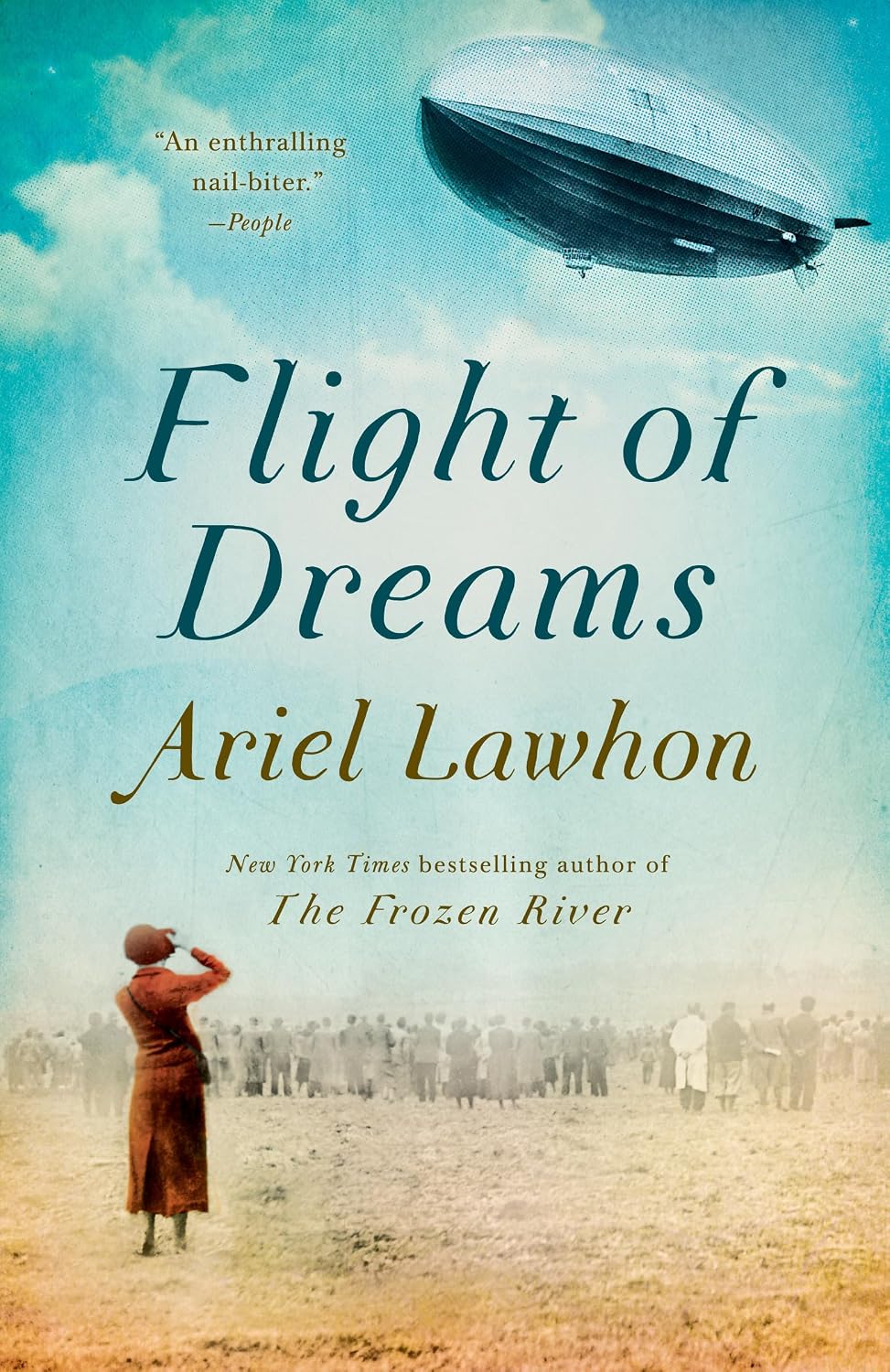
Flight of Dreams
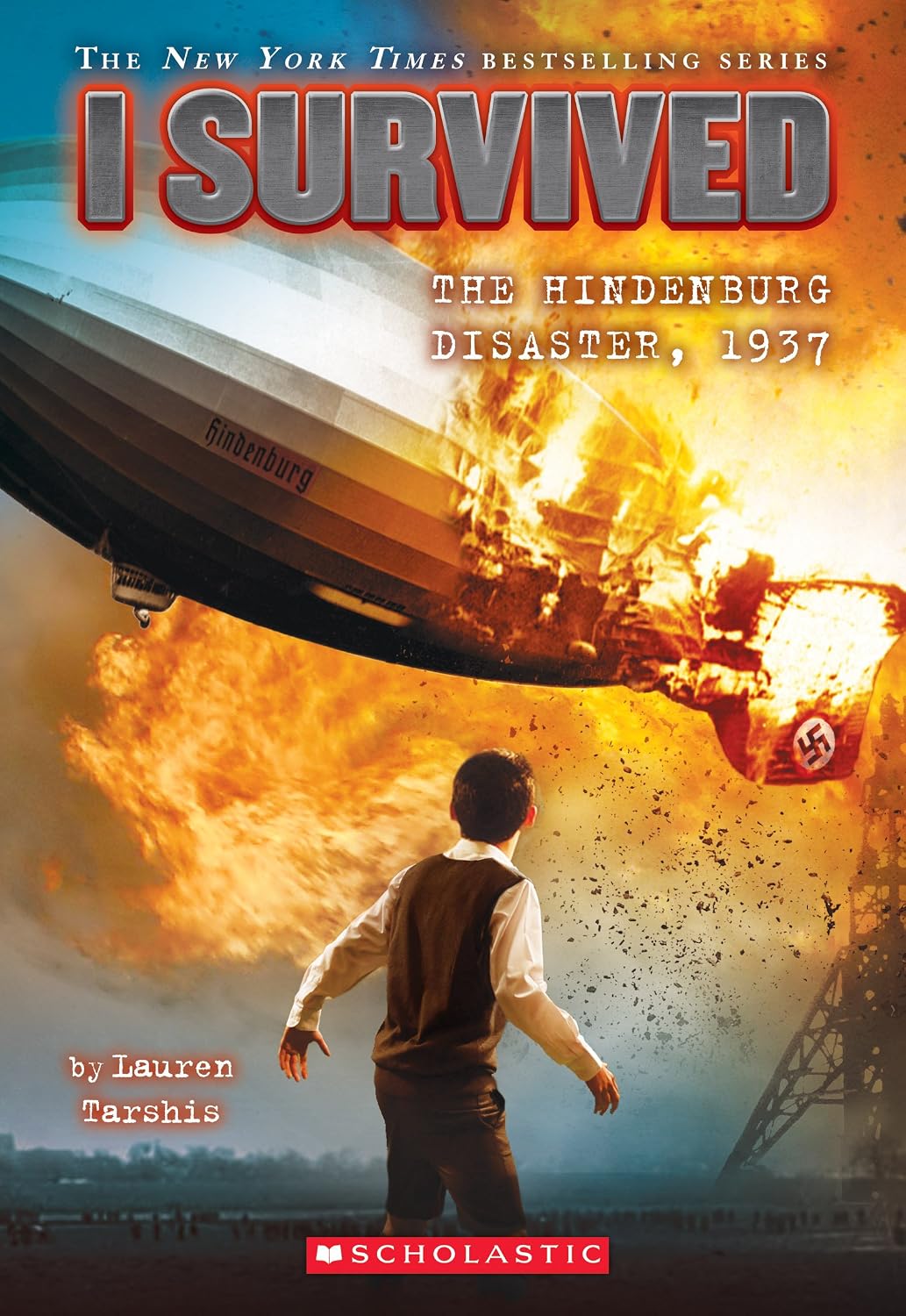
I Survived the Hindenburg Disaster, 1937
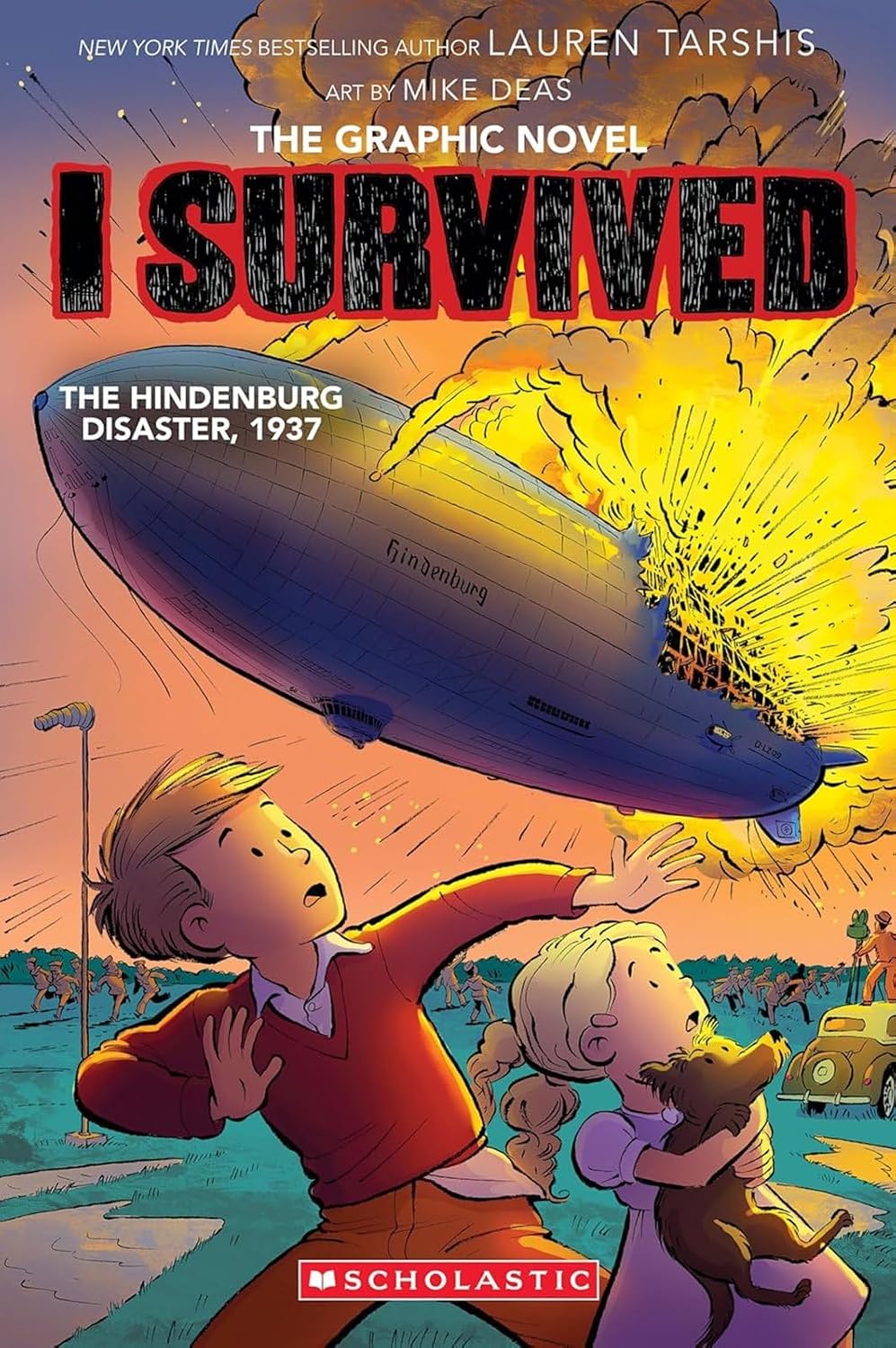
I Survived the Hindenburg Disaster, 1937 (Graphic Novel)
Impact & Consequences of the Hindenburg Disaster
The Hindenburg disaster had far-reaching consequences for aviation and public perception of air travel. The most immediate impact was the abrupt end of the passenger airship industry. Hydrogen, which was used to lift the Hindenburg, was deemed too dangerous for future airships, and the public's trust in this mode of transportation was shattered. This paved the way for airplanes to dominate commercial aviation, as they were seen as safer and more reliable.
The disaster also prompted significant investigations into its cause. While the exact reason for the fire remains debated, theories include static electricity igniting hydrogen gas, a lightning strike, or sabotage. The aftermath of the Hindenburg drew comparisons to other tragedies, such as the sinking of the Titanic, highlighting the vulnerability of even the most advanced technologies. Books and documentaries exploring the disaster continue to captivate audiences, ensuring its place in history as a cautionary tale about innovation and risk.
Frequently Asked Questions
What is the fiction book about the Hindenburg?
The most notable fiction book about the Hindenburg is Flight of Dreams by Ariel Lawhon, which reimagines the final flight through the perspectives of its passengers and crew.
What was the famous quote about the Hindenburg disaster?
The most famous quote is from reporter Herbert Morrison, who exclaimed, "Oh, the humanity!" during his live radio broadcast of the disaster.
Did they ever figure out what caused the Hindenburg disaster?
The exact cause remains uncertain, but theories include static electricity igniting hydrogen, a lightning strike, or sabotage.
Who was Herbert Morrison?
Herbert Morrison was a radio reporter for WLS Chicago who was at Lakehurst to cover the Hindenburg's arrival. His emotional live broadcast of the disaster, including his famous cry of "Oh, the humanity!", became one of the most iconic pieces of audio in broadcast history.
As an Amazon Associate, we earn from qualifying purchases.