Iran Hostage Crisis: Best Books & Historical Overview
What Was Iran Hostage Crisis?
The Iran Hostage Crisis was a diplomatic standoff between the United States and Iran that lasted from November 4, 1979, to January 20, 1981. It began when Iranian militants stormed the U.S. Embassy in Tehran and took 52 American diplomats and citizens hostage. The militants demanded the extradition of the deposed Shah of Iran, Mohammad Reza Pahlavi, who was receiving medical treatment in the U.S. The crisis was a direct consequence of the Iranian Revolution, which had overthrown the Shah earlier that year and brought Ayatollah Khomeini to power.
The hostage crisis quickly became a defining moment in U.S.-Iran relations and a symbol of America’s struggle with militant Islam. It dominated global headlines for 444 days, leading to failed rescue attempts, economic sanctions, and a significant shift in U.S. foreign policy. The event also had profound political repercussions in the U.S., contributing to President Jimmy Carter’s loss in the 1980 presidential election. The crisis remains a pivotal moment in modern history, illustrating the complexities of diplomacy, nationalism, and ideological conflict.
Book Comparison at a Glance
| Book | Readability | Depth | Best For |
|---|---|---|---|
| Guests of the Ayatollah | High | Comprehensive | General readers |
| Argo | High | Focused | Fans of espionage |
| 444 Days | Moderate | Personal | Hostage perspectives |
| Taken Hostage | Moderate | Analytical | Academics |
Best Books About Iran Hostage Crisis
The Iran Hostage Crisis has been the subject of numerous books, each offering unique perspectives on the event. Below are four essential reads that delve into the crisis from different angles, providing a comprehensive understanding of its causes, consequences, and enduring legacy.
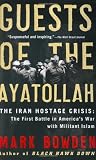
Guests of the Ayatollah: The First Battle in America's War with Militant Islam
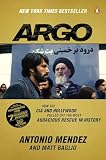
Argo: How the CIA and Hollywood Pulled Off the Most Audacious Rescue in History

444 Days: The Hostages Remember

Taken Hostage: The Iran Hostage Crisis and America's First Encounter with Radical Islam
Impact & Consequences of Iran Hostage Crisis
The Iran Hostage Crisis had far-reaching consequences for both the United States and Iran. For the U.S., it marked a turning point in foreign policy, highlighting the vulnerabilities of American diplomacy in the face of ideological conflicts. The crisis led to the imposition of economic sanctions on Iran and a reevaluation of U.S. strategies in the Middle East. It also significantly impacted domestic politics, contributing to President Jimmy Carter’s electoral defeat and shaping public perception of America’s role on the global stage.
For Iran, the hostage crisis solidified the legitimacy of the new Islamic Republic under Ayatollah Khomeini. It became a rallying point for anti-American sentiment and a symbol of Iran’s defiance against Western influence. The event also strained Iran’s relations with other countries, isolating it diplomatically and economically. The crisis’s legacy continues to influence U.S.-Iran relations, with tensions persisting decades later.
Firsthand Accounts & Memoirs from the Iran Hostage Crisis
The Iran Hostage Crisis has inspired numerous memoirs from the hostages themselves, providing deeply personal insights into their harrowing experiences. These accounts offer a unique perspective on the event, detailing the psychological and physical toll of captivity. Books like "444 Days: The Hostages Remember" compile these narratives, allowing readers to hear directly from those who endured the ordeal.
Memoirs from the hostages often highlight themes of resilience, camaraderie, and survival under extreme conditions. They also shed light on the daily realities of life in captivity, from the monotony of confinement to the moments of hope and despair. These firsthand accounts are invaluable for understanding the human impact of the crisis, making them essential reading for anyone interested in the personal stories behind the headlines.
Operation Eagle Claw & Rescue Attempts
Operation Eagle Claw, launched in April 1980, was a daring attempt by the U.S. military to rescue the hostages in Tehran. The mission ended in disaster when a helicopter collided with a transport plane in the Iranian desert, resulting in the deaths of eight American servicemen. The failure of Operation Eagle Claw was a significant blow to U.S. morale and further complicated efforts to resolve the crisis diplomatically.
The operation’s planning and execution have been the subject of extensive analysis and critique. Books like "Argo" and "Guests of the Ayatollah" provide detailed accounts of the mission, highlighting the challenges and risks involved. The failure of Operation Eagle Claw underscored the difficulties of conducting high-stakes military operations in hostile environments, leaving a lasting impact on U.S. military strategy.
The Iranian Revolution & Broader Context
The Iran Hostage Crisis cannot be fully understood without examining the Iranian Revolution of 1979, which set the stage for the event. The revolution overthrew the Shah of Iran, who was seen as a puppet of Western powers, and established an Islamic Republic under Ayatollah Khomeini. The revolution was fueled by widespread dissatisfaction with the Shah’s authoritarian rule and his perceived subservience to the United States.
The hostage crisis emerged as a direct consequence of the revolution, reflecting the new regime’s anti-American stance and its desire to assert Iran’s independence. Understanding the revolution is essential for grasping the motivations behind the hostage crisis and its lasting impact on U.S.-Iran relations.
Frequently Asked Questions
How many of the 1979 Iranian hostages are still alive?
As of 2023, approximately 40 of the original 52 surviving hostages from the 1979 Iran hostage crisis are still alive.
What is the book about the Iran hostage crisis?
"Guests of the Ayatollah" by Mark Bowden is a comprehensive account of the Iran hostage crisis, detailing the 444-day ordeal of the American hostages.
Why did Iranians take 53 Americans hostage?
The Iranians took 53 Americans hostage in 1979 to protest U.S. support for the deposed Shah of Iran and to demand his extradition from the U.S. for trial.
Did Iran ever take American hostages?
Yes, Iran took 52 American diplomats and citizens hostage in 1979 during the Iran hostage crisis, which lasted 444 days.
What is the book about Iran hostages?
"Taken Hostage" by David Farber provides an in-depth analysis of the Iran hostage crisis, focusing on its political and historical context.
What is the best book about the Iran Revolution 1979?
"The Persian Sphinx" by Amir Taheri is widely regarded as one of the best books about the 1979 Iranian Revolution, offering insights into its causes and consequences.
As an Amazon Associate, we earn from qualifying purchases.