Khmer Rouge Regime: Best Books & Historical Overview
What Was Khmer Rouge Regime?
The Khmer Rouge regime was a brutal communist government that ruled Cambodia from 1975 to 1979 under the leadership of Pol Pot. Its goal was to transform Cambodia into an agrarian utopia by eradicating urban life, modern technology, and Western influence. The regime forcibly evacuated cities, abolished currency, and enforced strict labor camps, leading to widespread starvation, torture, and executions. An estimated 1.7 million people—nearly a quarter of Cambodia’s population—died during this period, making it one of the most devastating genocides of the 20th century.
The Khmer Rouge’s rise to power was fueled by the chaos of the Vietnam War and Cambodia’s internal political instability. After overthrowing the U.S.-backed Lon Nol government, the Khmer Rouge implemented radical policies that targeted intellectuals, professionals, and perceived enemies of the state. The regime’s atrocities were largely hidden from the world until its overthrow by Vietnamese forces in 1979. The legacy of the Khmer Rouge continues to shape Cambodia’s politics, society, and collective memory, serving as a stark reminder of the dangers of extremist ideologies.
Book Comparison at a Glance
| Book | Readability | Depth | Best For |
|---|---|---|---|
| First They Killed My Father | High | Personal account | Readers seeking emotional impact |
| Never Fall Down | High | Narrative-driven | Young adult readers |
| When Broken Glass Floats | Moderate | Comprehensive memoir | Those wanting a balanced view |
| Brother Number One | Low | Academic analysis | History enthusiasts |
| Angkor and the Khmer Civilization | Moderate | Archaeological focus | Readers interested in pre-Khmer Rouge history |
Best Books About Khmer Rouge Regime
The Khmer Rouge regime has been the subject of numerous books, each offering a unique perspective on its history and impact. Below are five essential reads that provide firsthand accounts, scholarly analysis, and historical context.
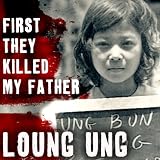
First They Killed My Father: A Daughter of Cambodia Remembers
Never Fall Down
When Broken Glass Floats: Growing Up Under the Khmer Rouge
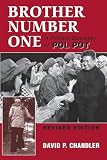
Brother Number One: A Political Biography of Pol Pot
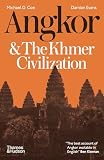
Angkor and the Khmer Civilization
Impact & Consequences of Khmer Rouge Regime
The Khmer Rouge regime left a profound and lasting impact on Cambodia and the world. Its policies of forced labor, mass executions, and cultural destruction decimated the country’s population and infrastructure. The genocide not only wiped out a significant portion of Cambodia’s educated and professional class but also left deep psychological scars on survivors and their descendants.
The regime’s collapse in 1979 did not immediately bring peace, as Cambodia descended into years of civil war and political instability. The Khmer Rouge’s legacy continues to influence Cambodia’s politics, with former members still holding power in some cases. Internationally, the regime’s atrocities have become a symbol of the dangers of totalitarianism and the importance of human rights.
Efforts to address the Khmer Rouge’s crimes have included the establishment of the Extraordinary Chambers in the Courts of Cambodia (ECCC), a tribunal tasked with prosecuting surviving leaders. While these trials have brought some measure of justice, they have also highlighted the challenges of reconciling with such a traumatic past. The Khmer Rouge’s history serves as a cautionary tale about the consequences of unchecked power and ideological extremism.
Frequently Asked Questions
What book is The Killing Fields based on?
The Killing Fields is based on the book The Death and Life of Dith Pran by Sydney Schanberg, which recounts his experiences during the Khmer Rouge regime.
As an Amazon Associate, we earn from qualifying purchases.