Lewis and Clark Expedition: Best Books & Historical Overview
What Was the Lewis and Clark Expedition?
The Lewis and Clark Expedition (1804–1806), also known as the Corps of Discovery Expedition, was a U.S. mission to explore and map the newly acquired Louisiana Purchase and establish a route to the Pacific Ocean. Commissioned by President Thomas Jefferson and led by Meriwether Lewis and William Clark, the team of 33 traveled over 8,000 miles, documenting geography, flora, fauna, and interactions with Native American tribes. Their journey provided critical knowledge about the West, bolstered U.S. territorial claims, and paved the way for westward expansion.
The expedition’s significance lies in its scientific, diplomatic, and exploratory achievements. Lewis and Clark’s detailed journals recorded hundreds of plant and animal species previously unknown to European Americans, while their encounters with Native tribes—though sometimes fraught—established early diplomatic ties. The expedition’s success symbolized American ambition and resilience, becoming a cornerstone of U.S. frontier mythology.
Book Comparison at a Glance
| Book | Readability | Depth | Best For |
|---|---|---|---|
| *Undaunted Courage* | High | Comprehensive | General readers & history buffs |
| *Lewis and Clark among the Indians* | Moderate | Rigorous analysis | Academics & researchers |
| *Lewis & Clark: The Journey* | High | Balanced overview | Casual learners |
| *Meriwether Lewis* | Moderate | Biographical depth | Fans of personal drama |
Best Books About the Lewis and Clark Expedition
The Lewis and Clark Expedition has inspired countless books, but these four stand out for their unique perspectives and authoritative research. Whether you seek a sweeping narrative, scholarly analysis, or a focus on key figures, these titles offer unparalleled insights.
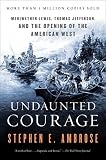
Undaunted Courage: Meriwether Lewis, Thomas Jefferson, and the Opening of the American West
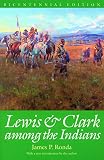
Lewis and Clark among the Indians
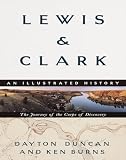
Lewis & Clark: The Journey of the Corps of Discovery
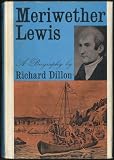
Meriwether Lewis
Impact & Consequences of the Lewis and Clark Expedition
The expedition’s immediate impact was scientific and geopolitical: it mapped uncharted territories, documented ecosystems, and strengthened U.S. claims to the Pacific Northwest. Their reports spurred fur trade expansion and settler migration, accelerating Manifest Destiny. However, this also displaced Native tribes and reshaped ecosystems, with long-term consequences for indigenous sovereignty and biodiversity.
Legacy-wise, Lewis and Clark became symbols of American exploration, celebrated in monuments, curricula, and popular culture. Yet modern scholarship critiques their role in colonialism, emphasizing the need to balance admiration with accountability. Their journals remain invaluable for historians, ecologists, and tribal communities preserving their own histories.
Native American Perspectives on the Lewis and Clark Expedition
The expedition’s success relied heavily on Native knowledge and diplomacy, though interactions ranged from cooperative to contentious. Tribes like the Shoshone (Sacagawea’s people) and Nez Perce provided critical guidance and supplies, while others, like the Blackfeet, clashed with the corps over territorial disputes.
Recent scholarship, like Ronda’s work, highlights Native agency and challenges the myth of universal hospitality. Communication often hinged on sign language or interpreters like Sacagawea, but misunderstandings were common. The expedition’s journals reveal both respect for tribal cultures and ethnocentric biases, reflecting the era’s complexities.
Books Featuring Sacagawea
Sacagawea’s role as interpreter, guide, and symbol of diplomacy makes her a focal point for readers. While none of the four core books center solely on her, Lewis and Clark among the Indians offers the most nuanced portrayal of her contributions and the broader context of Native women’s roles.
Searches for Sacagawea-specific books often lead to titles like Sacajawea by Anna Lee Waldo (a novel) or children’s biographies, but our curated list prioritizes historically rigorous accounts. For primary sources, the expedition journals detail her resilience, such as her calm during a capsizing incident and her reunion with her Shoshone brother.
The Journals of Lewis and Clark
The expedition’s journals—over 5,000 pages—are unparalleled primary sources, detailing daily challenges, scientific discoveries, and tribal encounters. Lewis’s lyrical descriptions of landscapes and Clark’s maps remain foundational for historians and geographers.
Original journals are preserved at the American Philosophical Society and Beinecke Library, with digitized versions widely accessible. They reveal the corps’ adaptability, from crafting dugout canoes to enduring starvation. Modern editions often include annotations clarifying cultural or natural references, enhancing their utility for researchers.
Frequently Asked Questions
What is considered the best book about Lewis and Clark?
Undaunted Courage by Stephen E. Ambrose is widely regarded as the best book about Lewis and Clark, offering a detailed and engaging narrative of their journey.
What is the most accurate Lewis and Clark book?
The Journals of Lewis and Clark, edited by Bernard DeVoto, is considered the most accurate as it compiles the original expedition journals with expert annotations.
What is the best book about Sacagawea?
Sacagawea by Harold P. Howard provides a well-researched and comprehensive account of Sacagawea's life and her role in the expedition.
What is the best book about the Lewis and Clark expedition?
Lewis and Clark: The Journey of the Corps of Discovery by Dayton Duncan and Ken Burns is a highly praised book that complements the documentary and offers a vivid retelling of the expedition.
What is the best Lewis and Clark book?
Undaunted Courage by Stephen E. Ambrose remains the most recommended book for its thorough research and compelling storytelling about the Lewis and Clark expedition.
As an Amazon Associate, we earn from qualifying purchases.