Meiji Restoration: Best Books & Historical Overview
What Was the Meiji Restoration?
The Meiji Restoration (1868) was a pivotal political event in Japanese history that marked the end of the Tokugawa shogunate and the restoration of imperial rule under Emperor Meiji. It initiated the Meiji era (1868–1912), during which Japan transformed from an isolated feudal society into a modern industrialized nation. Key events of the era included the Boshin War (1868–1869), the stripping of samurai privileges (formalized through edicts such as the 1876 Haitōrei sword ban rather than a single abolition), and sweeping political, economic, and social reforms aimed at centralizing power and adopting Western technologies and governance models.
The Restoration’s significance lies in its rapid modernization and Japan’s emergence as a global power. By dismantling the rigid class system, implementing compulsory education, and establishing a constitutional monarchy, Japan avoided colonization and became the first non-Western nation to industrialize successfully. This period laid the foundation for Japan’s imperial expansion in the 20th century and its enduring cultural identity amid modernization.
Book Comparison at a Glance
| Book | Readability | Depth | Best For |
|---|---|---|---|
| *The Making of Modern Japan* | Moderate | Comprehensive synthesis | Readers seeking a balanced overview |
| *The Meiji Restoration* | Low | Rigorous academic focus | Historians and specialists |
| *To Stand with the Nations of the World* | High | Thematic and narrative-driven | General audiences |
| *Emperor of Japan* | Moderate | Deep biographical focus | Fans of Meiji’s personal story |
| *The Japanese Empire* | High | Strategic/political lens | Students of geopolitics |
Best Books About the Meiji Restoration
The Meiji Restoration is richly documented in these five authoritative works, each offering unique perspectives on Japan’s transformation. From sweeping narratives to focused analyses, these books cater to diverse interests, from casual readers to academic researchers.
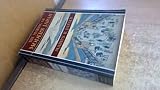
The Making of Modern Japan
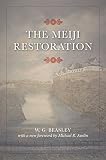
The Meiji Restoration
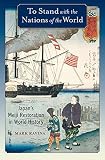
To Stand with the Nations of the World: Japan's Meiji Restoration in World History
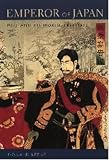
Emperor of Japan: Meiji and His World, 1852-1912
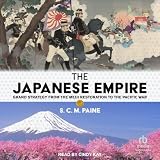
The Japanese Empire: Grand Strategy from the Meiji Restoration to the Pacific War
Impact & Consequences of the Meiji Restoration
The Meiji Restoration’s most immediate impact was Japan’s rapid industrialization and military strengthening, which allowed it to defeat China (1895) and Russia (1905) in wars, shocking the Western world. Domestically, the abolition of feudalism and the introduction of a centralized government, conscription, and land reforms stripped away samurai privileges over the following decade and created a more egalitarian society—at least in theory. The 1889 Meiji Constitution established a parliamentary system, though real power remained with the oligarchy.
Globally, the Restoration demonstrated that non-Western nations could modernize without losing sovereignty, inspiring anti-colonial movements across Asia. However, Japan’s imperialist turn—annexing Korea (1910) and expanding into Manchuria—sowed the seeds for future conflict. Culturally, the tension between Westernization and traditional values persists in Japan today, from debates over monarchy to education reforms.
Books on the End of the Samurai Era
The fall of the samurai is one of the most romanticized aspects of the Meiji Restoration, symbolizing the clash between tradition and progress. While the 1876 Haitōrei edict banned carrying swords, effectively ending samurai privileges, their legacy endured in Japan’s military ethos and popular culture. Books like The Last Samurai (not on this list) mythologize figures like Saigō Takamori, who led the 1877 Satsuma Rebellion against the new government.
For factual accounts, The Making of Modern Japan details the socioeconomic forces that rendered the samurai obsolete, while Emperor of Japan explores Meiji’s role in their dissolution. Searches for "female samurai" or "remaining clans" reflect enduring fascination — while no clan functions as a formal political entity in modern Japan, many retain real cultural and ceremonial standing. The era’s cultural trauma is palpable in literature, from Natsume Sōseki’s novels to Mishima’s critiques of modernity.
Books on Japan's Westernization in the 19th Century
Westernization was both a pragmatic and contentious pillar of the Meiji reforms. The government imported European legal systems, military tactics, and even fashion (the emperor adopted Western dress), while sending students abroad to study technology and governance. Yet as To Stand with the Nations of the World argues, Japan selectively adapted foreign ideas to maintain sovereignty—e.g., blending Prussian constitutionalism with imperial divinity.
Searches like "How did the Japanese view Westernization?" reveal curiosity about cultural resistance, seen in rural uprisings or intellectuals like Fukuzawa Yukichi, who advocated for "civilization and enlightenment." The Japanese Empire links this process to Japan’s later imperialism, as it mimicked Western colonial practices in Asia. The tension between imitation and innovation remains a key theme in histories of the period.
Books Like Shogun Set in the Meiji Period
Fans of James Clavell’s Shogun often seek immersive historical fiction set in later Japanese eras. While none of the five core books here are novels, Emperor of Japan’s vivid biographical style echoes Shogun’s drama, particularly in scenes like Meiji’s move to Edo (renamed Tokyo). Searches for "books like Shogun" reflect demand for stories of cultural collision—a theme central to the Meiji era, as seen in John Blackthorne-esque Western advisors hired by the government.
For novelized accounts, readers might explore The River Ki by Sawako Ariyoshi (not on this list), which depicts Meiji-era family life, or Clouds Above the Hill by Ryōtarō Shiba, a saga of Japan’s modernization. The Restoration’s upheavals—samurai rebellions, telegraph lines cutting through rice fields—offer rich material for fiction, though academic works dominate this page’s recommendations.
Frequently Asked Questions
What Japanese movie is about the Meiji Restoration?
"The Last Samurai" is a popular Japanese movie that depicts events related to the Meiji Restoration.
What were the five results of the Meiji Restoration?
The five key results were the abolition of feudalism, modernization of the military, industrialization, centralization of power, and the adoption of Western technologies and ideas.
Was the Meiji Restoration a good thing?
The Meiji Restoration is generally considered a positive transformation for Japan, as it modernized the country and strengthened its global standing.
What was Japan's modernization called?
Japan's modernization during this period is often referred to as the Meiji Modernization or Meiji Reform.
What is the Meiji Restoration in simple terms?
The Meiji Restoration was a period in Japanese history (1868-1912) when the country underwent rapid modernization and political changes, transitioning from a feudal society to a modern industrialized nation.
As an Amazon Associate, we earn from qualifying purchases.