Mexican Revolution: Best Books & Historical Overview
What Was the Mexican Revolution?
The Mexican Revolution (1910–1920) was a decade-long armed conflict that transformed Mexico’s political, social, and economic landscape. It began as a response to the authoritarian rule of Porfirio Díaz, who had been in power for over 30 years. The revolution was fueled by widespread discontent among peasants, workers, and middle-class intellectuals who sought land reform, labor rights, and democratic governance. Key figures like Emiliano Zapata, Pancho Villa, and Venustiano Carranza emerged as leaders of various factions, each with distinct visions for Mexico’s future.
The revolution unfolded in multiple phases, from the initial uprising against Díaz to the power struggles among revolutionary leaders. It resulted in the drafting of the 1917 Constitution, which remains Mexico’s governing document today. The revolution’s legacy includes significant land redistribution, the rise of agrarian reforms, and the establishment of a more inclusive political system. It also marked the beginning of Mexico’s modern era, influencing its cultural identity and inspiring movements for social justice worldwide.
---
Book Comparison at a Glance
| Book | Readability | Depth | Best For |
|---|---|---|---|
| Zapata and the Mexican Revolution | Moderate | Comprehensive | Serious history readers |
| The Underdogs | High | Narrative-driven | General readers |
| Villa and Zapata | Moderate | Broad overview | History enthusiasts |
| The Life and Times of Pancho Villa | Low | Deeply researched | Academics |
| Memoirs of Pancho Villa | Moderate | Focused on Villa | Biography fans |
Best Books About the Mexican Revolution
The Mexican Revolution has inspired a wealth of literature, from scholarly analyses to gripping narratives. Here are five essential books that provide diverse perspectives on this pivotal event:
Top Nonfiction Books
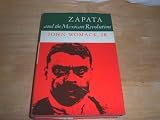
Zapata and the Mexican Revolution
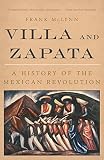
Villa and Zapata: A History of the Mexican Revolution
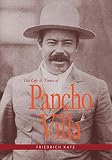
The Life and Times of Pancho Villa
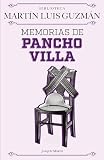
Memoirs of Pancho Villa
Best Historical Fiction & Novels
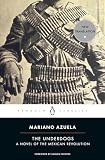
The Underdogs: A Novel of the Mexican Revolution
Impact & Consequences of the Mexican Revolution
The Mexican Revolution had profound and lasting effects on the nation’s social, political, and economic structures. One of its most significant achievements was the redistribution of land to peasants, addressing centuries of inequality under the hacienda system. The 1917 Constitution, born out of the revolution, introduced groundbreaking reforms, including labor rights, secular education, and restrictions on foreign ownership of land. These changes laid the foundation for modern Mexico and inspired similar movements across Latin America.
Socially, the revolution empowered marginalized groups, particularly indigenous communities and rural workers. However, the conflict also caused immense suffering, with an estimated one million lives lost and widespread destruction of infrastructure. The revolution’s legacy is complex, marked by both progress and ongoing struggles for justice. Books like "Zapata and the Mexican Revolution" and "Villa and Zapata" provide detailed analyses of these impacts, while novels like "The Underdogs" capture the human cost of the upheaval.
---
Books About Key Figures in the Mexican Revolution
The Mexican Revolution was shaped by larger-than-life personalities whose stories continue to captivate readers. Emiliano Zapata, the champion of agrarian reform, is immortalized in John Womack Jr.’s "Zapata and the Mexican Revolution." Pancho Villa, the charismatic and controversial military leader, is the focus of Friedrich Katz’s "The Life and Times of Pancho Villa" and Martín Luis Guzmán’s "Memoirs of Pancho Villa." These biographies offer nuanced portrayals of their subjects, blending historical analysis with personal anecdotes.
Porfirio Díaz, the dictator whose ousting sparked the revolution, is often examined in broader historical contexts, such as Frank McLynn’s "Villa and Zapata." Understanding these key figures is essential to grasping the revolution’s complexities, as their actions and ideologies drove the conflict’s trajectory. Readers interested in leadership, strategy, and personal ambition will find these books particularly engaging.
---
Mexican Revolution Books for Different Audiences
The Mexican Revolution appeals to a wide range of readers, from academics to casual enthusiasts. For beginners, Mariano Azuela’s "The Underdogs" offers an accessible entry point, blending historical events with compelling storytelling. Those seeking a deeper dive can turn to John Womack Jr.’s "Zapata and the Mexican Revolution," which provides a thorough yet readable account of agrarian reform.
For younger audiences, there are educational resources tailored to children, though none of the five featured books fall into this category. Beginners interested in biographies might enjoy Martín Luis Guzmán’s "Memoirs of Pancho Villa," which combines historical detail with a personal narrative. Regardless of your level of familiarity, these books offer valuable insights into one of history’s most transformative events.
---
Women in the Mexican Revolution
Women played crucial roles in the Mexican Revolution, both on and off the battlefield. Known as "soldaderas," they fought alongside men, provided logistical support, and maintained communities during the conflict. While none of the five featured books focus exclusively on women, their contributions are often mentioned in broader histories like Frank McLynn’s "Villa and Zapata."
Interest in women’s stories has grown in recent years, leading to the publication of dedicated works on soldaderas and other female revolutionaries. These books highlight the resilience and resourcefulness of women who defied traditional gender roles to shape Mexico’s future. Readers interested in this aspect of the revolution will find these narratives both inspiring and enlightening.
---
Graphic Novels and Visual Histories of the Mexican Revolution
Visual formats like graphic novels and photography books offer unique perspectives on the Mexican Revolution. While none of the five featured books fall into this category, such works bring the era to life through vivid illustrations and archival images. They are particularly effective at conveying the revolution’s chaos and heroism to younger or visually oriented audiences.
Photography books capture the revolution’s stark realities, from battle scenes to everyday life, while graphic novels often focus on personal stories or key events. These formats complement traditional histories, providing a more immersive experience for readers interested in the revolution’s visual and emotional dimensions.
---
The Zapatista Movement
The Zapatista movement, led by Emiliano Zapata, was a cornerstone of the Mexican Revolution, advocating for land reform and indigenous rights. John Womack Jr.’s "Zapata and the Mexican Revolution" is the definitive account of this movement, exploring its origins, strategies, and legacy. Zapata’s famous slogan, "Tierra y Libertad" (Land and Liberty), encapsulates the movement’s goals and its enduring influence on Mexican politics.
The Zapatista movement remains a symbol of grassroots resistance and social justice, inspiring activists worldwide. Readers interested in agrarian reform, indigenous rights, and revolutionary leadership will find Womack’s book an essential resource. Its detailed analysis and engaging narrative make it accessible to both scholars and general readers.
---
Frequently Asked Questions
What is the best book about the Mexican Revolution?
"The Mexican Revolution: A Short History 1910-1920" by Stuart Easterling is widely regarded as one of the best comprehensive overviews of the conflict.
Who were the bad guys in the Mexican Revolution?
The Mexican Revolution was a complex conflict without clear "bad guys," but the dictatorship of Porfirio Díaz and later factions like Victoriano Huerta's regime were widely opposed by revolutionaries.
Is the book The Underdogs about the Mexican Revolution fiction or nonfiction?
"The Underdogs" by Mariano Azuela is a fictional novel that portrays the Mexican Revolution through the eyes of peasant fighters.
What was the famous Mexican Revolution?
The Mexican Revolution (1910-1920) was a major armed struggle that overthrew dictator Porfirio Díaz and transformed Mexico's government and society.
What is the best book about Pancho Villa?
"Pancho Villa: A Biography" by Friedrich Katz is considered the most authoritative English-language biography of the revolutionary leader.
As an Amazon Associate, we earn from qualifying purchases.