Oregon Trail: Best Books & Historical Overview
What Was the Oregon Trail?
The Oregon Trail was a 2,170-mile (3,490 km) historic east-west wagon route and emigrant trail that connected the Missouri River to valleys in Oregon during the mid-19th century. From roughly 1840 to 1869, over 400,000 pioneers traveled this route seeking land, opportunity, and a better life in the West. The journey typically took 4-6 months, with travelers facing harsh terrain, disease, and unpredictable weather.
The trail was a critical part of America's westward expansion, symbolizing Manifest Destiny and shaping the demographic and economic future of the western United States. It facilitated the settlement of Oregon, California, and other western territories, while also displacing Native American tribes and altering ecosystems. Today, the Oregon Trail is remembered as both a testament to human perseverance and a complex chapter in U.S. history.
Book Comparison at a Glance
| Book | Readability | Depth | Best For |
|---|---|---|---|
| The Oregon Trail: A New American Journey | High | Deeply researched | Readers who want adventure |
| Where the Lost Wander | High | Light | Fiction lovers |
| Across the Wide and Lonesome Prairie | Moderate | Balanced | Middle-grade learners |
| Your Life as a Pioneer | Moderate | Introductory | Kids & educators |
| Women's Diaries of the Westward Journey | Low | Comprehensive | Academic readers |
Best Books About the Oregon Trail
The Oregon Trail has inspired countless books, from gripping nonfiction accounts to immersive historical fiction. Whether you're looking for scholarly analysis or a personal story of survival, these five books offer diverse perspectives on this pivotal migration.
Top Nonfiction Books
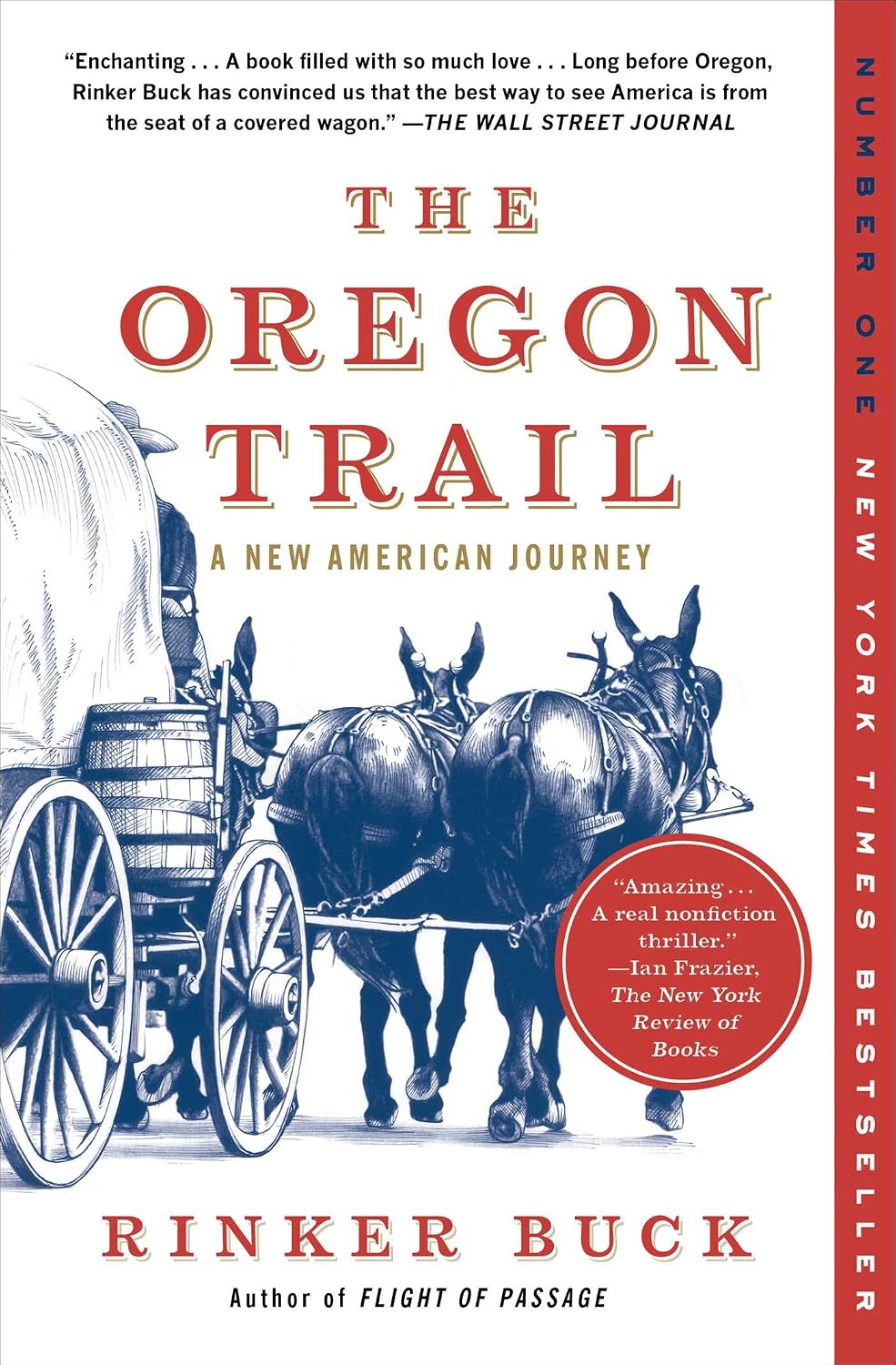
The Oregon Trail: A New American Journey
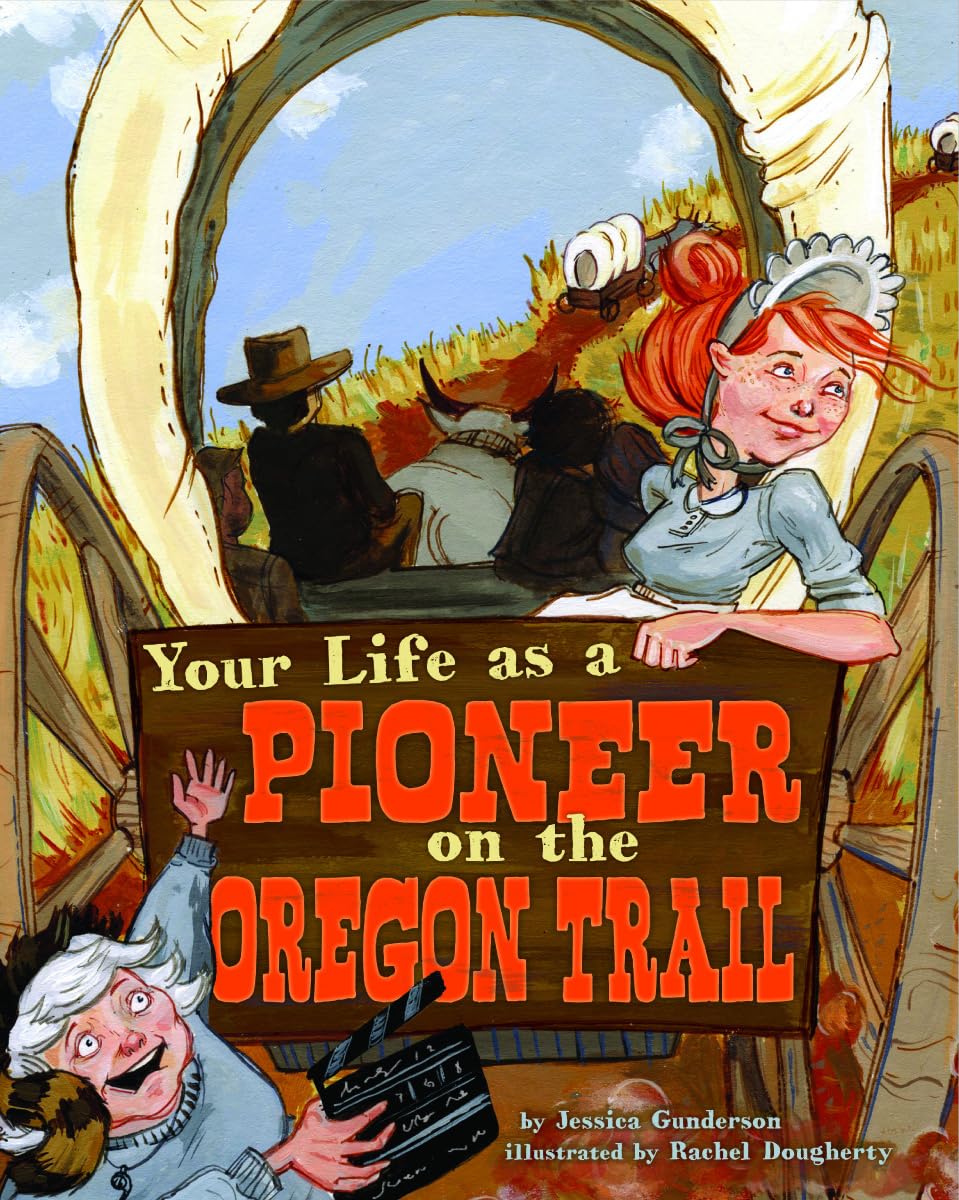
Your Life as a Pioneer on the Oregon Trail
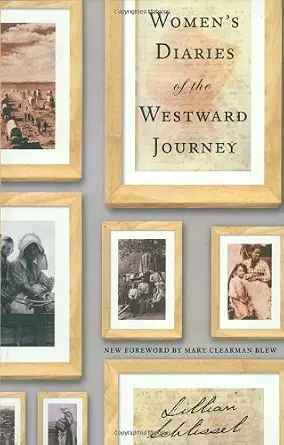
Women's Diaries of the Westward Journey
Best Historical Fiction & Novels
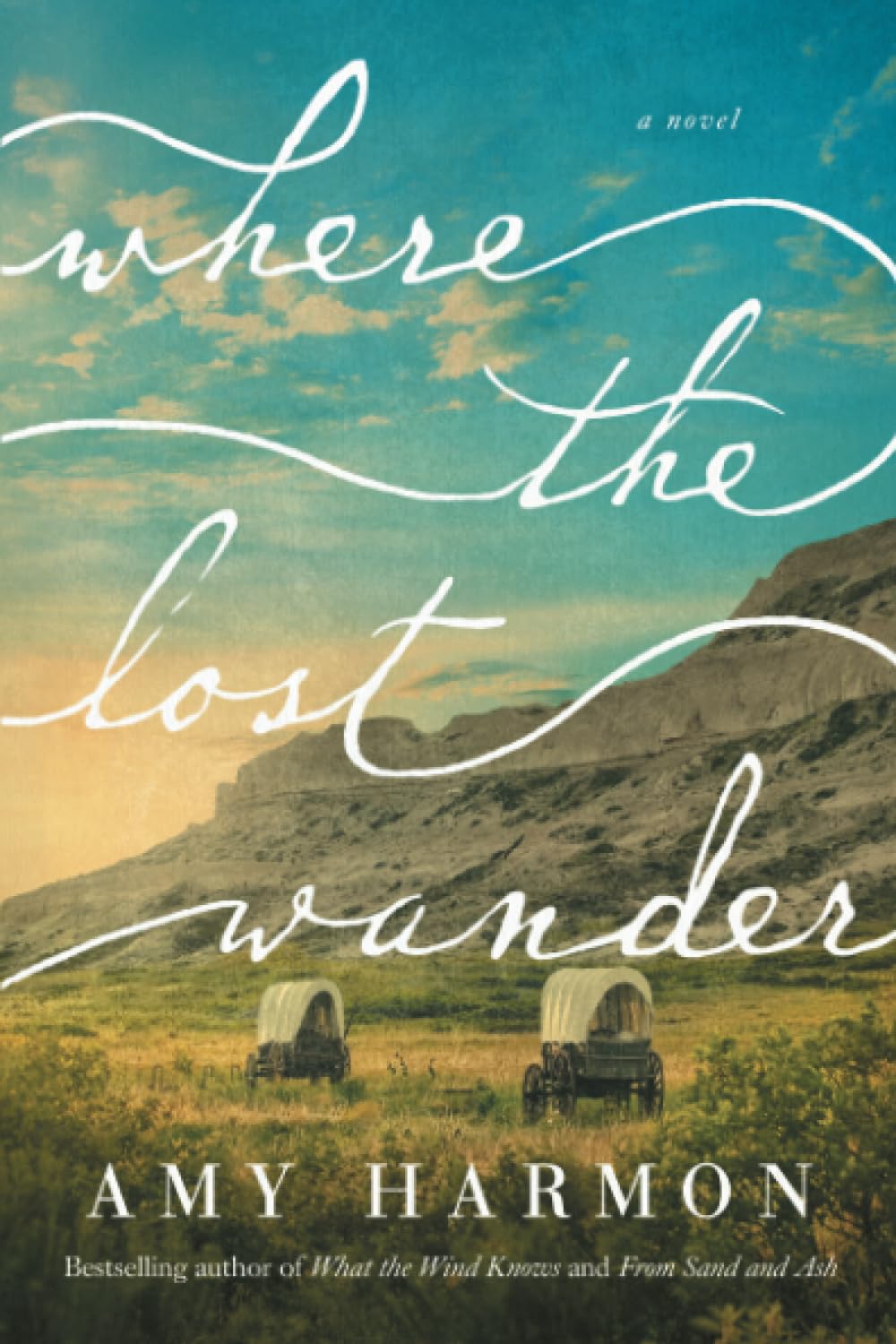
Where the Lost Wander

Across the Wide and Lonesome Prairie: The Oregon Trail Diary of Hattie Campbell
Impact & Consequences of the Oregon Trail
The Oregon Trail dramatically reshaped the United States, accelerating westward expansion and the displacement of Native American tribes. Settlers brought new cultures, economies, and conflicts to the West, while the trail itself became a symbol of American determination and opportunity. The migration also led to the establishment of new states and the growth of cities like Portland and Sacramento.
However, the trail's legacy is mixed. While it enabled thousands to build new lives, it also contributed to environmental degradation and the violent removal of Indigenous peoples from their lands. Diseases introduced by travelers decimated Native populations, and the trail's success paved the way for the transcontinental railroad, further transforming the West. Today, the Oregon Trail serves as a reminder of both pioneering spirit and the costs of expansion.
Frequently Asked Questions
What is the best book about the Oregon Trail?
"The Oregon Trail: A New American Journey" by Rinker Buck is widely regarded as one of the best books about the Oregon Trail, offering a modern retelling of the historic journey.
How many books are in the Oregon Trail series?
The original "Oregon Trail" book series by Jesse Wiley consists of 4 interactive choose-your-own-adventure style books aimed at younger readers.
Is the Oregon Trail appropriate for kids?
Yes, many books about the Oregon Trail are written for younger audiences, such as the "You Choose: The Oregon Trail" series, which is designed for kids aged 8-12.
Is Oregon Trail appropriate for kids?
Yes, age-appropriate books like "The Oregon Trail" by Mel Friedman (Scholastic) provide educational and engaging content for children about the historic journey.
As an Amazon Associate, we earn from qualifying purchases.