Pompeii Eruption: Best Books & Historical Overview
What Was Pompeii Eruption?
The eruption of Mount Vesuvius in 79 AD was one of the deadliest volcanic disasters in history, burying the Roman cities of Pompeii, Herculaneum, and several nearby settlements under layers of ash, pumice, and volcanic debris. The eruption occurred over two days, with a pyroclastic surge reaching temperatures of 300°C (572°F) and moving at 100 km/h (62 mph), instantly killing thousands. Pompeii, a thriving commercial hub, was preserved under 4-6 meters (13-20 feet) of volcanic material, creating an unparalleled archaeological snapshot of Roman life.
This event matters because the exceptional preservation of Pompeii and Herculaneum offers historians, archaeologists, and the public an unprecedented window into daily life in the Roman Empire. The eruption’s aftermath also influenced Roman literature, engineering, and disaster preparedness, with Pliny the Younger’s letters providing the first detailed eyewitness account of a volcanic eruption. Today, the sites attract millions of visitors and remain central to studies of ancient history, volcanology, and preservation techniques.
Book Comparison at a Glance
| Book | Readability | Depth | Best For |
|---|---|---|---|
| "Pompeii: The Life of a Roman Town" | Moderate | Scholarly but lively | Readers wanting balanced insight |
| "Pompeii" by Robert Harris | High | Dramatic depth | Fans of historical thrillers |
| "The Complete Pompeii" | Moderate | Encyclopedic | Serious students/researchers |
| "I Survived the Destruction of Pompeii" | High | Introductory | Young readers/newcomers |
| "A Day of Fire" | High | Vivid storytelling | Fiction lovers seeking drama |
Best Books About Pompeii Eruption
The following books offer diverse perspectives on the Pompeii eruption, from scholarly analyses to gripping fictional retellings. Whether you're a history buff, a student, or a casual reader, these titles provide unparalleled insights into the disaster and its aftermath.
Top Nonfiction Books
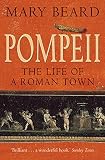
Pompeii: The Life of a Roman Town

The Complete Pompeii
Best Historical Fiction & Novels
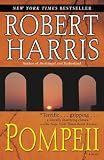
Pompeii
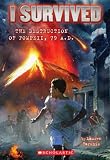
I Survived the Destruction of Pompeii, AD 79
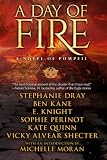
A Day of Fire: A Novel of Pompeii
Impact & Consequences of Pompeii Eruption
The eruption’s immediate effects were catastrophic: an estimated 16,000 people died, and the region’s economy collapsed. The pyroclastic flows carbonized organic matter, preserving human remains in haunting "death casts" that reveal victims’ final moments. Long-term, the disaster spurred Roman advancements in geology and urban planning, though the cities were abandoned for centuries.
Modern research uses Pompeii’s ruins to study volcanic hazards, with "impact maps" showing how the eruption’s phases affected different areas. Searches like "Pompeii eruption impact on humans" reflect interest in the human toll, while studies of Vesuvius’s magma composition answer "What caused the eruption?"—key to predicting future events. The sites also revolutionized archaeology, offering insights into Roman diet, medicine, and social hierarchies.
Pompeii & Herculaneum: Books Covering Both Cities
Herculaneum, a wealthier seaside town, was buried deeper than Pompeii by the eruption, preserving wooden structures and even scrolls carbonized by the heat. While Pompeii’s scale makes it more famous, Herculaneum’s elite villas and intact organic remains attract scholars. Books like The Complete Pompeii often include Herculaneum comparisons, addressing questions like "Why is Herculaneum not as famous?"—its excavation was slower due to the hardened rock layer.
Visitors frequently ask, "Can you do both Pompeii and Herculaneum in one day?" due to their proximity (12 km apart). The contrasting preservation styles—Pompeii’s sprawling public spaces versus Herculaneum’s intimate homes—make them complementary. Searches for "Pompeii Herculaneum books" reflect demand for guides covering both, as their combined stories provide a fuller picture of the disaster.
Daily Life in Pompeii Before the Eruption
Pompeii’s ruins reveal astonishing details about Roman life, from fast-food thermopolia to erotic frescoes. Books focusing on daily life analyze preserved artifacts like carbonized eggs and medical tools, answering questions like "How was life like in Pompeii?" The city’s graffiti—ranging from political slogans to love notes—offers unfiltered voices of ordinary people.
Queries like "What embarrassing things were found in Pompeii?" often refer to its brothels or phallic symbols, but these were mundane in Roman culture. The eruption froze moments mid-action: bread in ovens, coins on counters. This unparalleled preservation makes Pompeii a unique resource for historians, inspiring both academic studies and fictional works about its vibrant, doomed society.
Eyewitness Accounts: Pliny the Younger's Letters
Pliny the Younger’s letters to Tacitus are the only surviving eyewitness account of Vesuvius’s eruption, describing his uncle Pliny the Elder’s fatal rescue mission and his own escape from Misenum. His vivid descriptions of the ash cloud—"like an umbrella pine"—and panicked crowds are quoted in nearly every Pompeii book. Searches for "Pliny the Younger Pompeii letter translation" highlight enduring fascination with this primary source.
Pliny’s letters also reveal Roman attitudes toward disasters, blending scientific curiosity with superstition. While no standalone "Pliny the Younger Pompeii book" exists among our core titles, Pompeii: The Life of a Roman Town and The Complete Pompeii analyze his account extensively. His narrative remains foundational for understanding the eruption’s timeline and human impact.
Frequently Asked Questions
What is the best book about Pompeii?
"The Fires of Vesuvius: Pompeii Lost and Found" by Mary Beard is widely regarded as the best book about Pompeii, offering a comprehensive and engaging exploration of the city's history and the eruption.
What is a disturbing fact about Pompeii?
Many victims of the eruption were preserved in agonizing poses, their bodies encased in volcanic ash that hardened around them, leaving haunting plaster casts that reveal their final moments.
What to read before visiting Pompeii?
"Pompeii: The Life of a Roman Town" by Mary Beard is an excellent primer, providing historical context and vivid descriptions of daily life in Pompeii before the eruption.
How much of Pompeii still lies buried today?
Approximately one-third of Pompeii remains unexcavated, with archaeologists deliberately leaving parts buried to preserve them for future generations with better technology.
What embarrassing things were found in Pompeii?
Numerous erotic artifacts, including frescoes, statues, and even graffiti, were uncovered, revealing a surprisingly open attitude toward sexuality in ancient Roman culture.
Is Mount Vesuvius likely to erupt again?
Yes, Mount Vesuvius is still an active volcano and is considered one of the most dangerous in the world due to its history of violent eruptions and the dense population living nearby.
As an Amazon Associate, we earn from qualifying purchases.