Sack of Constantinople: Best Books & Historical Overview
What Was Sack of Constantinople?
The Sack of Constantinople refers to two pivotal events in medieval history: the Fourth Crusade's siege and looting of the city in 1204 and the Ottoman Empire's conquest in 1453. The 1204 sack occurred when Crusaders, diverted from their original mission to reclaim Jerusalem, attacked and plundered the Christian city, leading to the fragmentation of the Byzantine Empire. The 1453 event marked the fall of Constantinople to the Ottoman Sultan Mehmed II, ending the Byzantine Empire and establishing Ottoman dominance in the region. These events are significant for their profound impact on European and Middle Eastern history, reshaping political, cultural, and religious landscapes.
The 1204 sack is particularly controversial because it involved Christian Crusaders attacking a fellow Christian city, driven by political and financial motives. The 1453 fall, on the other hand, symbolized the end of medieval Christendom's eastern bulwark and the rise of the Ottoman Empire as a major power. Both events are remembered for their brutality, the destruction of priceless artifacts, and their lasting consequences on global history.
Book Comparison at a Glance
| Book | Readability | Depth | Best For |
|---|---|---|---|
| 1453: The Holy War for Constantinople and the Clash of Islam and the West | High | Comprehensive | General readers |
| Constantinople: Capital of Byzantium | Moderate | Detailed | Academics |
| The Fourth Crusade and the Sack of Constantinople | Moderate | Rigorous | History enthusiasts |
| The Fall of Constantinople 1453 | Moderate | Balanced | Beginners |
Best Books About Sack of Constantinople
The Sack of Constantinople has been the subject of numerous historical works, each offering unique perspectives and insights. Below are four essential books that provide authoritative accounts of these transformative events.
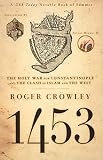
1453: The Holy War for Constantinople and the Clash of Islam and the West
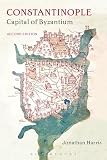
Constantinople: Capital of Byzantium
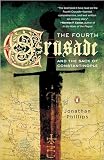
The Fourth Crusade and the Sack of Constantinople
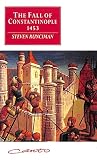
The Fall of Constantinople 1453
Impact & Consequences of Sack of Constantinople
The Sack of Constantinople had far-reaching consequences that reshaped the medieval world. The 1204 sack led to the fragmentation of the Byzantine Empire, with Latin Crusaders establishing the Latin Empire in Constantinople. This event weakened Byzantine power and contributed to its eventual decline. The destruction of priceless artifacts and manuscripts during the sack was a significant cultural loss, erasing centuries of knowledge and heritage.
The 1453 fall marked the end of the Byzantine Empire and the rise of the Ottoman Empire as a dominant force in the region. The conquest had profound implications for Europe, prompting fears of Ottoman expansion and influencing the Renaissance by driving Greek scholars westward. The event also symbolized the shift of power from Christian Byzantium to the Islamic Ottoman Empire, altering the religious and political dynamics of the Mediterranean.
Venetian Role in the Sack of Constantinople
Venice played a pivotal and controversial role in the Fourth Crusade’s diversion to Constantinople. Venetian leaders, particularly Doge Enrico Dandolo, saw an opportunity to expand their influence and secure financial gains by redirecting the Crusade. Venice provided ships and logistical support, but their primary motivation was to settle debts owed by the Crusaders and assert control over Byzantine trade routes.
The Venetian involvement in the sack of 1204 remains a subject of historical debate. While some argue that Venice acted out of necessity to ensure the Crusade’s success, others criticize their role in the destruction of a Christian city. The aftermath saw Venice gain significant territories and wealth, solidifying its position as a major maritime power in the Mediterranean.
Primary Sources & Historical Accounts
The Sack of Constantinople is well-documented in primary sources, offering valuable insights into the events and their aftermath. Contemporary accounts from both Byzantine and Crusader perspectives provide contrasting narratives of the 1204 sack. Notable sources include the chronicles of Geoffrey de Villehardouin and Nicetas Choniates, which detail the brutality and looting of the city.
For the 1453 fall, Ottoman and Byzantine accounts, such as those by Kritovoulos and Doukas, offer firsthand descriptions of the siege and conquest. These primary sources are essential for historians seeking to understand the motivations, strategies, and consequences of these pivotal events. The wealth of documentation ensures that the Sack of Constantinople remains a richly studied topic in medieval history.
Controversy of the Fourth Crusade
The Fourth Crusade’s diversion to Constantinople is one of the most controversial episodes in Crusading history. Originally intended to reclaim Jerusalem, the Crusade was redirected to attack a Christian city, driven by political and financial motives. This betrayal of the Crusade’s mission led to widespread condemnation, with Pope Innocent III excommunicating the Crusaders for their actions.
The controversy extends to the long-term consequences of the sack. The fragmentation of the Byzantine Empire weakened Christendom’s eastern defenses, making it more vulnerable to Ottoman expansion. The destruction of cultural and religious artifacts further deepened the sense of betrayal and loss. The Fourth Crusade remains a cautionary tale of how political and financial interests can undermine noble causes.
Frequently Asked Questions
Did the pope apologize for the sack of Constantinople?
Pope Innocent III initially condemned the sack and excommunicated the Crusaders, but there is no record of a formal apology.
What is the best book about the siege of Constantinople?
"1453: The Holy War for Constantinople and the Clash of Islam and the West" by Roger Crowley is widely regarded as the best book on the subject.
What is considered the best book on the Fourth Crusade?
"The Fourth Crusade and the Sack of Constantinople" by Jonathan Phillips offers an authoritative account of the Crusades’ most controversial episode.
Why is the Fourth Crusade so controversial?
The Fourth Crusade is controversial because Crusaders attacked a Christian city, Constantinople, instead of reclaiming Jerusalem, driven by political and financial motives.
As an Amazon Associate, we earn from qualifying purchases.