Salem Witch Trials: Best Books & Historical Overview
Nineteen hangings born from fear, rumor, and a village turning on itself
What Were the Salem Witch Trials?
The Salem Witch Trials were a series of hearings and prosecutions of people accused of witchcraft in colonial Massachusetts between February 1692 and May 1693. The trials began after a group of young girls in Salem Village (now Danvers) claimed to be possessed by the devil and accused several local women of witchcraft. The hysteria quickly spread, leading to over 200 accusations and the execution of 20 people—19 by hanging and one by pressing. The majority of those accused were women, but men and even children were also targeted.
The trials were fueled by a combination of religious extremism, social tensions, and fear of the unknown. Puritan beliefs dominated the community, and any deviation from strict religious norms was seen as evidence of witchcraft. The trials ended abruptly when the governor of Massachusetts intervened, disbanding the court and pardoning those still imprisoned. The Salem Witch Trials remain a stark reminder of the dangers of mass hysteria, religious fanaticism, and the failure of due process. They are often cited as a cautionary tale about the consequences of fear-driven justice.
Book Comparison at a Glance
| Book | Readability | Depth | Best For |
|---|---|---|---|
| The Witches | High | Comprehensive | General readers |
| The Crucible | High | Allegorical | Literature lovers |
| A Fever in Salem | High | Analytical | Medical history enthusiasts |
| In the Devil's Snare | Low | In-depth | Academics |
| Salem Possessed | Moderate | Analytical | History buffs |
Best Books About the Salem Witch Trials
The Salem Witch Trials have inspired numerous books that explore the events from different angles. Below are five highly recommended works that provide a range of perspectives, from scholarly analysis to gripping narratives.
Top Nonfiction Books
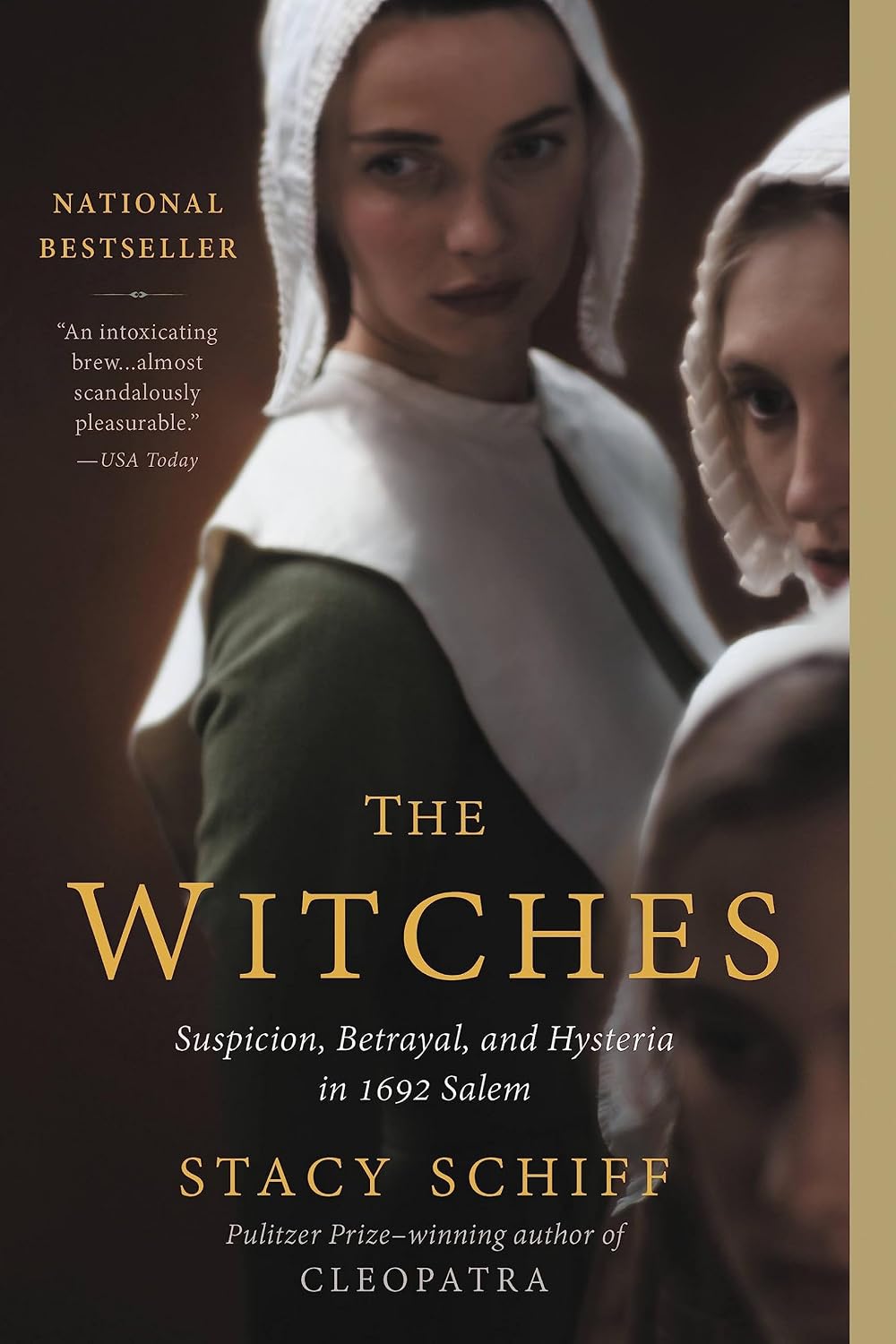
The Witches: Salem, 1692
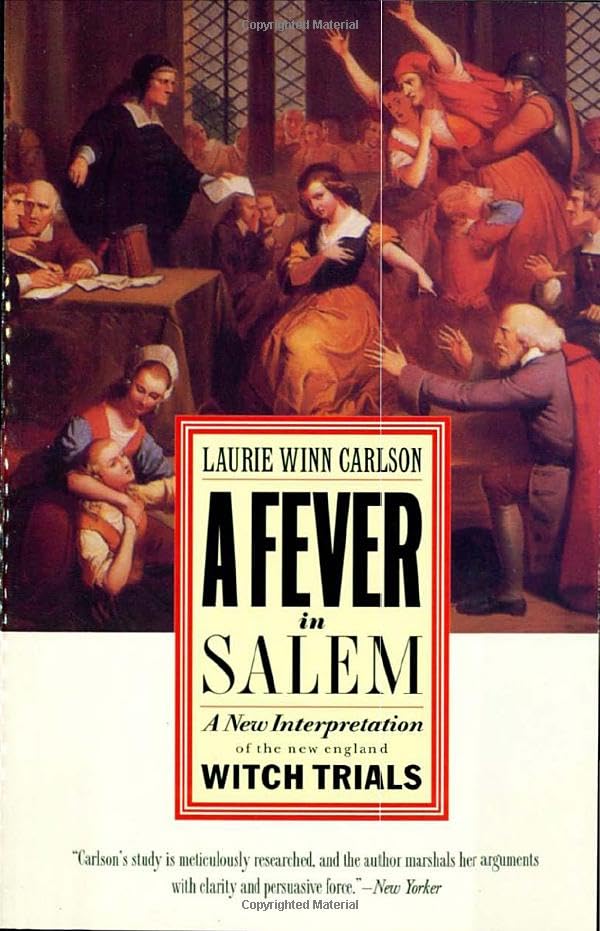
A Fever in Salem: A New Interpretation of the New England Witch Trials
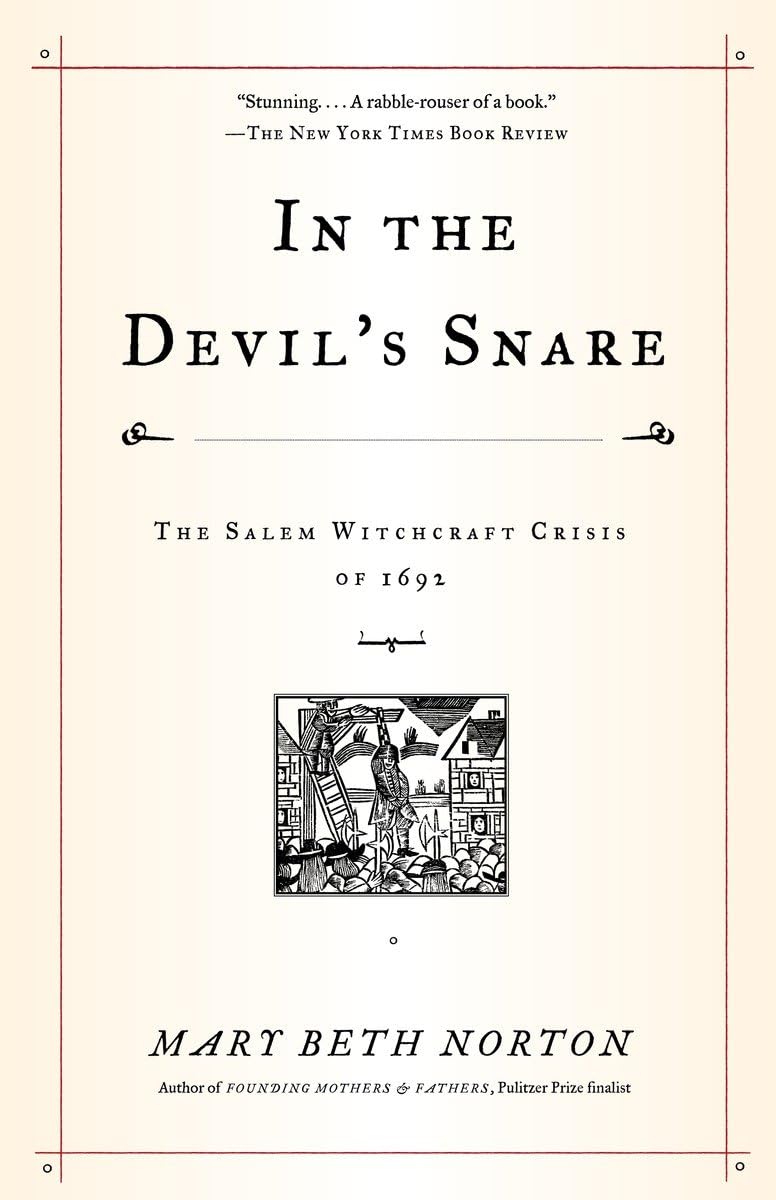
In the Devil's Snare: The Salem Witchcraft Crisis of 1692
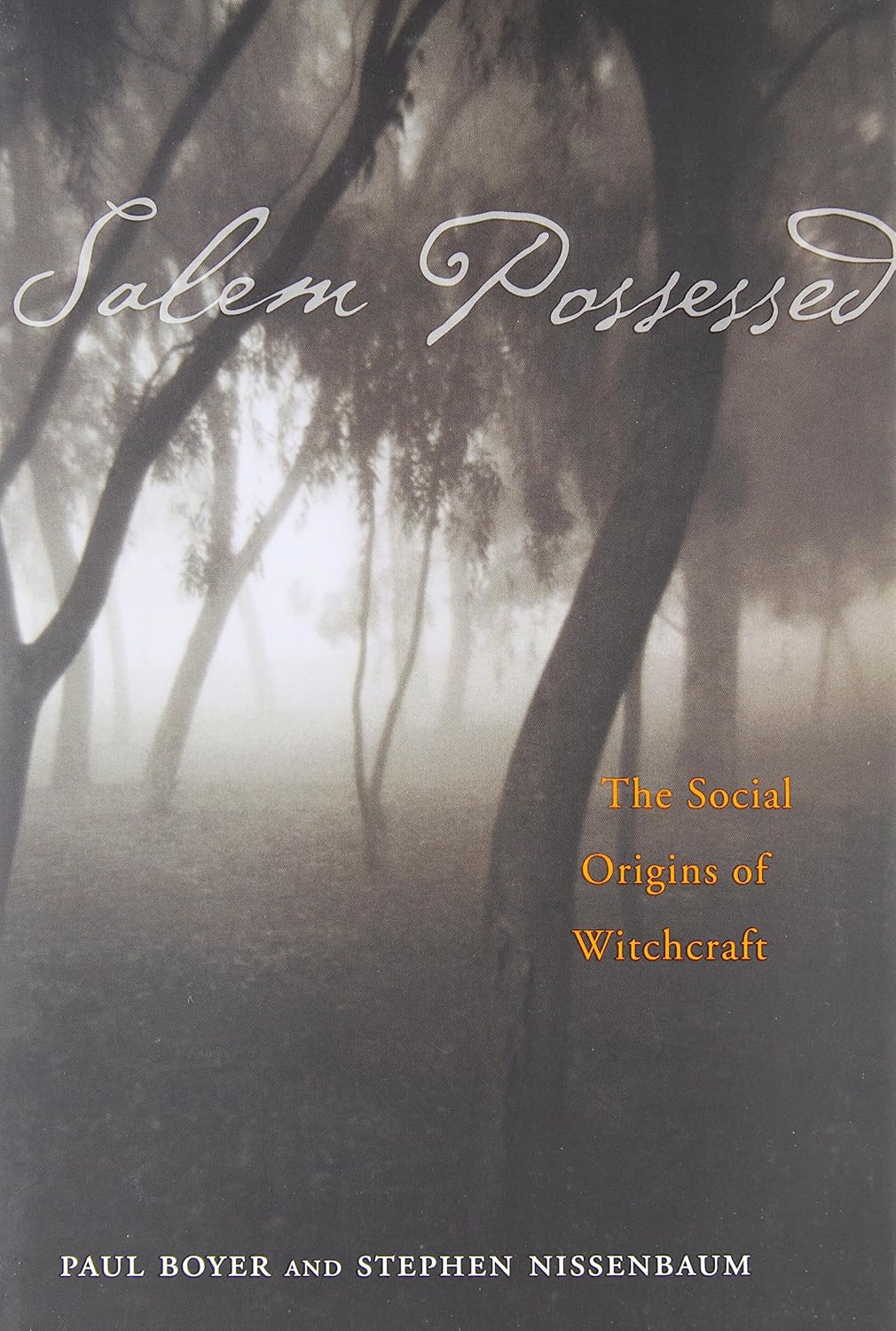
Salem Possessed: The Social Origins of Witchcraft
Best Historical Fiction & Novels
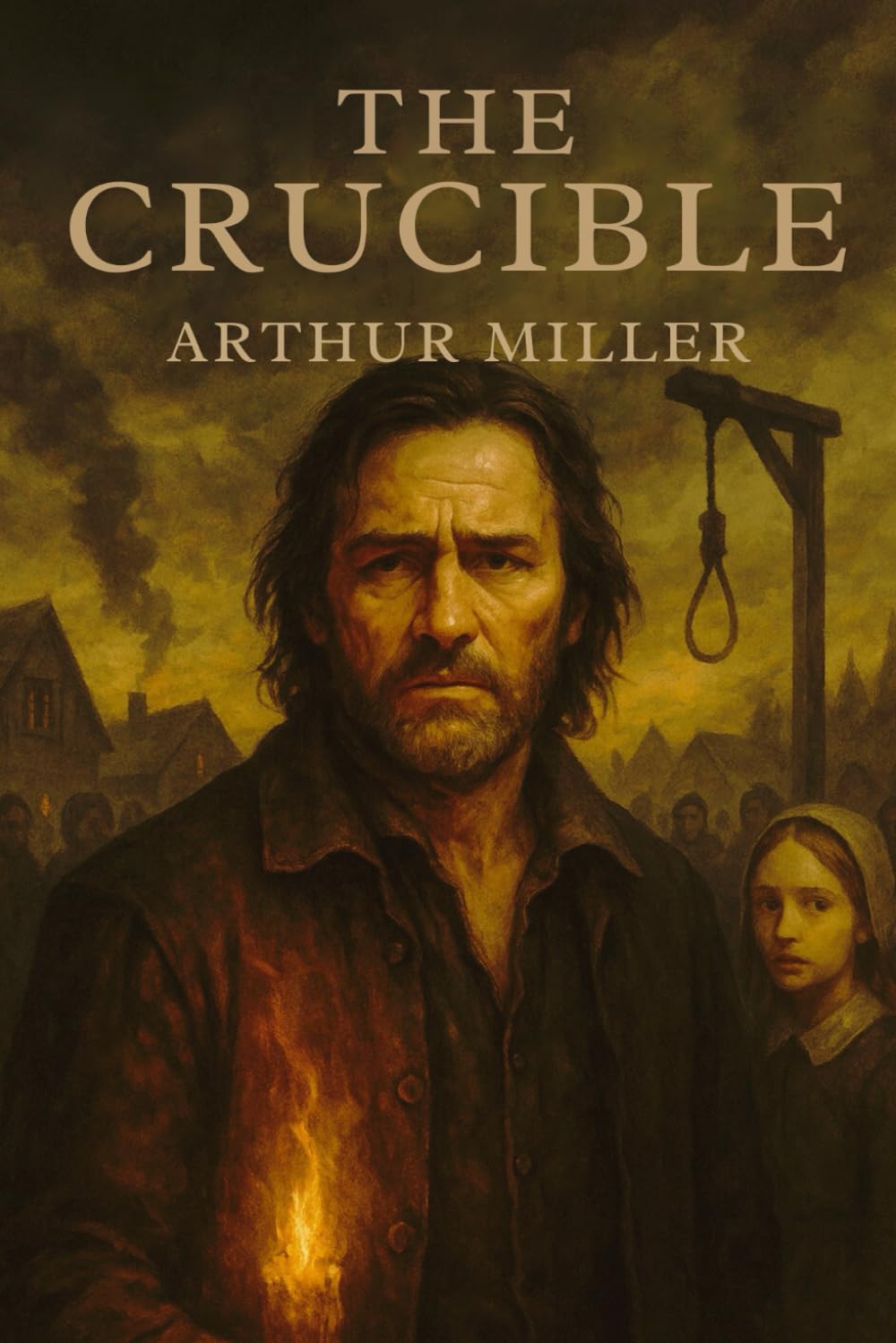
The Crucible
Impact & Consequences of the Salem Witch Trials
The Salem Witch Trials had profound and lasting impacts on American society and its legal system. Culturally, they serve as a cautionary tale about the dangers of mass hysteria and the consequences of unchecked fear. The trials have been referenced in countless works of literature, film, and theater, often symbolizing the perils of intolerance and injustice. The cultural impact of the Salem Witch Trials continues to resonate, reminding us of the importance of due process and the need to protect individual rights.
Legally, the trials led to significant changes in the American judicial system. The reliance on spectral evidence (testimony about dreams and visions) was discredited, and the concept of "innocent until proven guilty" became more firmly entrenched. The trials also highlighted the need for stricter standards of evidence and the importance of separating church and state. These legal reforms laid the groundwork for the protections enshrined in the U.S. Constitution and Bill of Rights.
The Salem Witch Trials also had a lasting impact on the communities involved. Families of the accused faced stigma and economic hardship, and the trials left deep scars on the collective memory of the region. In the centuries since, efforts have been made to reconcile and honor the victims, including the erection of memorials and the exoneration of those wrongfully convicted. The trials remain a powerful reminder of the need for vigilance against injustice and the importance of learning from history.
Frequently Asked Questions
What are the two famous books of Salem?
The two most famous books about the Salem witch trials are The Crucible by Arthur Miller and Salem Possessed by Paul Boyer and Stephen Nissenbaum.
What is the most accurate book about the Salem witch trials?
The Salem Witch Trials: A Day-by-Day Chronicle of a Community Under Siege by Marilynne K. Roach is widely regarded as the most accurate and comprehensive book on the subject.
Is The Witches Salem 1692 fiction or nonfiction?
The Witches: Salem, 1692 by Stacy Schiff is a nonfiction book that meticulously details the events of the Salem witch trials.
What is the best book about the Salem witch trials?
Many consider A Storm of Witchcraft: The Salem Trials and the American Experience by Emerson W. Baker to be the best book for understanding the broader impact and historical context of the Salem witch trials.
As an Amazon Associate, we earn from qualifying purchases.