Scramble for Africa: Best Books & Historical Overview
What Was the Scramble for Africa?
The Scramble for Africa (1881–1914) was the rapid colonization and annexation of African territories by European powers during the late 19th and early 20th centuries. Triggered by industrialization, nationalism, and competition for resources, European nations—including Britain, France, Germany, Belgium, and Portugal—partitioned nearly 90% of Africa at the 1884–85 Berlin Conference, often with little regard for existing ethnic or political boundaries. This period transformed Africa's political landscape, imposed colonial economies, and entrenched systems of exploitation that shaped the continent's modern trajectory.
The Scramble matters because it institutionalized colonial rule, disrupted indigenous societies, and extracted wealth and labor through forced systems like the Congo Free State's rubber trade. It also sowed seeds for future conflicts, including post-independence border disputes and economic dependencies. Understanding this era is key to analyzing contemporary African geopolitics and global inequality.
Book Comparison at a Glance
| Book | Readability | Depth | Best For |
|---|---|---|---|
| The Scramble for Africa: White Man's Conquest of the Dark Continent from 1876 to 1912 | Moderate | Comprehensive overview | General readers & students |
| King Leopold's Ghost | High | Deep dive on Congo | Casual readers |
| Africa and the Victorians | Moderate | Theoretically rigorous | Academics & researchers |
| The Partition of Africa 1880–1900 | Moderate | Detailed political analysis | Students of international relations |
| The African Slave Trade | High | Broad historical sweep | Readers seeking background |
Best Books About the Scramble for Africa
The Scramble for Africa has inspired works ranging from sweeping histories to searing critiques. Below are essential books offering diverse perspectives on this pivotal era.
Top Nonfiction Books
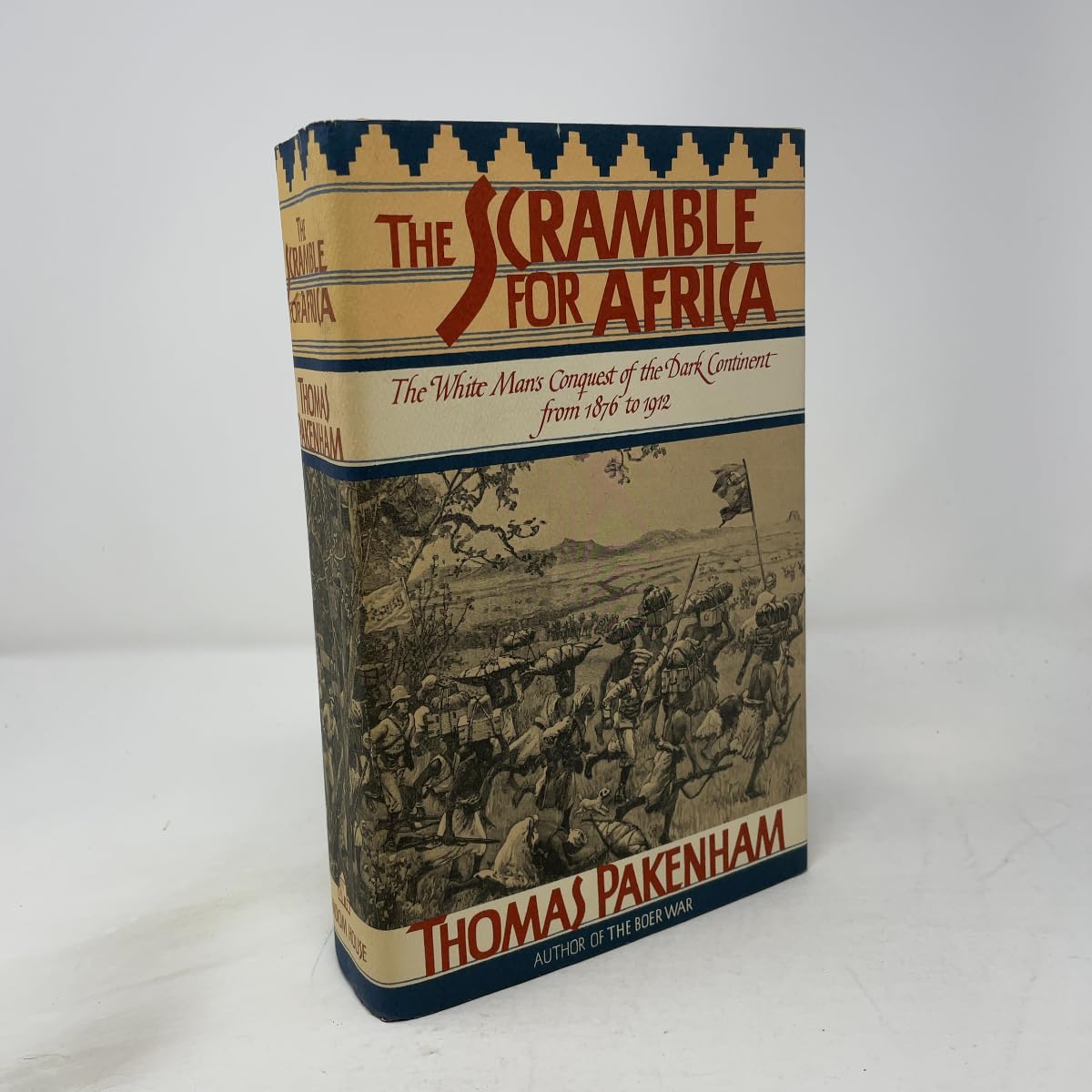
The Scramble for Africa: White Man's Conquest of the Dark Continent from 1876 to 1912
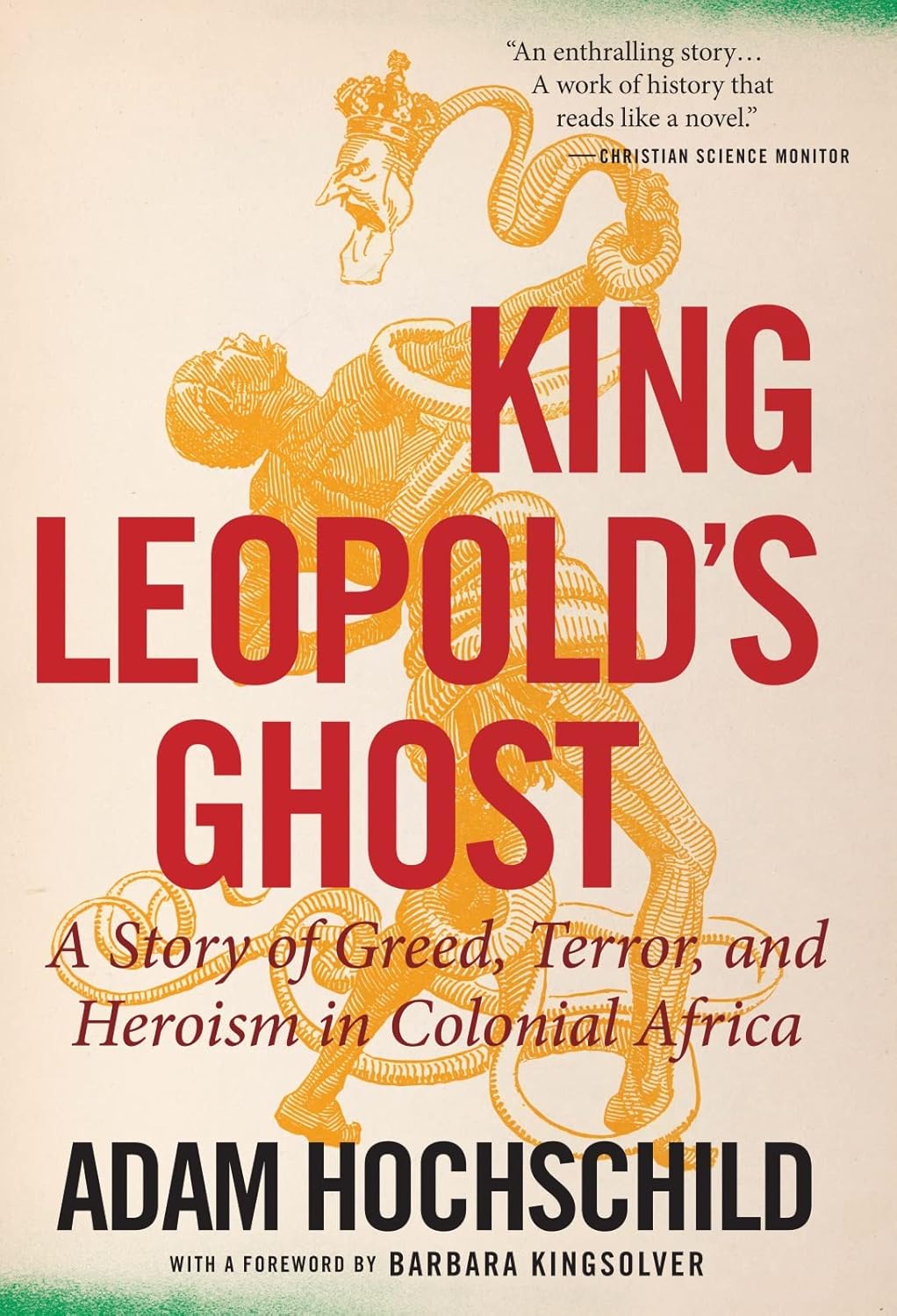
King Leopold's Ghost: A Story of Greed, Terror, and Heroism in Colonial Africa
Africa and the Victorians: The Official Mind of Imperialism
The Partition of Africa 1880–1900
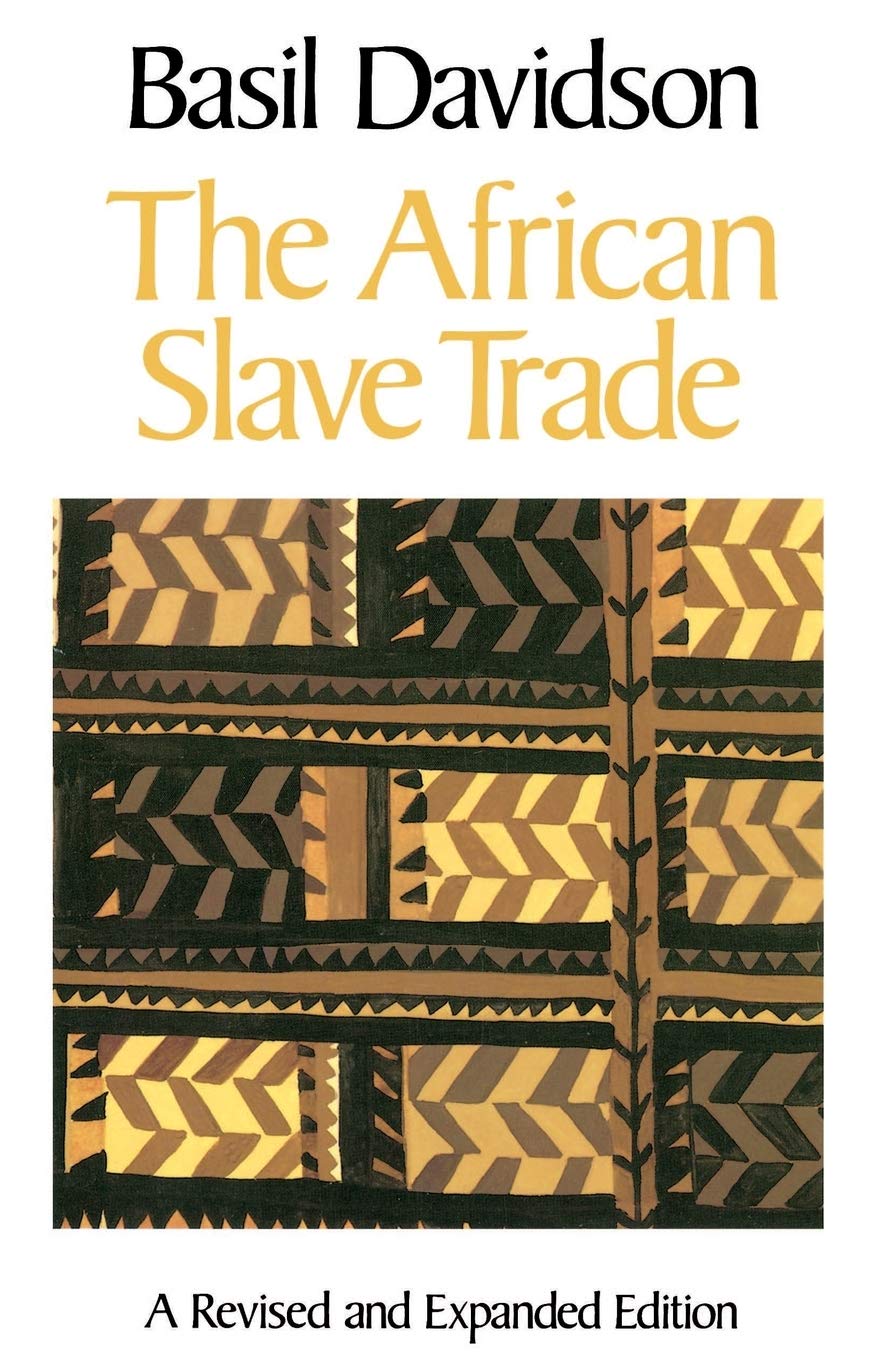
The African Slave Trade
Impact & Consequences of the Scramble for Africa
The Scramble for Africa's legacy is profound and multifaceted. Politically, it imposed arbitrary borders that ignored ethnic divisions, fueling conflicts like the Rwandan Genocide and Nigeria's civil war. Economically, colonial powers extracted resources (rubber, diamonds, gold) through coercive labor systems, leaving many nations dependent on single-commodity exports. The Berlin Conference's "rules" for colonization also sidelined African leaders, setting precedents for external interference.
Resistance to colonial rule—from the Maji Maji Rebellion to Ethiopia's victory at Adwa—shaped nationalist movements. However, suppression of these uprisings often led to devastating casualties. Post-independence, many African states inherited bureaucratic and military structures designed for control, not governance. Scholarly works examining these enduring imbalances remain essential for understanding modern Africa.
Perspectives & Controversies
Historians debate whether the Scramble was driven primarily by economic motives (e.g., raw materials for industrialization) or geopolitical rivalry (e.g., preventing competitors' dominance). Some scholars, like Pakenham, emphasize the role of individual actors—explorers like Stanley or monarchs like Leopold II—while Robinson and Gallagher frame it through the lens of strategic imperial interests.
Controversies also persist over African agency. Earlier narratives portrayed Africans as passive victims, but modern research highlights sophisticated diplomacy (e.g., Ethiopia's Menelik II) and resistance strategies. The Berlin Conference's impact is another flashpoint: while it formalized partition, critics argue colonialism's roots predate 1884. These debates reflect broader tensions in how we narrate oppression and resilience.
Frequently Asked Questions
What was the 3 C's Scramble for Africa?
The "3 C's" refer to the colonial motivations: Commerce (trade/resources), Christianity (missionary work), and Civilization (Eurocentric cultural imposition).
What are some popular books about the Scramble for Africa?
Key titles include King Leopold's Ghost by Adam Hochschild, The Scramble for Africa by Thomas Pakenham, and Africa and the Victorians by Robinson and Gallagher.
What is Walter Rodney's most famous book?
How Europe Underdeveloped Africa (1972) is Rodney's groundbreaking critique of colonialism's economic legacy, though it covers a broader timeframe than the Scramble period itself.
Are there any books covering African resistance during the Scramble?
Yes, The Partition of Africa 1880–1900 by J.D. Hargreaves examines how African leaders negotiated and resisted European encroachment. Additionally, many general histories of the Scramble, including Pakenham's work, devote significant attention to resistance movements like the Maji Maji Rebellion and Ethiopia's defeat of Italy at Adwa.
What 7 countries were in the Scramble for Africa?
Major participants included Britain, France, Germany, Belgium, Portugal, Italy, and Spain.
As an Amazon Associate, we earn from qualifying purchases.