Second Boer War: Best Books & Historical Overview
What Was the Second Boer War?
The Second Boer War (1899–1902) was a conflict between the British Empire and two Boer republics—the South African Republic (Transvaal) and the Orange Free State—over control of South Africa. Sparked by tensions over British imperialism and Boer resistance, the war is notable for its brutal guerrilla warfare tactics, the British use of concentration camps, and its role in shaping modern South Africa. The war ended with British victory but at a high human cost, leaving lasting scars on Boer communities and influencing future anti-colonial movements.
Fought primarily in present-day South Africa, the war marked a turning point in British military strategy and colonial policy. It also highlighted the resilience of the Boer commandos and foreshadowed 20th-century warfare with its use of trenches, scorched-earth tactics, and mobile combat. The war's aftermath saw the eventual formation of the Union of South Africa in 1910, embedding racial and political divisions that would persist for decades.
Book Comparison at a Glance
| Book | Readability | Depth | Best For |
|---|---|---|---|
| The Boer War | Moderate | Comprehensive history | Readers wanting full context |
| Hero of the Empire | High | Focused narrative | Fans of Churchill or adventure stories |
| London to Ladysmith | High | First-hand account | Those seeking primary sources |
| Commando | Moderate | Detailed memoir | Military history enthusiasts |
Best Books About the Second Boer War
The Second Boer War has been documented through a range of perspectives, from sweeping historical accounts to gripping personal narratives. Below are the definitive books on the subject, each offering unique insights into the conflict.
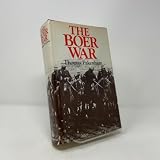
The Boer War
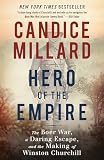
Hero of the Empire: The Boer War, a Daring Escape, and the Making of Winston Churchill
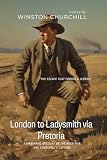
London to Ladysmith via Pretoria
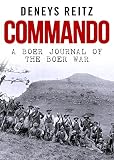
Commando: A Boer Journal of the Boer War
Impact & Consequences of the Second Boer War
The Second Boer War reshaped South Africa's political landscape and left a legacy of bitterness and division. The British victory led to the eventual unification of South Africa under British rule in 1910, but the war's brutality—especially the use of concentration camps—deepened Afrikaner nationalism. Over 26,000 Boer women and children died in the camps, a tragedy that fueled long-term resentment and shaped Afrikaner identity.
Globally, the war exposed the vulnerabilities of imperial powers and influenced military tactics in World War I. The British faced criticism for their scorched-earth policies and the high civilian casualties, prompting reforms in colonial governance. For those seeking books on the war's aftermath, titles like Pakenham's "The Boer War" delve into these consequences, while Reitz's "Commando" offers a personal view of the war's toll on Boer society.
British vs. Boer Perspectives on the Second Boer War
The British and Boer perspectives on the war were starkly opposed. The British framed the conflict as a necessary step to secure imperial interests and modernize the region, often portraying the Boers as backward and resistant to progress. Churchill's writings, such as "London to Ladysmith," reflect this viewpoint, though he also acknowledged the Boers' military skill.
In contrast, the Boers saw the war as a fight for independence against an oppressive empire. Reitz's "Commando" captures this spirit, emphasizing their guerrilla tactics and deep connection to the land. The war's legacy is still debated today, with some viewing it as a symbol of colonial injustice and others as a pivotal moment in South Africa's unification.
Guerrilla Warfare & Military Tactics in the Second Boer War
The Boers' use of guerrilla warfare was a defining feature of the war, forcing the British to adapt their traditional tactics. Boer commandos, like Reitz, relied on mobility, local knowledge, and hit-and-run attacks to counter the British army's superior numbers. This unconventional approach prolonged the war and inspired later guerrilla movements worldwide.
The British responded with brutal counterinsurgency measures, including blockhouses, scorched-earth policies, and the internment of civilians. These tactics, while effective, drew international condemnation. Books like "Commando" and Pakenham's "The Boer War" provide detailed analyses of these military innovations and their lasting impact on warfare.
Concentration Camps During the Second Boer War
The British concentration camps, intended to isolate Boer guerrillas by housing their families, became a humanitarian disaster. Poor conditions, overcrowding, and disease led to the deaths of thousands of civilians, mostly women and children. This dark chapter remains one of the war's most controversial aspects, with modern historians often comparing it to later 20th-century atrocities.
The camps' legacy is explored in depth in Pakenham's work, which critiques British policy, while Reitz's memoir offers a poignant personal account of their impact. The tragedy galvanized international scrutiny of British imperialism and fueled Afrikaner nationalism for generations.
Frequently Asked Questions
What did Winston Churchill say about the Boers?
Winston Churchill described the Boers as "the most formidable enemy" Britain had faced in its colonial wars, praising their resilience and guerrilla tactics.
What is the best book on the Boer War?
"The Boer War" by Thomas Pakenham is widely regarded as the most comprehensive and authoritative single-volume history of the conflict.
Did Winston Churchill write a book about the Boer War?
Yes, Winston Churchill wrote "London to Ladysmith via Pretoria," a firsthand account of his experiences as a war correspondent and prisoner during the Boer War.
What is the best book on the Boer war?
"The Anglo-Boer War 1899-1902" by Fransjohan Pretorius offers a balanced perspective, incorporating both British and Boer viewpoints.
As an Amazon Associate, we earn from qualifying purchases.