Taiping Rebellion: Best Books & Historical Overview
What Was Taiping Rebellion?
The Taiping Rebellion (1850–1864) was one of the deadliest conflicts in human history, claiming an estimated 20–30 million lives. It began in southern China when Hong Xiuquan, a failed civil service exam candidate, claimed to be the younger brother of Jesus Christ and founded the Taiping Heavenly Kingdom. His movement, blending Christianity with Chinese traditions, sought to overthrow the Qing Dynasty and establish a utopian society based on radical social and religious reforms. The rebellion swept across much of southern and central China, capturing major cities like Nanjing, which became the Taiping capital.
The Taiping Rebellion was not merely a civil war but a profound ideological struggle. Hong Xiuquan’s followers rejected Confucianism, Buddhism, and traditional Chinese practices, advocating for land redistribution, gender equality, and communal property. The Qing Dynasty, supported by Western powers and regional militias like the Hunan Army, eventually crushed the rebellion after 14 years of brutal warfare. The conflict devastated China’s economy, weakened the Qing regime, and left a lasting mark on Chinese society.
This rebellion is significant for its scale, its unique blend of religious and social ideologies, and its role in shaping modern Chinese history. It exposed the Qing Dynasty’s vulnerabilities, paving the way for later reforms and revolutions. The Taiping Rebellion also highlighted the influence of Western ideas in 19th-century China, as well as the complexities of internal and external power struggles during this turbulent period.
Book Comparison at a Glance
| Book | Readability | Depth | Best For |
|---|---|---|---|
| Autumn in the Heavenly Kingdom | High | Comprehensive | Readers seeking narrative depth |
| God's Chinese Son | Moderate | Thorough | General history enthusiasts |
| The Taiping Rebellion | Low | Rigorous | Academics and researchers |
Best Books About Taiping Rebellion
The Taiping Rebellion has inspired a range of insightful books, each offering a unique perspective on this complex event. Below are three essential works that delve into the rebellion’s causes, key figures, and lasting impact.
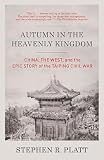
Autumn in the Heavenly Kingdom: China, the West, and the Epic Story of the Taiping Civil War
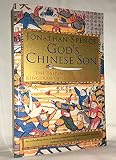
God's Chinese Son: The Taiping Heavenly Kingdom of Hong Xiuquan

The Heavenly Kingdom
The Taiping Rebellion
Impact & Consequences of Taiping Rebellion
The Taiping Rebellion had profound and far-reaching consequences for China and the world. Its staggering death toll—estimated at 20–30 million—made it one of the deadliest conflicts in history, surpassing even World War I in terms of lives lost. The rebellion devastated China’s economy, destroying farmland, industries, and infrastructure. It also weakened the Qing Dynasty, exposing its inability to maintain control and prompting later reforms such as the Self-Strengthening Movement.
Culturally, the Taiping Rebellion challenged traditional Chinese values and institutions. Hong Xiuquan’s rejection of Confucianism and Buddhism in favor of a Christian-inspired ideology marked a radical departure from China’s cultural heritage. The rebellion’s emphasis on social equality and communal property also foreshadowed later revolutionary movements, including the Chinese Communist Revolution. The Taiping Rebellion’s legacy continues to influence discussions about religion, governance, and social justice in China.
Internationally, the rebellion highlighted the growing influence of Western ideas and powers in 19th-century China. Western nations, initially sympathetic to the Taiping cause, ultimately sided with the Qing Dynasty to protect their economic interests. This collaboration underscored the complexities of China’s relationship with the West during this period. The Taiping Rebellion remains a pivotal event in Chinese history, offering valuable insights into the country’s struggles with modernization and internal conflict.
Key Figures & Leadership
Hong Xiuquan, the self-proclaimed younger brother of Jesus Christ, was the central figure of the Taiping Rebellion. A Hakka from Guangdong province, Hong failed the imperial civil service exams multiple times, leading to a mental breakdown during which he claimed to have received divine visions. These visions inspired him to establish the Taiping Heavenly Kingdom, a theocratic state based on his interpretation of Christianity. Hong’s charisma and religious fervor attracted millions of followers, but his leadership was often marked by paranoia and authoritarianism.
Other key leaders included Yang Xiuqing, the Taiping Rebellion’s military strategist, and Shi Dakai, a skilled commander known for his loyalty and bravery. Yang, who claimed to speak for God, wielded significant influence until his execution in a power struggle within the Taiping leadership. Shi, on the other hand, remained a steadfast supporter of the rebellion until its final days. These leaders played crucial roles in the Taiping Rebellion’s early successes but were ultimately unable to sustain the movement against the Qing Dynasty’s superior resources.
The rebellion’s leadership was both its greatest strength and its Achilles’ heel. Hong Xiuquan’s vision inspired millions, but his inability to adapt and his reliance on divine guidance led to strategic mistakes. The internal power struggles among Taiping leaders further weakened the movement, contributing to its eventual collapse. Despite their failures, these figures remain emblematic of the Taiping Rebellion’s radical ideals and its enduring impact on Chinese history.
Religious & Ideological Aspects
The Taiping Rebellion was deeply rooted in religious and ideological fervor. Hong Xiuquan’s interpretation of Christianity, blended with elements of Chinese tradition, formed the foundation of the Taiping Heavenly Kingdom’s beliefs. Hong claimed to have received visions from God, designating him as the younger brother of Jesus Christ and the ruler of a new earthly kingdom. This theology rejected Confucianism, Buddhism, and traditional Chinese practices, advocating instead for a radical reinterpretation of Christianity.
The Taiping ideology also promoted significant social reforms, including land redistribution, gender equality, and communal property. These ideas challenged the hierarchical structure of Qing society and attracted many impoverished peasants and disenfranchised individuals. The Taiping Rebellion’s emphasis on equality and justice resonated with those suffering under the Qing Dynasty’s oppressive policies, making it a powerful force for social change.
However, the Taiping Rebellion’s religious and ideological aspects were also a source of controversy. Hong’s claims were met with skepticism by both Chinese and Western observers, and his movement’s violent methods alienated potential allies. The rebellion’s legacy remains a subject of debate, with some viewing it as a precursor to modern revolutionary movements and others as a cautionary tale of religious extremism. Regardless of perspective, the Taiping Rebellion’s unique blend of religion and ideology continues to fascinate historians and scholars.
Military Strategies & Brutality
The Taiping Rebellion was marked by innovative military strategies and extreme brutality. The Taiping forces, initially composed of peasants and laborers, quickly grew into a disciplined army capable of challenging the Qing Dynasty’s troops. They employed guerrilla tactics, rapid mobilization, and organized divisions to gain early victories, capturing key cities like Nanjing and establishing the Taiping capital there. The rebellion’s success was also due to its ability to inspire loyalty among its followers, who fought with religious fervor.
However, the Taiping Rebellion was also notorious for its brutality. Both sides committed atrocities, including massacres, pillaging, and destruction of entire cities. The Qing forces, aided by Western powers, eventually overwhelmed the Taiping army through superior resources and tactics. The rebellion’s final years were marked by desperate resistance and widespread suffering, culminating in the fall of Nanjing and the death of Hong Xiuquan.
The Taiping Rebellion’s military strategies and brutality offer a stark reminder of the human cost of ideological conflict. Its legacy includes not only its innovative tactics but also the lessons learned from its devastating violence. Historians continue to study the rebellion’s military aspects to understand its impact on Chinese warfare and its broader implications for global history.
Comparative Analysis
The Taiping Rebellion is often compared to other major conflicts due to its scale and impact. In terms of death toll, it surpasses World War I, with estimates ranging from 20 to 30 million lives lost. This staggering figure underscores the rebellion’s devastating consequences for China and its place in global history. Unlike World War I, which involved multiple nations, the Taiping Rebellion was primarily an internal conflict, highlighting the unique challenges of civil war.
The rebellion also bears comparison to the Opium Wars, which occurred around the same time and involved Western powers in China. While the Opium Wars were driven by economic interests, the Taiping Rebellion was rooted in ideological and social grievances. Both events, however, exposed the Qing Dynasty’s weaknesses and contributed to China’s eventual decline. The Taiping Rebellion’s emphasis on social reform and religious ideology sets it apart from these other conflicts, making it a unique case study in the history of revolutions.
Finally, the Taiping Rebellion can be compared to the American Civil War, another major 19th-century conflict. Both wars were fought over profound ideological differences and had lasting impacts on their respective nations. However, the Taiping Rebellion’s scale and brutality exceed those of the American Civil War, reflecting the unique challenges of 19th-century China. These comparisons highlight the Taiping Rebellion’s significance as a global historical event.
Frequently Asked Questions
What is the book about the Taiping Rebellion?
"The Taiping Heavenly Kingdom: Rebellion and the Blasphemy of Empire" by Thomas H. Reilly explores the religious, political, and social dimensions of the Taiping Rebellion, focusing on its unique blend of Christianity and Chinese traditions.
As an Amazon Associate, we earn from qualifying purchases.