The Alamo: Best Books & Historical Overview
What Was the Alamo?
The Alamo was a pivotal battle during the Texas Revolution, fought from February 23 to March 6, 1836, in San Antonio, Texas. The conflict occurred between Mexican forces led by General Antonio López de Santa Anna and a small group of Texian (Anglo-American settlers in Mexican Texas) and Tejano (Mexican residents of Texas) defenders. The Texian forces, numbering around 200, held the Alamo Mission, a former Spanish mission turned fort, against a Mexican army of several thousand. Despite their valiant defense, the defenders were ultimately overwhelmed, and nearly all were killed.
The battle became a symbol of resistance and sacrifice, rallying Texian forces with the cry "Remember the Alamo!" This rallying cry helped galvanize support for Texas independence, which was achieved later in 1836 at the Battle of San Jacinto. The Alamo's legacy endures as a defining moment in American and Texan history, representing courage, patriotism, and the struggle for freedom. Its story has been romanticized in literature, film, and popular culture, though its historical significance remains rooted in the broader context of westward expansion and U.S.-Mexico relations.
Book Comparison at a Glance
| Book | Readability | Depth | Best For |
|---|---|---|---|
| The Gates of the Alamo | High | Moderate depth | Fiction lovers |
| A Time to Stand | High | Broad overview | Casual readers |
| Forget the Alamo | Moderate | Deep analysis | History buffs |
| Three Roads to the Alamo | Moderate | Comprehensive | Serious scholars |
| The Blood of Heroes | High | Balanced depth | General audience |
Best Books About The Alamo
The Alamo has inspired countless books, ranging from gripping narratives to scholarly analyses. Below are five standout works that offer diverse perspectives on this iconic event, whether you're seeking a detailed historical account or a compelling fictional retelling.
Top Nonfiction Books
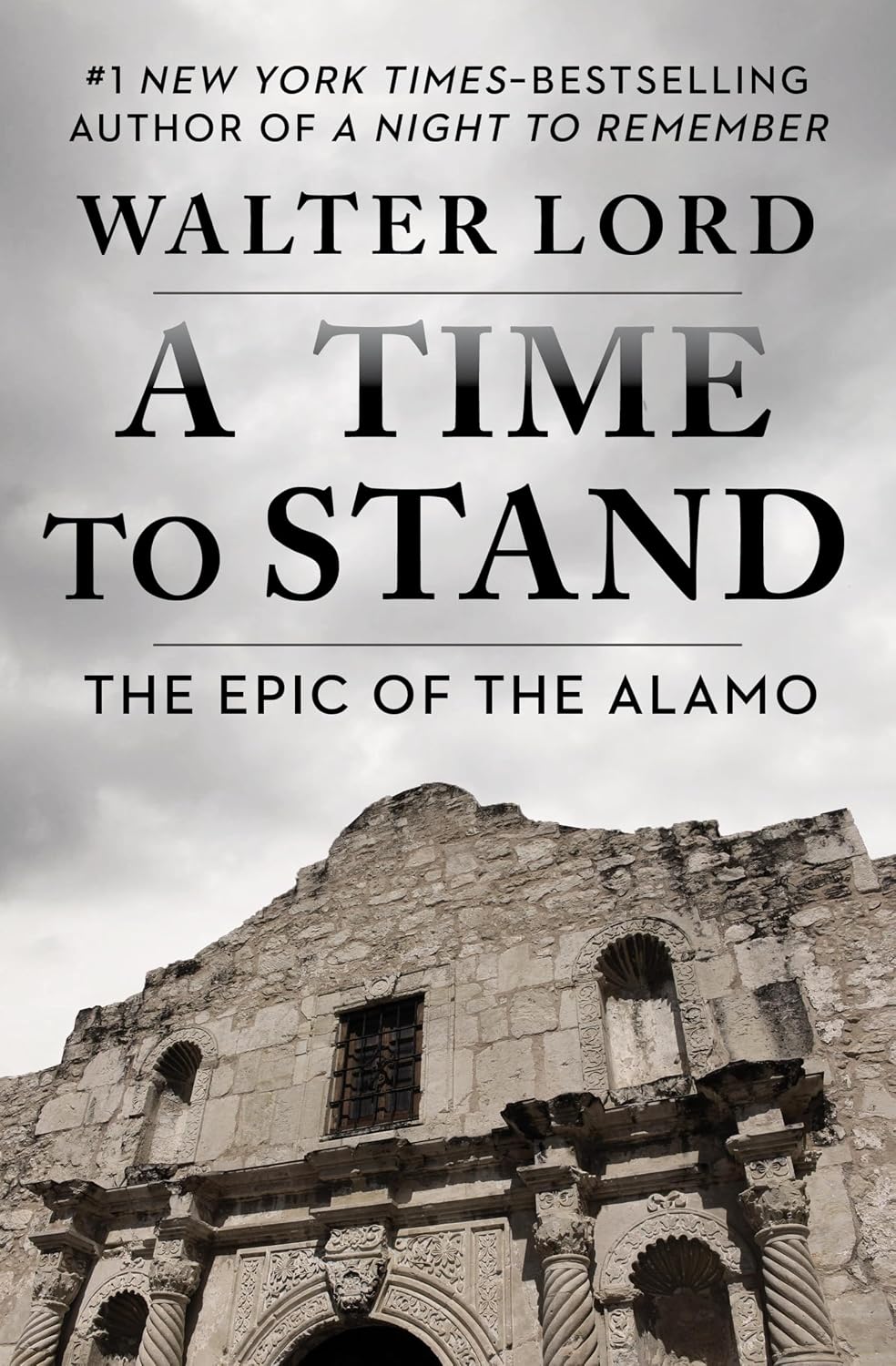
A Time to Stand: The Epic of the Alamo
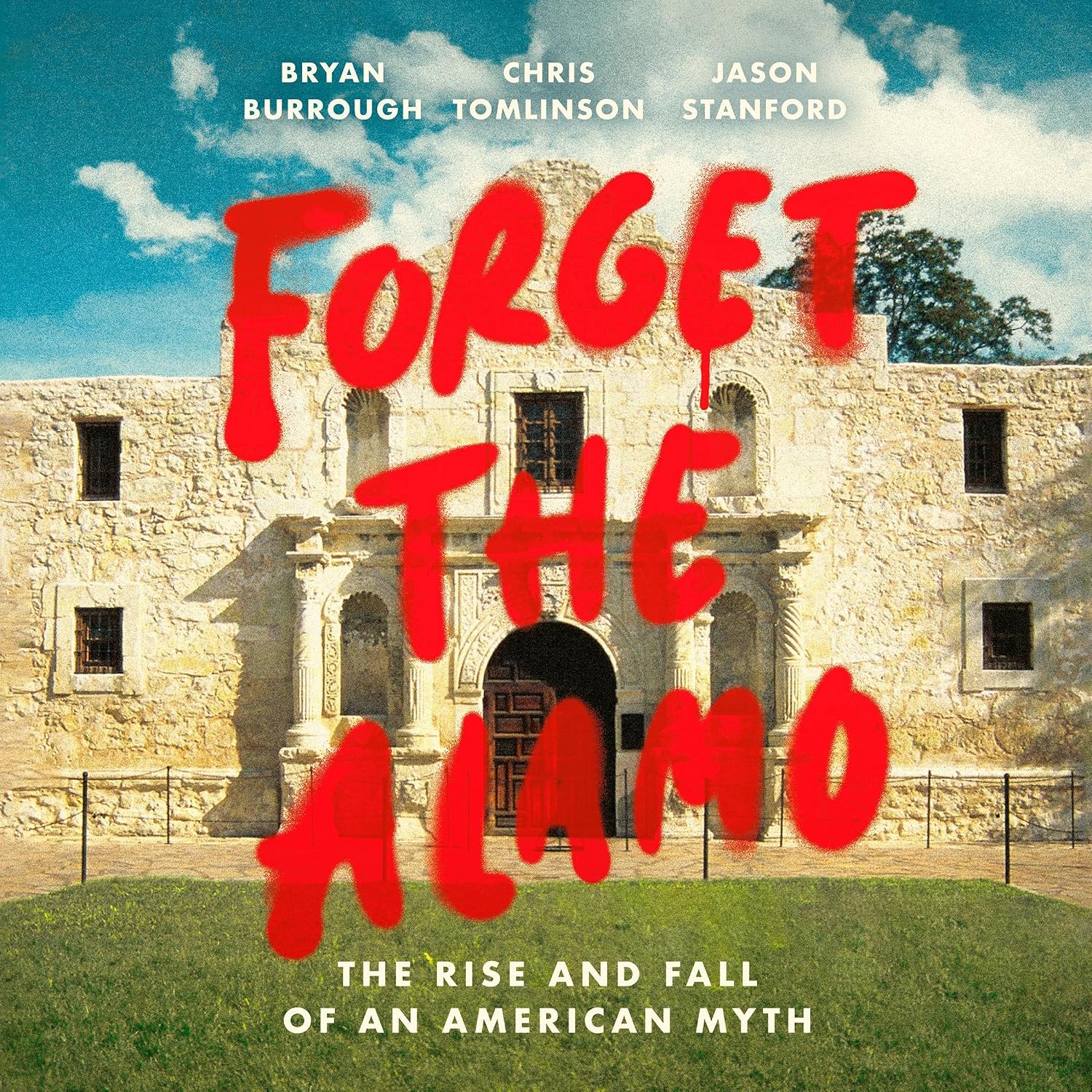
Forget the Alamo: The Rise and Fall of an American Myth
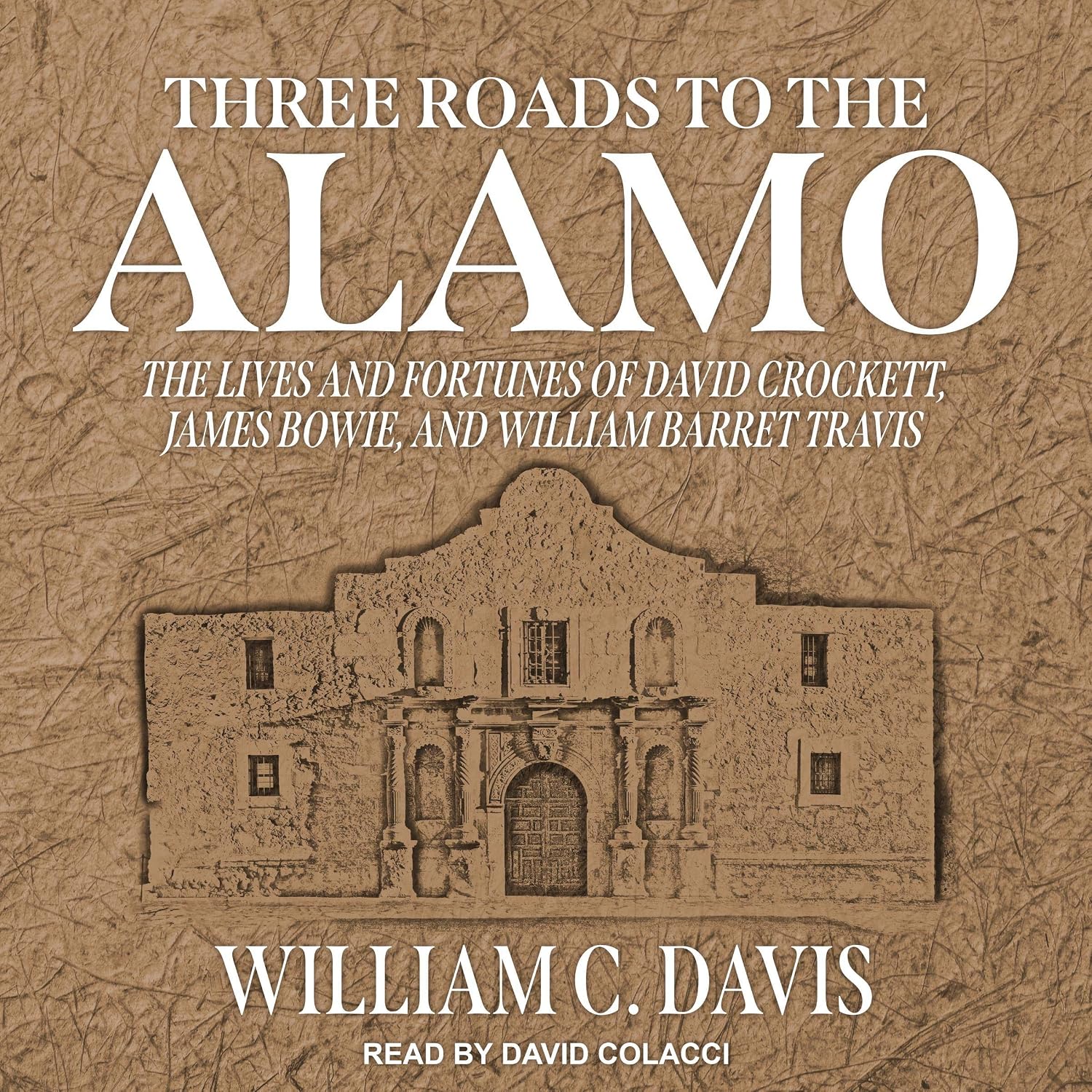
Three Roads to the Alamo: The Lives and Fortunes of David Crockett, James Bowie, and William Barret Travis
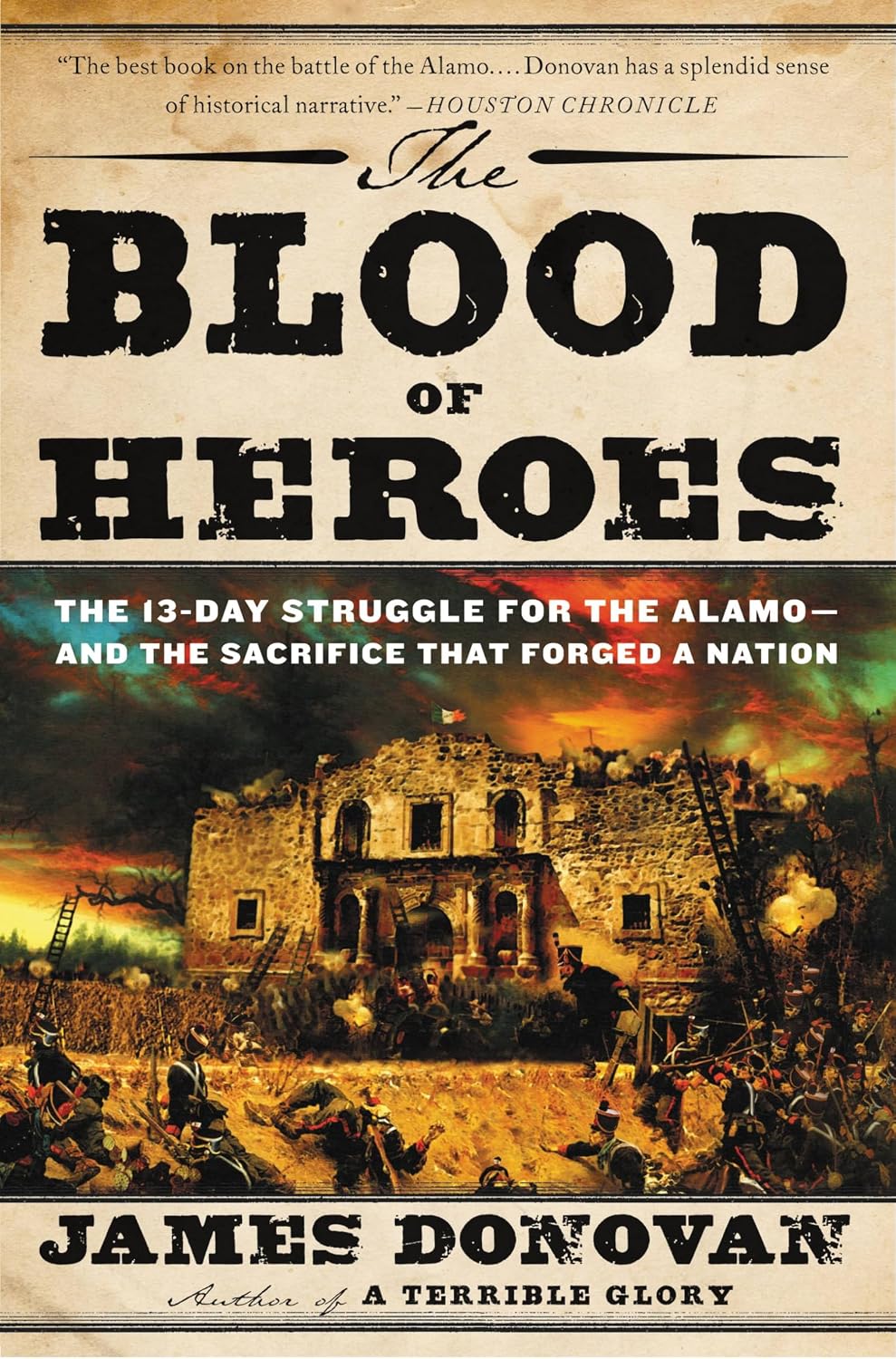
The Blood of Heroes: The 13-Day Struggle for the Alamo—and the Sacrifice That Forged a Nation
Best Historical Fiction & Novels
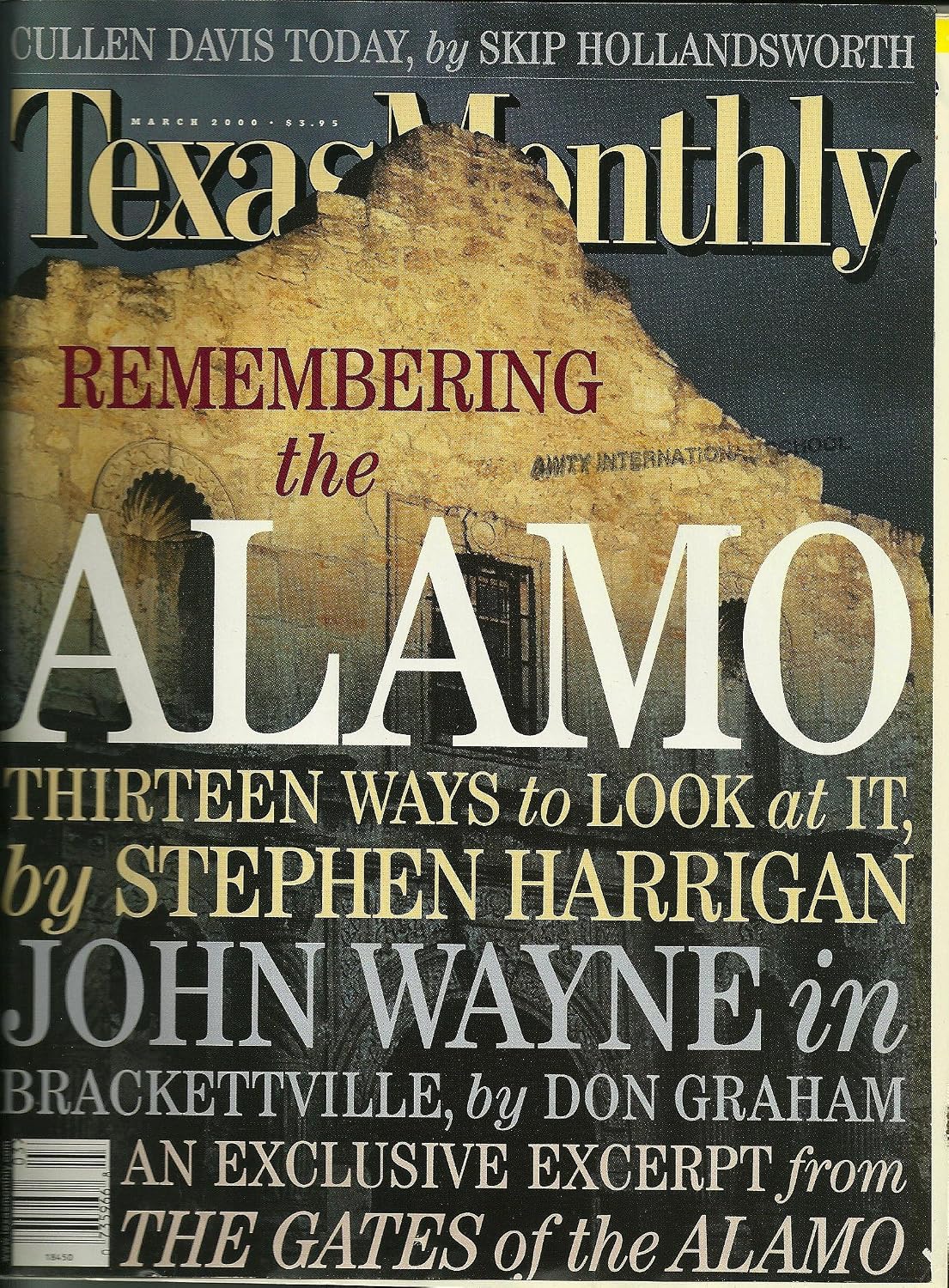
The Gates of the Alamo
Impact & Consequences of The Alamo
The Alamo's impact extends far beyond the battle itself. Its defenders' sacrifice became a rallying cry for Texian forces, fueling their determination to achieve independence from Mexico. The phrase "Remember the Alamo!" symbolized resistance and inspired soldiers at the Battle of San Jacinto, where Texian forces decisively defeated Santa Anna's army. This victory led to the establishment of the Republic of Texas, which later joined the United States in 1845.
The Alamo also played a significant role in shaping Texas identity and American mythology. It became a symbol of courage and sacrifice, often framed as a struggle for freedom against tyranny. However, its legacy is complex, as it also reflects broader tensions between the U.S. and Mexico, including issues of land, sovereignty, and cultural conflict. Today, the Alamo remains a site of cultural and historical significance, drawing millions of visitors annually and sparking ongoing debates about its interpretation and meaning.
Perspectives & Controversies
The Alamo has been interpreted in various ways, reflecting differing historical perspectives and evolving narratives. Traditional accounts often portray the defenders as heroic figures fighting for freedom against a tyrannical Mexican government. This view, popularized in the 19th and early 20th centuries, emphasizes themes of patriotism and sacrifice.
In contrast, more recent scholarship has challenged this narrative, highlighting the complexities of the Texas Revolution. Books like "Forget the Alamo" argue that the Alamo myth obscures the role of slavery and Anglo-American expansionism in the conflict. These perspectives emphasize the motivations of Texian settlers, including their desire to preserve slavery, which Mexico had outlawed.
Tejano contributions to the Texas Revolution have also been historically underrepresented. Many Tejanos fought alongside Texian forces, yet their stories have often been overshadowed. Contemporary historians are working to rectify this imbalance, offering a more inclusive and nuanced understanding of the Alamo and its significance.
Frequently Asked Questions
What is the best book about the Alamo?
"The Blood of Heroes" by James Donovan is widely regarded as the best overall book due to its balance of thorough research and engaging narrative.
Who was the coward at the Alamo?
According to Texas legend, Louis "Moses" Rose reportedly left the Alamo before the final assault, though some historians question the account's authenticity. His choice to depart has been debated, and the term "coward" reflects later romanticized storytelling rather than contemporary accounts.
What is the famous Alamo saying?
The famous saying is "Remember the Alamo!"—a rallying cry used by Texian forces after the battle to inspire their fight for independence.
As an Amazon Associate, we earn from qualifying purchases.