The Manhattan Project: Best Books & Historical Overview
The secret race to build a weapon that changed what war could mean
What Was The Manhattan Project?
The Manhattan Project was a top-secret U.S. research program during World War II that developed the first atomic bombs. Officially launched in 1942 under the direction of General Leslie R. Groves and scientific leadership of J. Robert Oppenheimer, the project brought together some of the greatest minds in physics, including Enrico Fermi, Niels Bohr, and many others. The work was primarily conducted at three key sites: Los Alamos, New Mexico (weapons design); Oak Ridge, Tennessee (uranium enrichment); and Hanford, Washington (plutonium production).
The urgency behind the Manhattan Project stemmed from fears that Nazi Germany might develop nuclear weapons first. The project culminated in the successful Trinity test on July 16, 1945, followed by the bombings of Hiroshima and Nagasaki in August 1945, which led to Japan's surrender and the end of World War II. The Manhattan Project marked the dawn of the atomic age, reshaping global politics, warfare, and scientific research forever.
Book Comparison at a Glance
| Book | Readability | Depth | Best For |
|---|---|---|---|
| The Making of the Atomic Bomb | Moderate | Extremely comprehensive | Readers wanting full context |
| Now It Can Be Told | Moderate | Detailed insider view | Military history enthusiasts |
| American Prometheus | High | Deep biographical focus | Fans of character-driven narratives |
| Los Alamos | High | Suspenseful historical fiction | Casual readers seeking drama |
| The Girls of Atomic City | High | Social history | Readers wanting the workers' side of the story |
Best Books About The Manhattan Project
If you're looking to explore the Manhattan Project through books, these five titles offer a mix of definitive histories, firsthand accounts, gripping narratives, and overlooked perspectives. Each provides unique perspectives on the science, politics, and human drama behind the atomic bomb.
Top Nonfiction Books
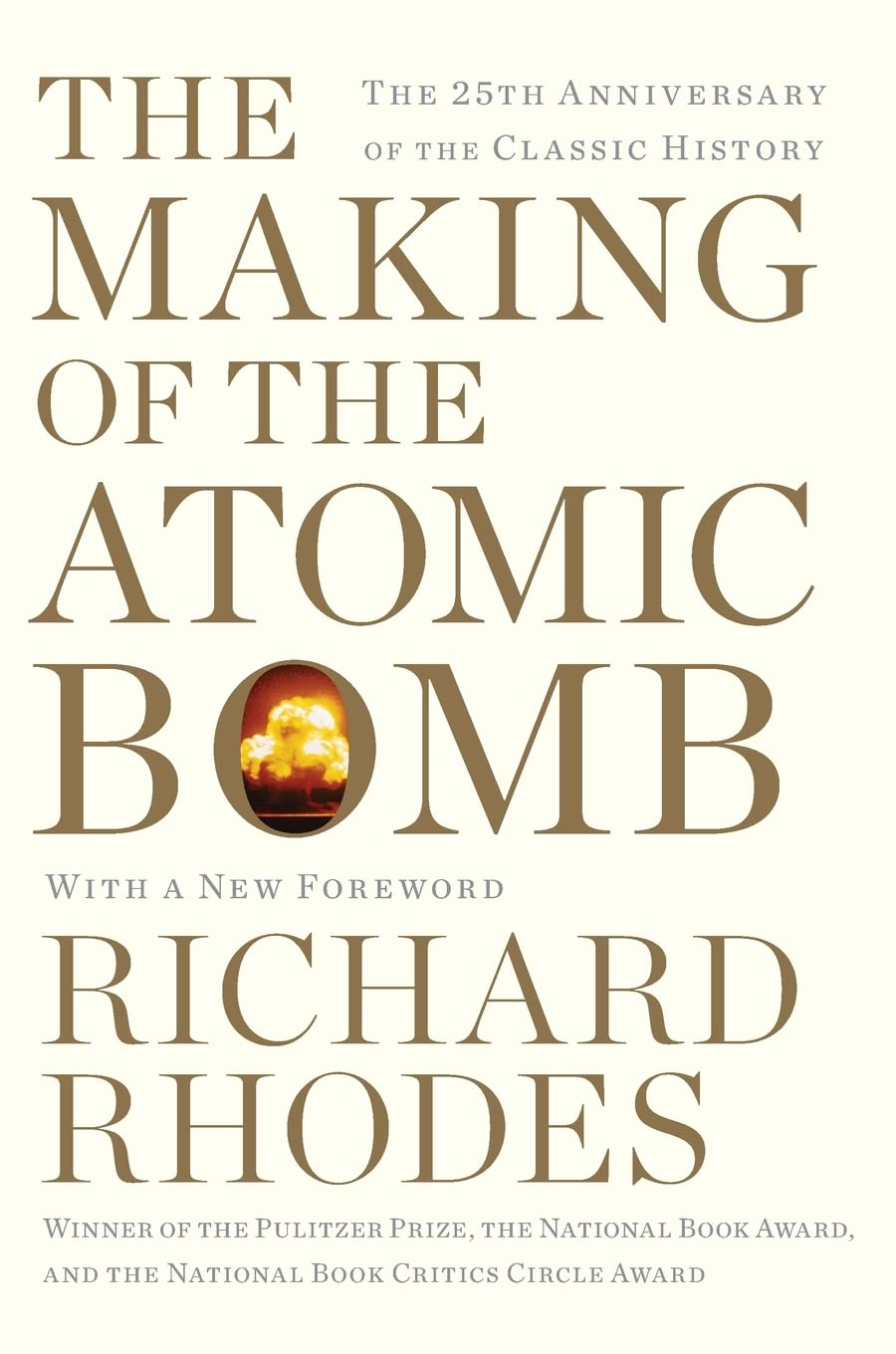
The Making of the Atomic Bomb
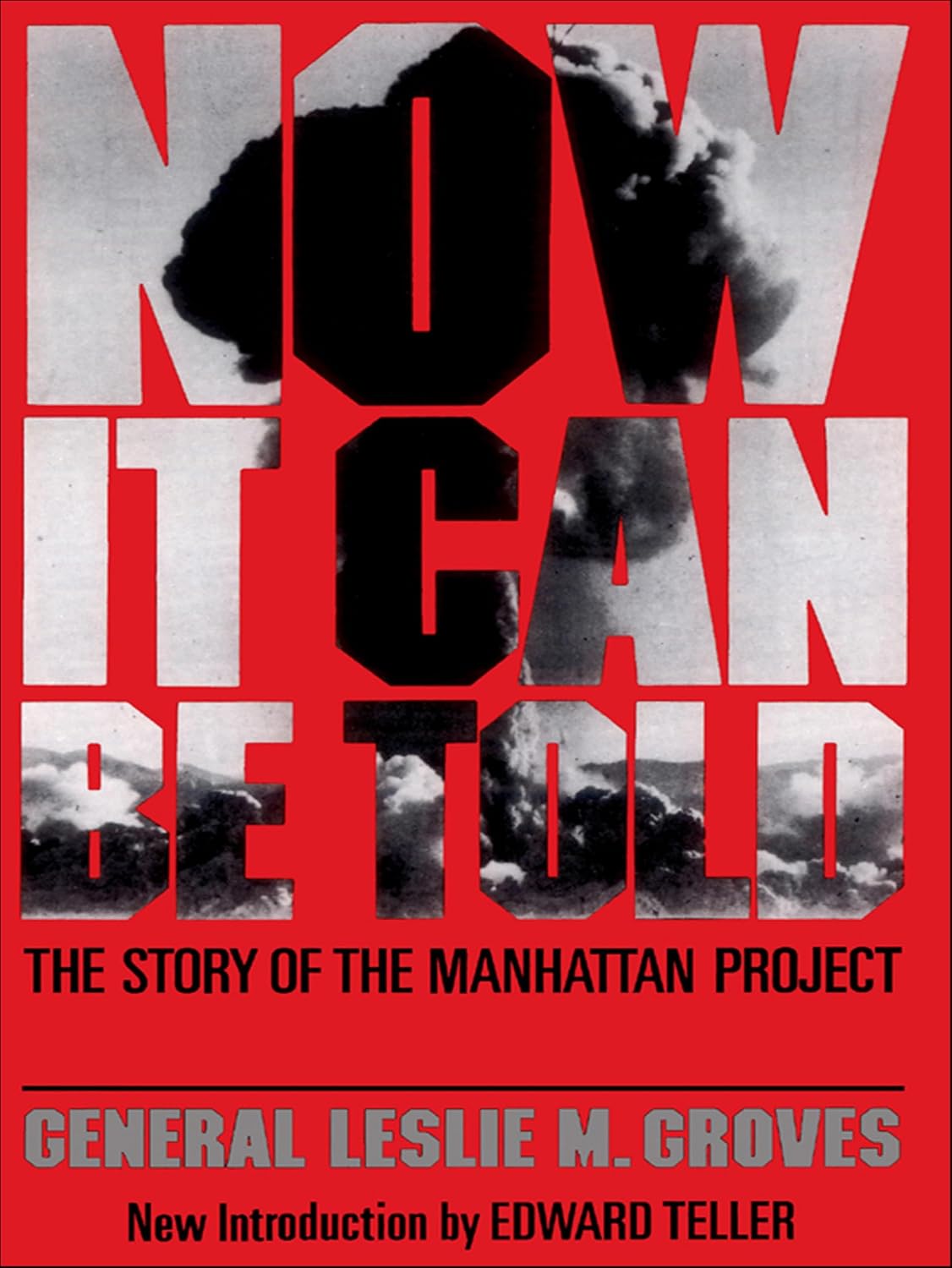
Now It Can Be Told: The Story of the Manhattan Project
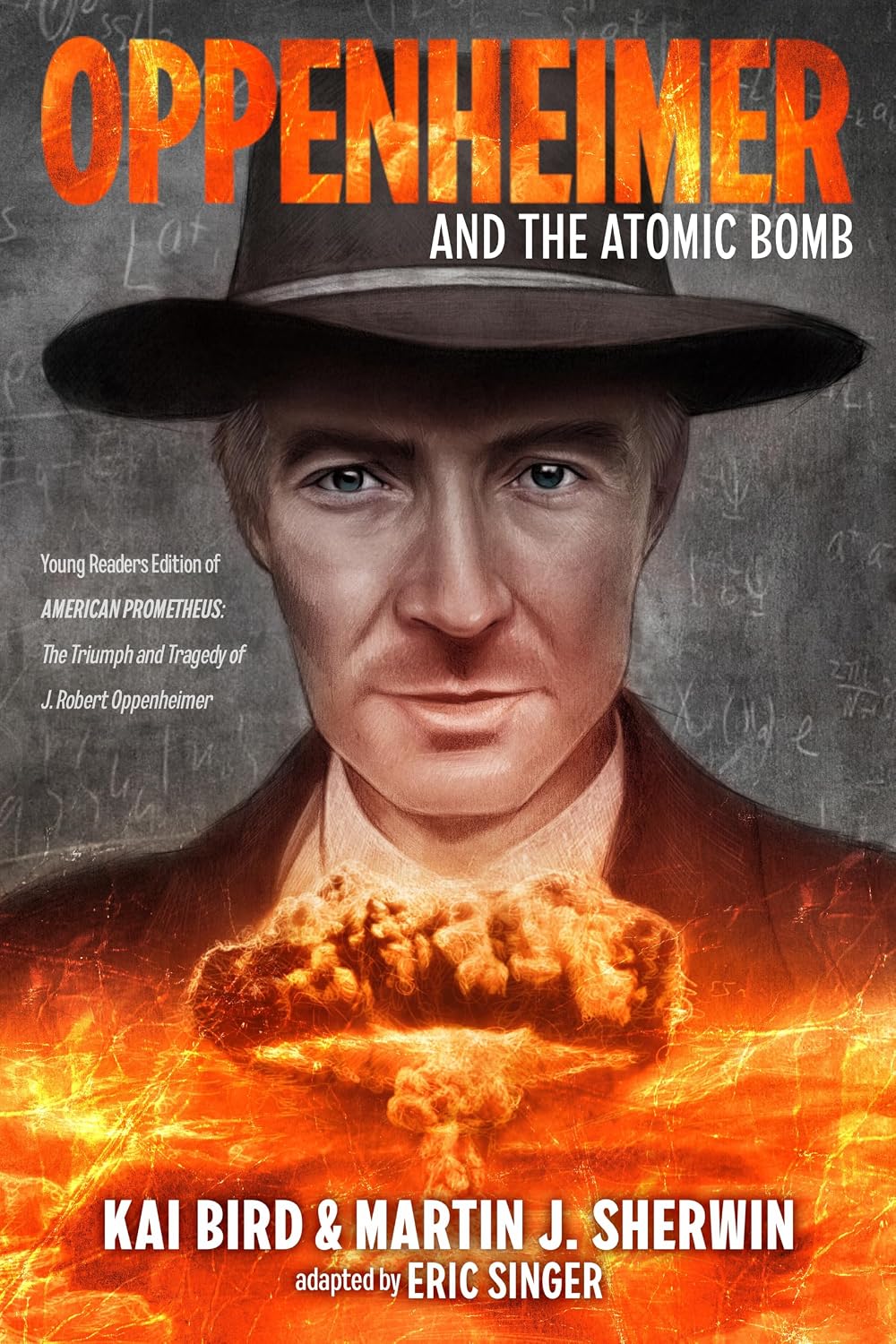
American Prometheus: The Triumph and Tragedy of J. Robert Oppenheimer
Best Historical Fiction & Novels
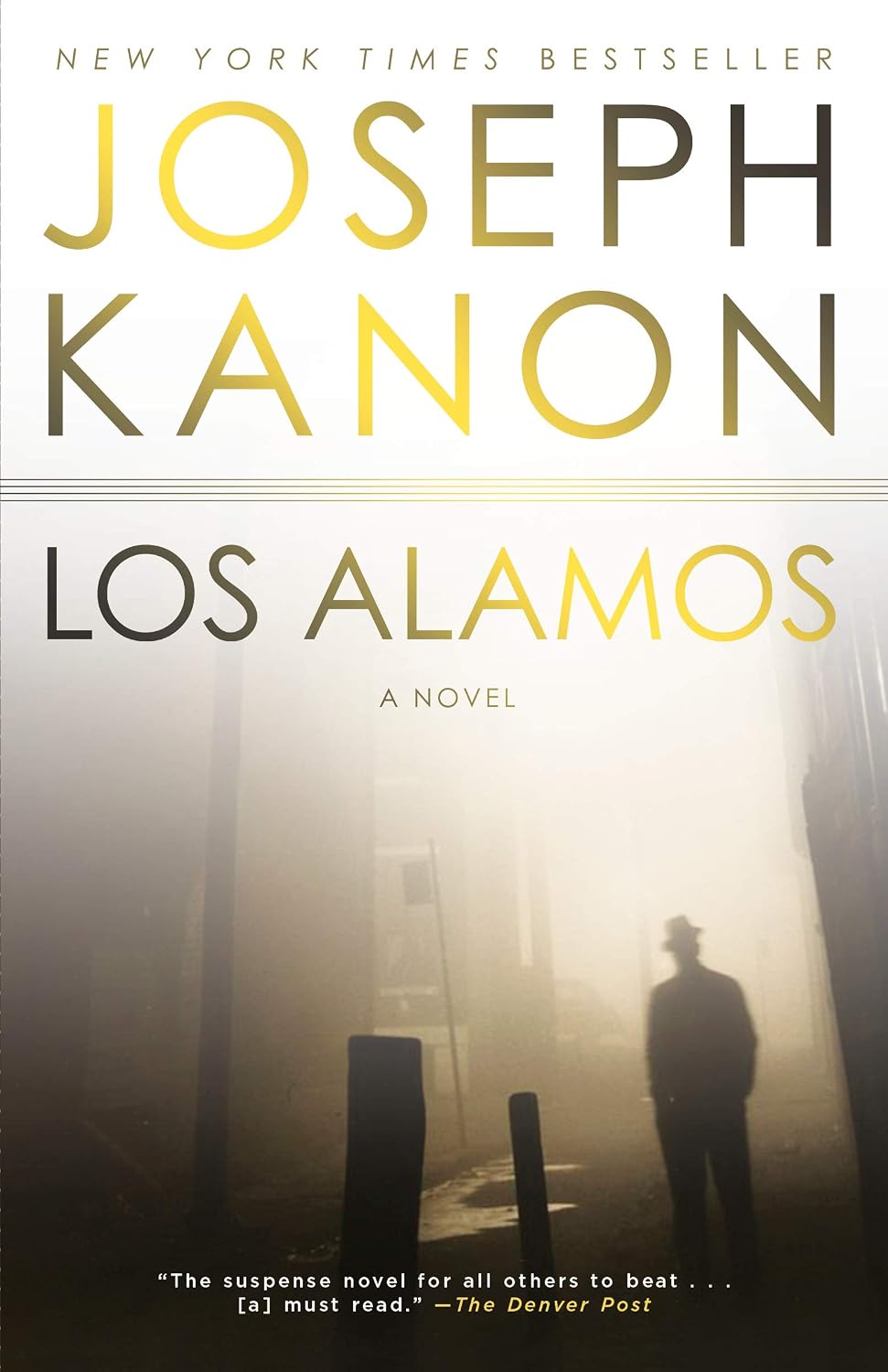
Los Alamos
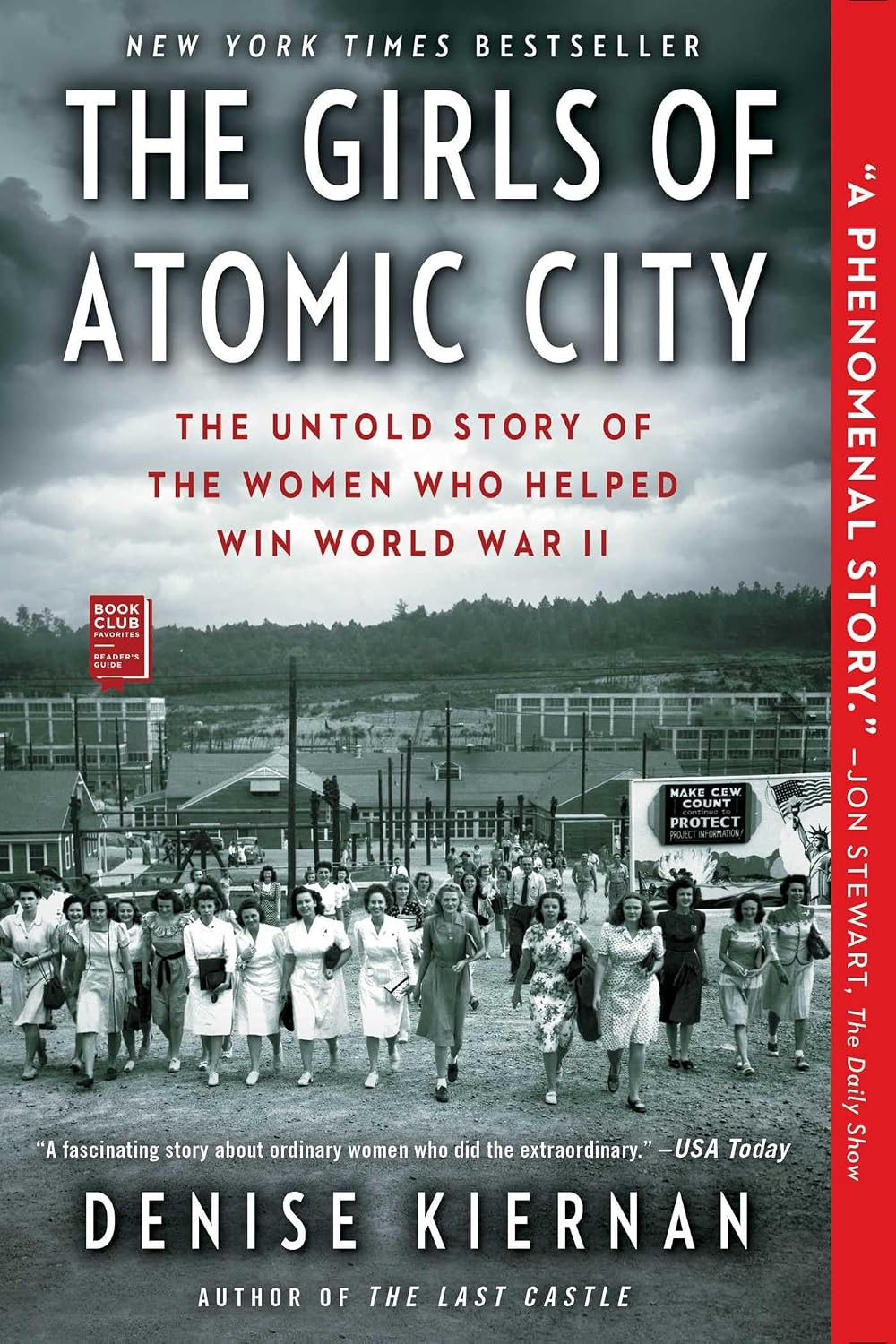
The Girls of Atomic City: The Untold Story of the Women Who Helped Win World War II
Impact & Consequences of The Manhattan Project
The Manhattan Project's success had immediate and far-reaching consequences. The bombings of Hiroshima and Nagasaki demonstrated the terrifying power of nuclear weapons, leading to Japan's surrender and the end of World War II. However, they also sparked ethical debates about the use of such destructive force, with lasting moral and geopolitical repercussions.
In the decades that followed, the project's legacy shaped the Cold War arms race, nuclear non-proliferation efforts, and modern energy research. The Manhattan Project significance extends beyond warfare; it revolutionized physics, spurred advancements in technology, and redefined international diplomacy. Books and scholarly works (like those in "Manhattan Project impact books pdf" searches) continue to analyze its effects, from environmental concerns to the ongoing threat of nuclear conflict.
Frequently Asked Questions
What are the best books for the Manhattan Project reddit?
Popular recommendations on Reddit include "The Making of the Atomic Bomb" by Richard Rhodes and "109 East Palace" by Jennet Conant for their detailed accounts and engaging narratives.
What is the best book about the Manhattan Project?
"The Making of the Atomic Bomb" by Richard Rhodes is widely regarded as the definitive book, offering a comprehensive and Pulitzer Prize-winning history of the project.
What is the best book about the atomic bombing of Hiroshima?
"Hiroshima" by John Hersey is a classic and powerful account, blending survivor stories with journalistic precision to depict the bombing's immediate aftermath.
What is the new book about dropping the atomic bomb?
"Fallout: The Hiroshima Cover-Up and the Reporter Who Revealed It to the World" by Lesley M.M. Blume is a recent (2020) critically acclaimed book exploring the aftermath and media coverage of the bombing.
As an Amazon Associate, we earn from qualifying purchases.