Trail of Tears: Best Books & Historical Overview
A forced march that killed thousands and remade a continent
What Was the Trail of Tears?
The Trail of Tears refers to the forced relocation of Native American tribes, primarily the Cherokee Nation, from their ancestral lands in the southeastern United States to designated "Indian Territory" in present-day Oklahoma. This tragic event occurred between 1838 and 1839, following the Indian Removal Act of 1830, signed into law by President Andrew Jackson. The act authorized the federal government to negotiate treaties with Native tribes to exchange their lands for territory west of the Mississippi River.
The Cherokee and other tribes, including the Muscogee (Creek), Seminole, Chickasaw, and Choctaw, were forcibly removed from their homelands. The journey was grueling, with thousands of Native Americans dying from exposure, disease, and starvation. The Trail of Tears is a poignant symbol of the injustices faced by Indigenous peoples in the United States and remains a critical chapter in American history. It underscores the devastating impact of federal policies on Native communities and their enduring struggle for sovereignty and recognition.
Book Comparison at a Glance
| Book | Readability | Depth | Best For |
|---|---|---|---|
| The Cherokee Nation and the Trail of Tears | Moderate | Comprehensive | History enthusiasts |
| Voices from the Trail of Tears | High | Personal accounts | Casual readers |
| Soft Rain | High | Emotional narrative | Young readers |
| Mary and the Trail of Tears | High | Age-appropriate narrative | Middle-grade readers |
| The Long Bitter Trail | Low | Analytical overview | Academic readers |
Best Books About the Trail of Tears
The Trail of Tears is a pivotal event in American history, and understanding its complexities requires engaging with a variety of perspectives. Below are five highly recommended books that offer insights into this tragic chapter, ranging from scholarly analyses to personal narratives and historical fiction.
Top Nonfiction Books
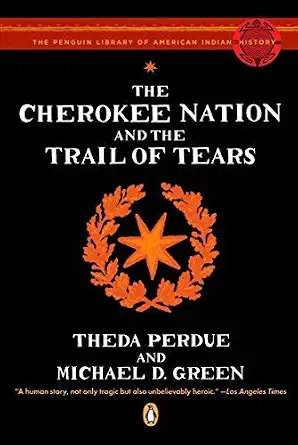
The Cherokee Nation and the Trail of Tears
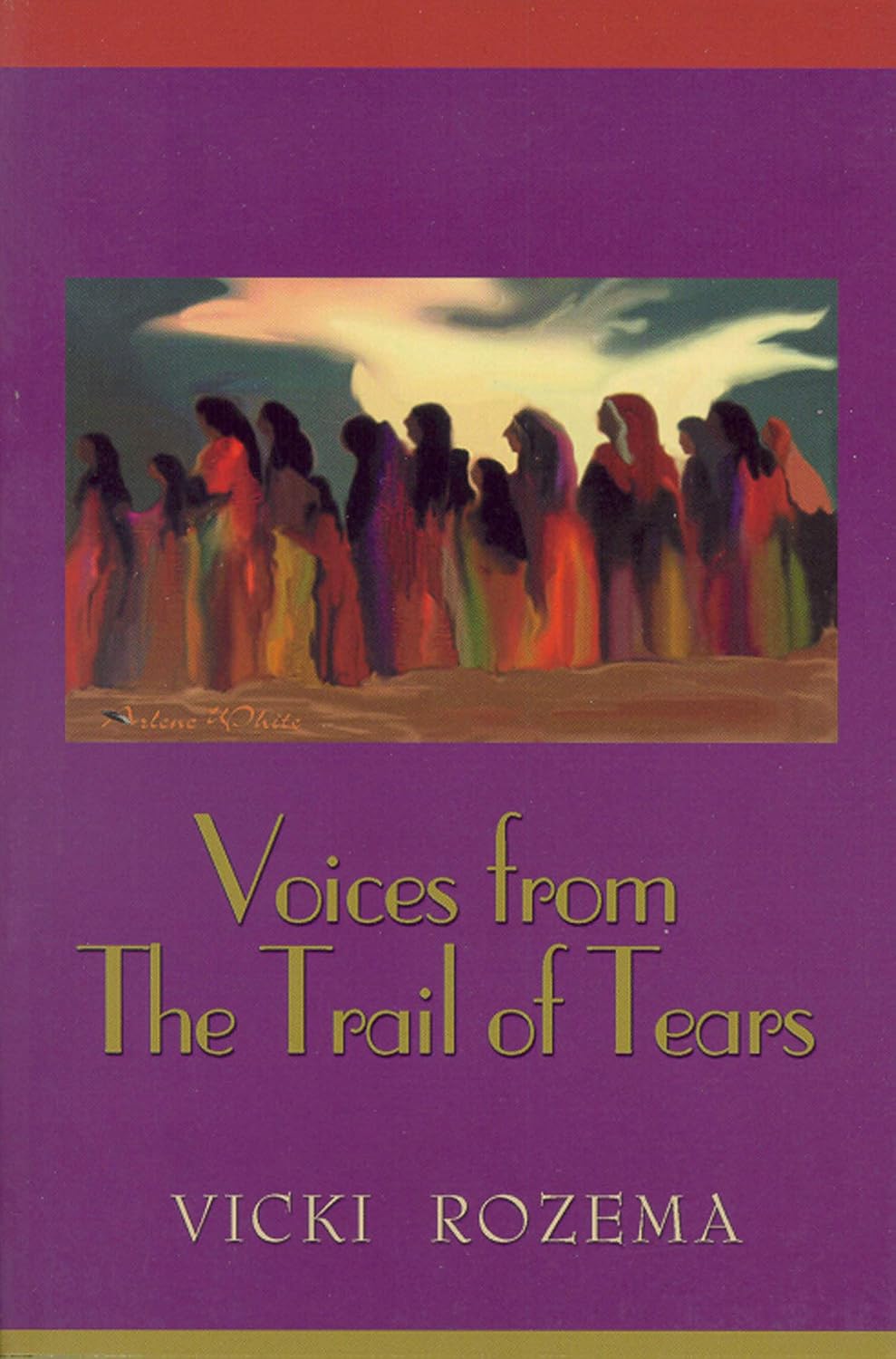
Voices from the Trail of Tears

The Long Bitter Trail: Andrew Jackson and the Indians
Best Historical Fiction & Novels
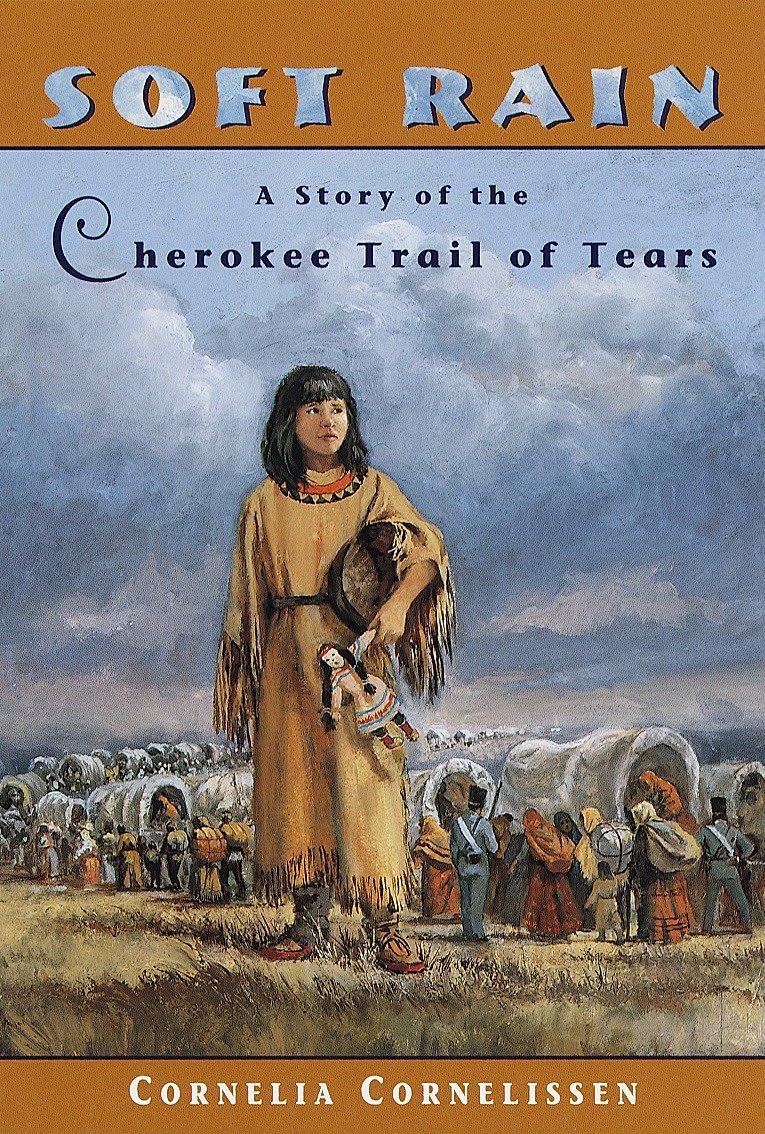
Soft Rain: A Story of the Cherokee Trail of Tears

Mary and the Trail of Tears: A Cherokee Removal Survival Story
Impact & Consequences of the Trail of Tears
The Trail of Tears had profound and lasting effects on Native American communities. The forced removal resulted in the deaths of thousands due to harsh conditions, disease, and inadequate supplies. It also led to the loss of ancestral lands, cultural heritage, and traditional ways of life. The Cherokee Nation, in particular, faced significant challenges in rebuilding their society in unfamiliar territory.
The event also had broader implications for U.S. policy and Native American relations. The Indian Removal Act set a precedent for further displacement and marginalization of Indigenous peoples, contributing to a legacy of systemic injustice. The Trail of Tears remains a stark reminder of the federal government's disregard for Native sovereignty and the resilience of Native communities in the face of adversity.
In contemporary times, the Trail of Tears is commemorated as a symbol of Indigenous resistance and perseverance. It has sparked conversations about reparations, historical accountability, and the ongoing struggle for Native rights. Understanding this event is crucial for acknowledging the past and working toward a more equitable future.
Frequently Asked Questions
What is the best book about the Trail of Tears?
"The Trail of Tears: The Forced Removal of the Five Civilized Tribes" by John Ehle is widely regarded as one of the best comprehensive accounts of the event.
What is the best book to read about the Trail of Tears?
"Bury My Heart at Wounded Knee" by Dee Brown provides a powerful narrative, though it covers broader Native American history, including the Trail of Tears.
Are there any documentaries about the Trail of Tears?
Yes, "The Trail of Tears: Cherokee Legacy" (2006) is a well-regarded documentary that explores the forced removal of the Cherokee people.
How many months did it take to walk the Trail of Tears?
The forced march of the Trail of Tears typically took about 5-6 months, depending on the specific route and conditions.
As an Amazon Associate, we earn from qualifying purchases.