Underground Railroad: Best Books & Historical Overview
What Was the Underground Railroad?
The Underground Railroad was a secret network of routes, safe houses, and abolitionists that helped enslaved African Americans escape to freedom in the Northern states and Canada during the 19th century. Operating primarily between 1810 and 1865, it was not an actual railroad but a loosely organized system of resistance against slavery. Key figures like Harriet Tubman, Frederick Douglass, and Levi Coffin played pivotal roles in guiding fugitives to safety. The movement's success relied on secrecy, coded language, and the collaboration of free Black communities, white abolitionists, and religious groups like the Quakers.
The Underground Railroad mattered because it directly challenged the institution of slavery and demonstrated the power of collective resistance. Estimates suggest it aided between 40,000 and 100,000 enslaved people in their quest for freedom, amplifying national tensions that contributed to the Civil War. Its legacy endures as a symbol of courage, solidarity, and the fight for human rights, inspiring modern movements for justice and equality.
Book Comparison at a Glance
| Book | Readability | Depth | Best For |
|---|---|---|---|
| The Underground Railroad | High | Vivid reimagining | Readers who love historical fiction |
| Gateway to Freedom | Moderate | Expert analysis | History buffs & academics |
| Bound for Canaan | High | Comprehensive | Balanced overview seekers |
| I've Got a Home in Glory Land | Moderate | Case study | Readers seeking detailed escape narratives |
| Incidents in the Life of a Slave Girl | Moderate | Personal account | Primary source researchers |
Best Books About the Underground Railroad
For those eager to explore the Underground Railroad, these five books offer a mix of rigorous history, firsthand accounts, and powerful fiction. Whether you're seeking scholarly analysis or emotional storytelling, this list covers the essentials.
Top Nonfiction Books
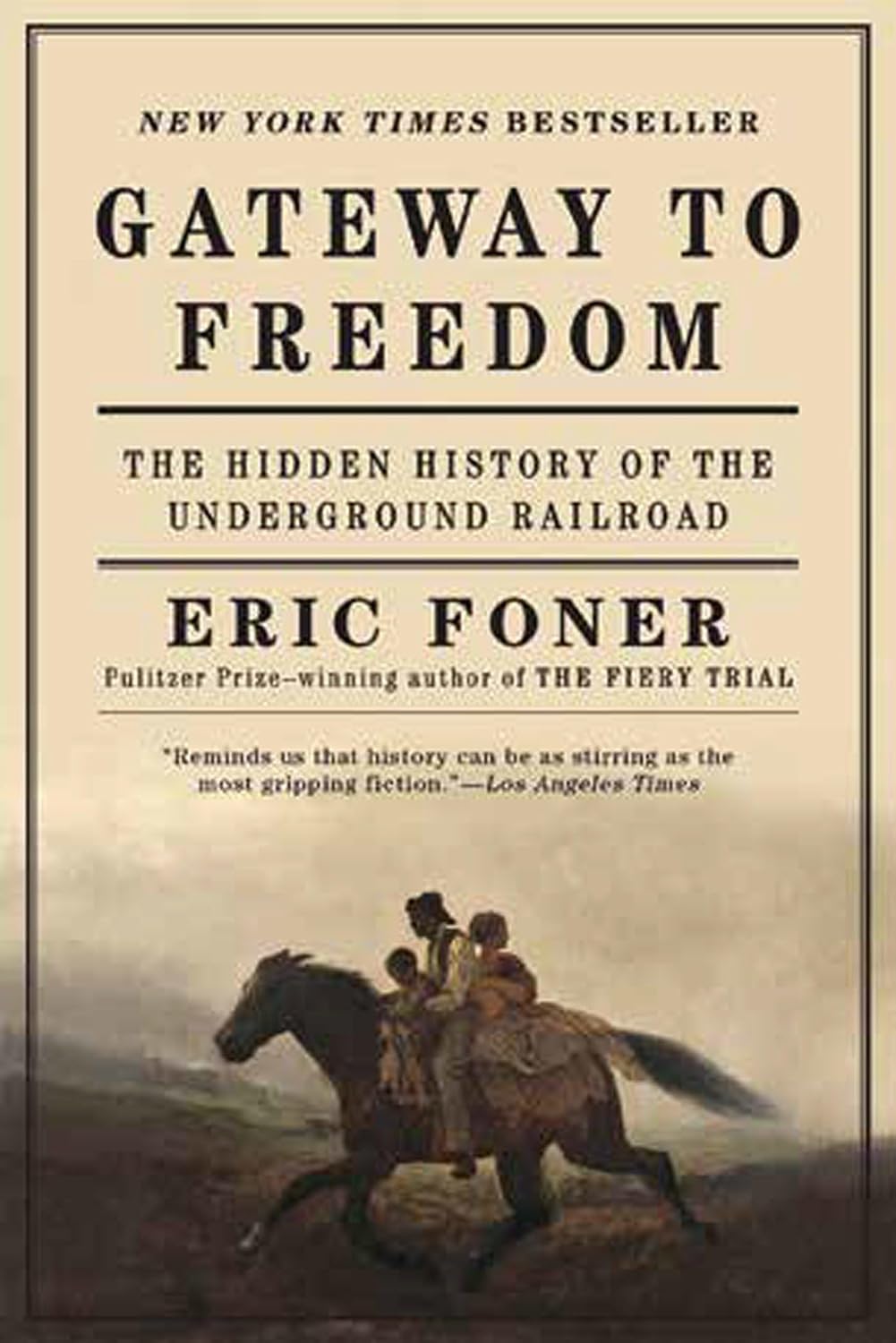
Gateway to Freedom: The Hidden History of the Underground Railroad
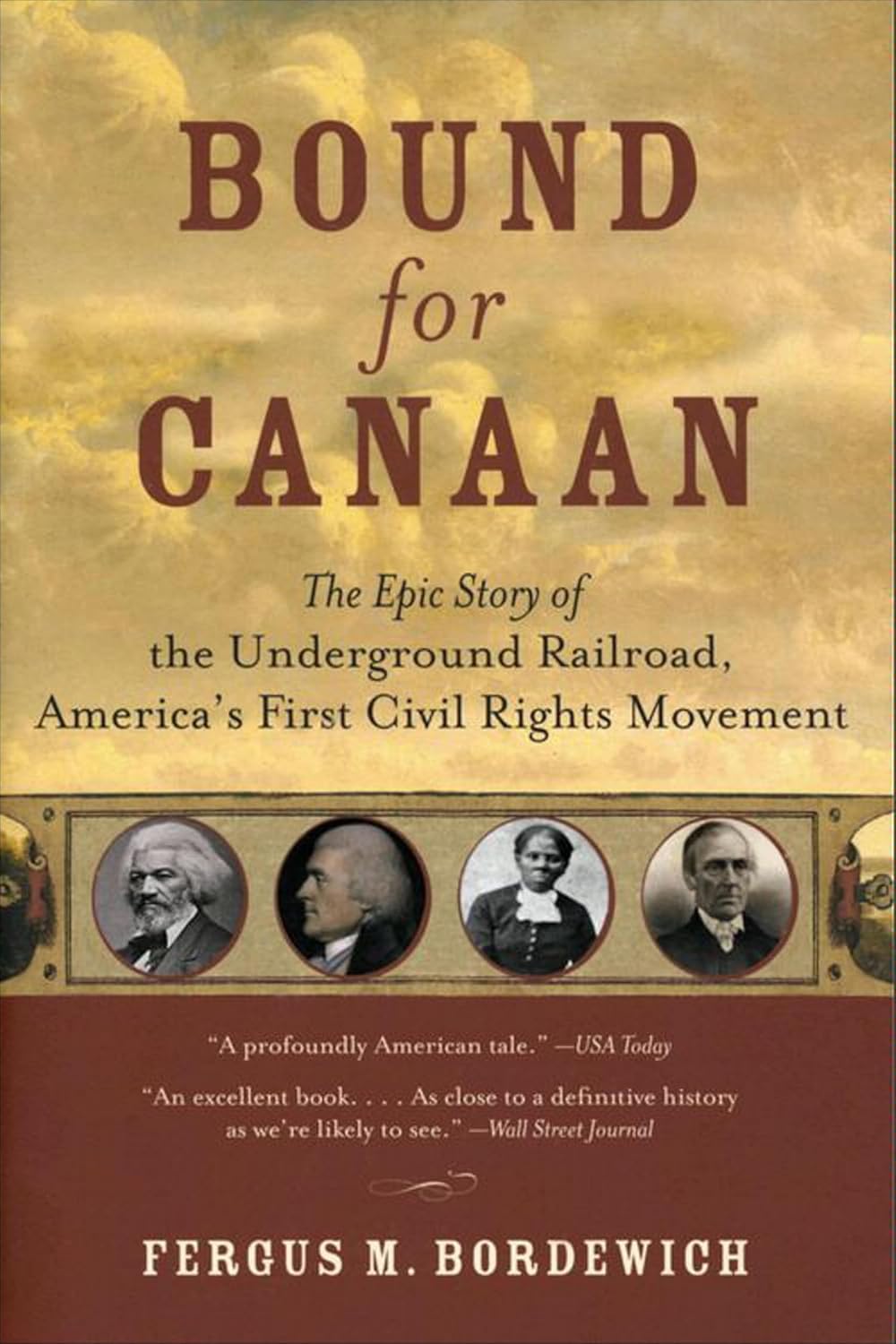
Bound for Canaan: The Epic Story of the Underground Railroad
I've Got a Home in Glory Land: A Lost Tale of the Underground Railroad
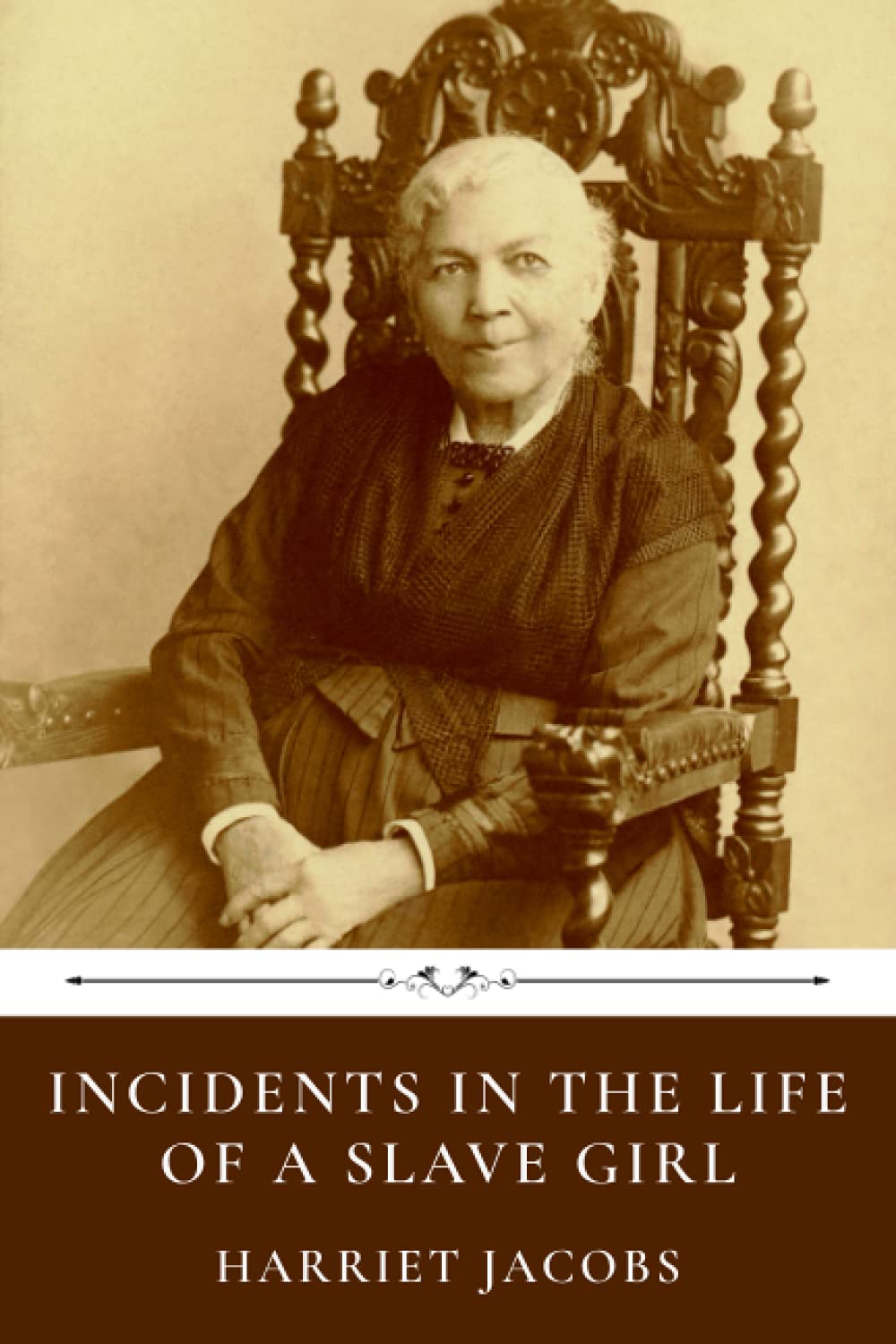
Incidents in the Life of a Slave Girl
Best Historical Fiction & Novels
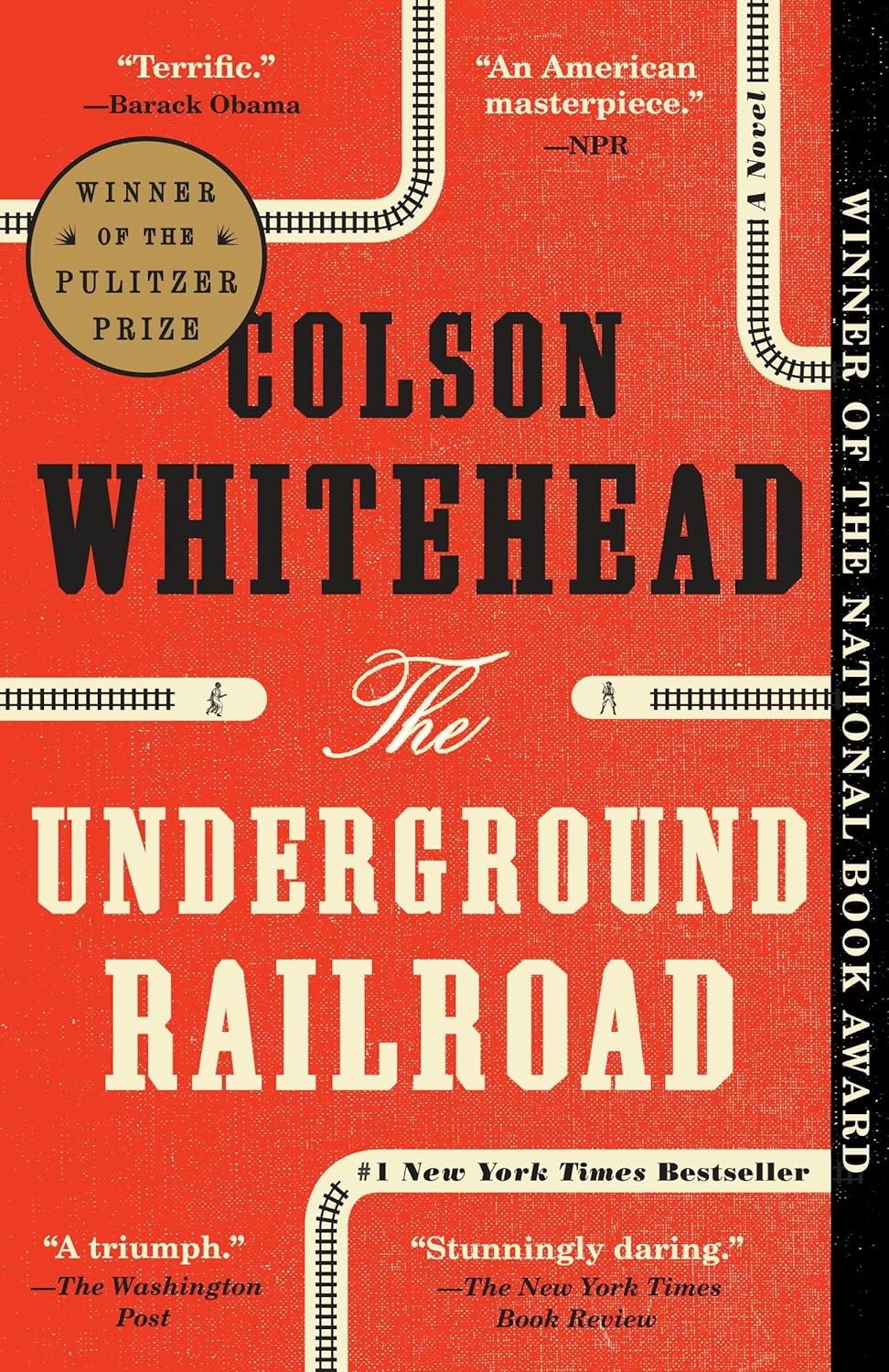
The Underground Railroad
Impact & Consequences of the Underground Railroad
The Underground Railroad had profound effects on American society, intensifying sectional conflicts between North and South. By undermining the Fugitive Slave Laws and showcasing the brutality of slavery, it fueled abolitionist movements and heightened tensions that eventually led to the Civil War. The network also demonstrated the power of interracial cooperation, as Black and white activists worked together at great personal risk.
Beyond its immediate impact, the Underground Railroad left an enduring legacy. It became a symbol of resistance and hope, inspiring future civil rights movements. Today, its routes and safe houses are preserved as historic sites, reminding us of the courage and ingenuity of those who fought for freedom against impossible odds.
Frequently Asked Questions
How many people escaped using the Underground Railroad?
Historians estimate that between 40,000 and 100,000 enslaved individuals reached freedom through the Underground Railroad, though exact numbers are uncertain due to its secretive nature.
Was the Underground Railroad actually a railroad?
No, it was a metaphorical name for the network of secret routes and safe houses. The term "railroad" reflected the coded language used by participants, such as "conductors" (guides) and "stations" (safe houses).
Who was the most famous conductor of the Underground Railroad?
Harriet Tubman is the most renowned conductor, having made an estimated 13 missions to rescue dozens of enslaved people, with some accounts citing around 70 individuals. Her bravery earned her the nickname "Moses of her people."
Did the Underground Railroad operate in the South?
While most routes ran from the South to the North or Canada, operations in the Deep South were riskier and less formalized. Most activity occurred in border states like Maryland and Kentucky.
As an Amazon Associate, we earn from qualifying purchases.