Watergate Scandal: Best Books & Historical Overview
What Was the Watergate Scandal?
The Watergate Scandal was a political crisis in the early 1970s that led to the resignation of U.S. President Richard Nixon. It began with the June 17, 1972, break-in at the Democratic National Committee headquarters in the Watergate office complex in Washington, D.C., orchestrated by operatives linked to Nixon's reelection campaign. Investigations revealed a web of illegal activities, including wiretapping, espionage, and cover-ups, implicating high-ranking White House officials.
The scandal unfolded over two years, with explosive revelations from whistleblowers, congressional hearings, and investigative journalism—most notably by Bob Woodward and Carl Bernstein of The Washington Post. Nixon's involvement in obstructing justice was confirmed by secret White House tape recordings, leading to his resignation on August 9, 1974. Watergate remains a defining example of government corruption and the importance of checks and balances, reshaping public trust in American politics.
Book Comparison at a Glance
| Book | Readability | Depth | Best For |
|---|---|---|---|
| *All the President's Men* | High | In-depth reporting | Readers wanting the definitive account |
| *Watergate: A New History* | Moderate | Exhaustive research | History buffs seeking full context |
| *King Richard* | High | Narrative-driven | Fans of dramatic storytelling |
| *Nightmare* | Moderate | Academic rigor | Scholars analyzing Nixon's era |
| *The Final Days* | High | Insider perspective | Casual readers interested in fallout |
Best Books About the Watergate Scandal
The Watergate scandal has inspired countless books, but these five stand out for their depth, readability, and unique perspectives. Whether you're looking for investigative journalism, comprehensive histories, or gripping narratives, these titles offer unparalleled insights.
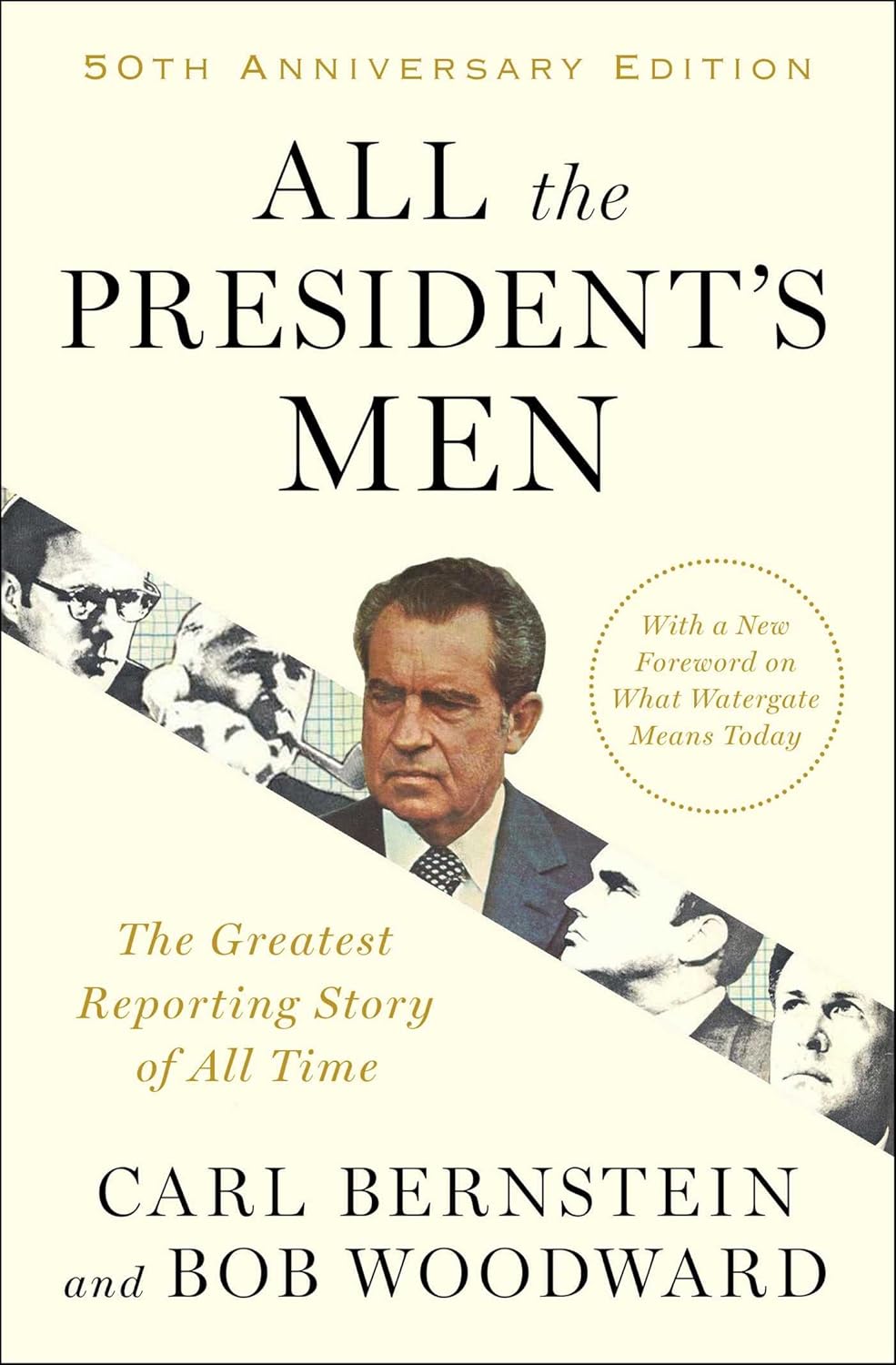
All the President's Men
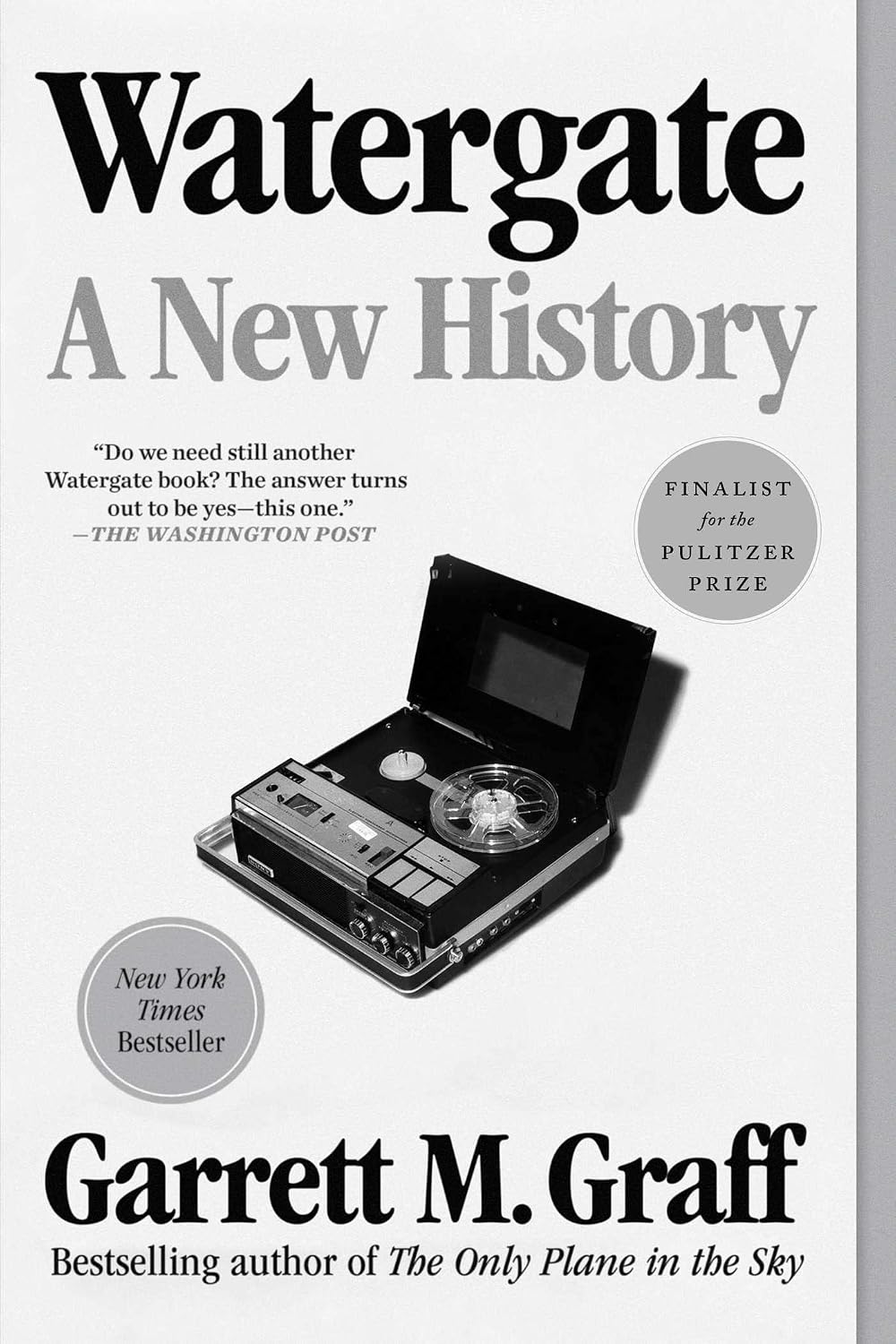
Watergate: A New History
![[PLACEHOLDER IMAGE — not the real book cover]](/images/cover-wilson-the-odyssey.jpg)
King Richard: Nixon and Watergate—An American Tragedy
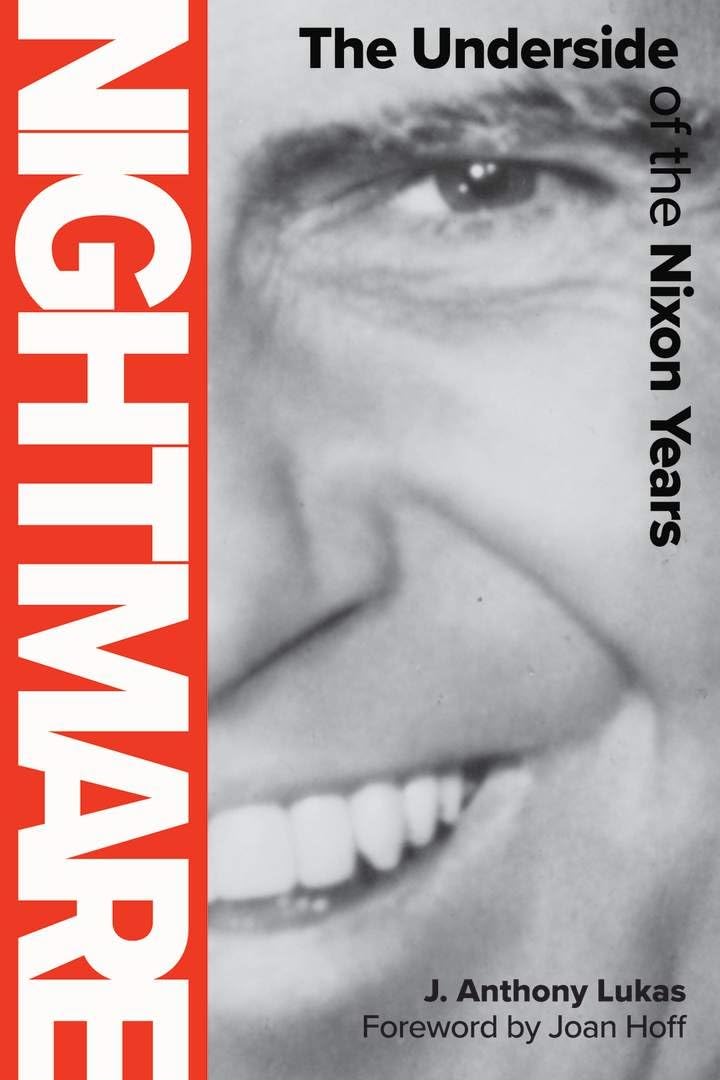
Nightmare: The Underside of the Nixon Years
The Final Days
Impact & Consequences of the Watergate Scandal
The Watergate scandal had profound and lasting effects on American politics and culture. It eroded public trust in government, leading to reforms like the Ethics in Government Act (1978), which established stricter campaign finance laws and created the Office of Independent Counsel. The scandal also intensified media scrutiny of politicians, cementing investigative journalism as a critical watchdog.
Legally, Watergate set precedents for executive accountability, including the principle that presidents are not above the law. Nixon's resignation marked the first (and so far only) time a U.S. president left office due to misconduct. The scandal's legacy persists in modern political discourse, with "-gate" becoming shorthand for public scandals. It remains a cautionary tale about abuse of power and the importance of transparency.
Frequently Asked Questions
What did John Dean confess?
John Dean, Nixon's White House Counsel, confessed to his role in the Watergate cover-up during Senate hearings, revealing Nixon's direct involvement in obstructing justice. His testimony was pivotal in linking the president to the scandal.
What book is about Watergate?
Numerous books cover Watergate, but All the President's Men by Woodward and Bernstein is the most famous, detailing their investigative reporting that exposed the scandal.
Did Nixon ever apologize for Watergate?
Nixon never issued a direct public apology for Watergate, though in a 1977 interview with David Frost, he admitted he "let the American people down" and made mistakes.
Which president cried and quit?
Richard Nixon announced his resignation in a televised address on August 8, 1974, and delivered an emotional farewell to White House staff the following day, becoming the only U.S. president to resign from office.
As an Amazon Associate, we earn from qualifying purchases.