Winter War: Best Books & Historical Overview
What Was the Winter War?
The Winter War was a military conflict between the Soviet Union and Finland that lasted from November 30, 1939, to March 13, 1940. Triggered by Soviet demands for territorial concessions and Finland's refusal to comply, the war saw a vastly outnumbered Finnish defense force hold off the Red Army for over three months. Despite eventual Soviet victory, Finland retained its independence, and the conflict exposed critical weaknesses in Soviet military preparedness.
The war is historically significant for its David vs. Goliath narrative, showcasing Finnish resilience and innovative tactics against a numerically superior foe. It also influenced World War II dynamics, as Hitler interpreted Soviet struggles as evidence of military vulnerability, shaping his decision to invade the USSR in 1941. The Winter War remains a defining moment in Finnish national identity and military history.
Book Comparison at a Glance
| Book | Readability | Depth | Best For |
|---|---|---|---|
| A Frozen Hell | High | Comprehensive | Balanced overview seekers |
| The Winter War | Moderate | Analytical | Military history enthusiasts |
| Finland at War | High | Broad strokes | Casual readers & newcomers |
| The Unknown Soldier | Moderate | Emotional depth | Fiction lovers & patriots |
| The White Death | Low | Niche focus | Sniper tactics specialists |
Best Books About the Winter War
The Winter War has inspired a range of authoritative books, from gripping narratives to scholarly analyses. Below are the definitive works on the conflict, each offering a unique perspective.
Top Nonfiction Books
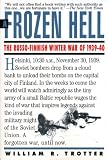
A Frozen Hell: The Russo-Finnish Winter War of 1939-1940
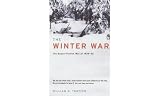
The Winter War: The Russo-Finnish War of 1939-40
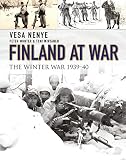
Finland at War: The Winter War 1939-40
The White Death: A History of the Winter War
Best Historical Fiction & Novels
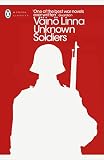
The Unknown Soldier
Impact & Consequences of the Winter War
The Winter War reshaped Finland’s geopolitical trajectory. Though forced to cede 11% of its territory in the Moscow Peace Treaty, Finland avoided Soviet occupation—a rare feat for USSR neighbors. The war galvanized national unity, with Finland later aligning tactically with Nazi Germany during the Continuation War (1941–44) to reclaim lost lands, a decision born of pragmatism rather than ideology.
Internationally, the conflict damaged Soviet prestige; their staggering casualties (over 300,000) contrasted with Finland’s disciplined defense (26,000 dead). This perceived weakness influenced Hitler’s Operation Barbarossa planning. Post-war, Finland adopted a policy of neutrality, balancing Western and Soviet relations during the Cold War—a model now termed "Finlandization."
Finnish Sniper Warfare & Simo Häyhä
Simo Häyhä, dubbed "The White Death," became a legend for his unparalleled sniper record—over 500 confirmed kills in just 100 days. His tactics, like using iron sights to avoid scope glare and packing snow to muffle muzzle blasts, epitomized Finnish ingenuity. Häyhä’s exploits symbolize the Finns’ asymmetric warfare prowess against Soviet numerical superiority.
Finnish snipers leveraged their intimate knowledge of terrain and harsh winter conditions, often skiing between positions. Their effectiveness forced Soviet troops to avoid open movements, slowing advances. Modern military studies still analyze these tactics, with Häyhä’s story immortalized in books like The White Death and countless documentaries.
Military Tactics & Strategy of the Winter War
Finnish forces perfected the motti tactic—encircling and fragmenting Soviet columns into smaller, isolated pockets to neutralize their numerical advantage. This, combined with mobile ski troops and sabotage, allowed Finland to inflict disproportionate casualties. The Soviets, unprepared for winter warfare, relied on sheer numbers and suffered heavily from frostbite and supply failures.
Finnish strategy emphasized flexibility and decentralized command, contrasting with Soviet rigidity. Key battles like Suomussalmi demonstrated how terrain mastery and guerrilla tactics could thwart conventional armies. These lessons later influenced Cold War-era doctrines for fighting in extreme environments.
Winter War vs. Continuation War
The Winter War (1939–40) and Continuation War (1941–44) are distinct yet interconnected conflicts. The former was a Finnish defensive struggle against Soviet invasion, while the latter saw Finland ally with Nazi Germany to reclaim lost territories. Critical differences include scale—the Continuation War involved larger fronts and international alliances—and outcomes: Finland retained independence post-1944 but ceded more land and paid reparations.
While the Winter War is celebrated for Finnish resilience, the Continuation War remains controversial due to its Nazi ties. Both conflicts underscore Finland’s precarious balancing act between survival and sovereignty amid great-power rivalries.
Frequently Asked Questions
What do Finns call the Winter War?
Finns refer to it as Talvisota, literally "Winter War."
Did anyone help Finland in the Winter War?
International volunteers (e.g., Swedish, Norwegian) and limited foreign arms shipments arrived, but no official military aid was provided by major powers.
As an Amazon Associate, we earn from qualifying purchases.