Zulu Wars: Best Books & Historical Overview
What Was the Zulu Wars?
The Zulu Wars (1879) were a series of conflicts between the British Empire and the Zulu Kingdom in southern Africa, culminating in the Anglo-Zulu War. The most famous battles—Isandlwana and Rorke’s Drift—occurred in January 1879, where the Zulus inflicted a devastating defeat on the British at Isandlwana but were repelled at Rorke’s Drift. The war ended with the British victory at Ulundi in July 1879, leading to the annexation of Zululand. These events are significant for their dramatic military encounters, colonial tensions, and the resilience of Zulu warriors against a technologically superior force.
The conflict arose from British imperial ambitions and Zulu King Cetshwayo’s refusal to disband his army. The wars reshaped southern Africa’s political landscape, accelerating British dominance while immortalizing Zulu military tactics and bravery. Today, they remain a focal point for studying colonialism, indigenous resistance, and 19th-century warfare.
Book Comparison at a Glance
| Book | Readability | Depth | Best For |
|---|---|---|---|
| Zulu Rising | High | Detailed battle analysis | Readers wanting vivid narratives |
| The Washing of the Spears | Moderate | Sweeping historical scope | Those seeking full context |
| Rorke's Drift | High | Firsthand accounts | Fans of primary sources |
| How Can Man Die Better | Moderate | Tactical deep dive | Military history enthusiasts |
Best Books About Zulu Wars
The Zulu Wars have inspired rigorous historical accounts, each offering unique perspectives. Below are the definitive books on the subject, chosen for their authority and distinct approaches.
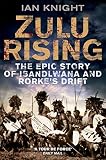
Zulu Rising: The Epic Story of iSandlwana and Rorke's Drift
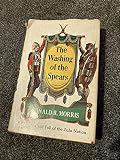
The Washing of the Spears: A History of the Rise of the Zulu Nation under Shaka and Its Fall in the Zulu War of 1879
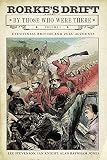
Rorke's Drift: By Those Who Were There
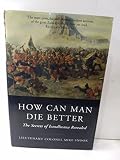
How Can Man Die Better: The Secrets of Isandlwana Revealed
Impact & Consequences of Zulu Wars
The Zulu Wars had profound consequences for southern Africa. The British victory fragmented the Zulu Kingdom, leading to its eventual annexation in 1887. The wars also exposed vulnerabilities in British colonial tactics, prompting military reforms. For the Zulus, the conflict marked the end of their independence but cemented their legacy as formidable warriors.
Culturally, the wars entered global consciousness through films like Zulu (1964), which romanticized Rorke’s Drift. Historians debate the long-term effects, noting how colonial narratives often overshadowed Zulu perspectives. Today, the wars are studied for their lessons on imperialism, resilience, and the clash of civilizations.
Zulu Perspective & Cultural Accounts
While most accounts of the Zulu Wars are British-centric, interest in Zulu-authored narratives has grown. Searches for "Zulu perspective books" reflect a demand for voices like those of King Cetshwayo or warrior accounts. Unfortunately, few primary Zulu texts survive, but modern scholars increasingly incorporate oral histories to balance the record.
Books like The Washing of the Spears touch on Zulu culture, but readers seeking deeper insights might explore Zulu folklore or postcolonial analyses. The heroism of figures like Prince Dabulamanzi (who led the attack at Rorke’s Drift) is celebrated in Zulu tradition, offering a counterpoint to British glorification.
Key Figures & Biographies
The Zulu Wars were shaped by iconic leaders. King Cetshwayo, the last independent Zulu ruler, is central to biographies, with his exile after the war symbolizing colonial suppression. Shaka Zulu’s earlier reforms (like the impi regiments) are often linked to the Zulus’ 1879 tactics.
British figures like Lord Chelmsford and Lieutenants Chard and Bromhead (of Rorke’s Drift fame) dominate Western accounts. However, queries like "Who was the most famous Zulu warrior?" reveal enduring fascination with figures like Ntshingwayo kaMahole, the victor of Isandlwana.
Battle-Specific Books
The battles of Isandlwana and Rorke’s Drift dominate Zulu War literature. Isandlwana, where 20,000 Zulus overwhelmed 1,700 British troops, is analyzed in How Can Man Die Better for its tactical intricacies. Rorke’s Drift, where 150 British defenders held off 4,000 Zulus, is immortalized in Rorke’s Drift: By Those Who Were There through survivor accounts.
Searches for "best Isandlwana books" and "Rorke’s Drift books" underscore their legendary status. These battles exemplify the Zulus’ disciplined warfare and the British Empire’s near-collapse, making them perennial subjects for historians.
Frequently Asked Questions
What was the most famous Zulu Battle?
The Battle of Isandlwana (22 January 1879) was the Zulus’ greatest victory, while Rorke’s Drift (22–23 January 1879) became famous for British defiance.
Who was the real hero of Rorke’s Drift?
Lieutenants John Chard and Gonville Bromhead were awarded Victoria Crosses, but Zulu Prince Dabulamanzi’s leadership is equally celebrated in Zulu accounts.
What are the most popular Zulu novels?
While this page focuses on nonfiction, Emperor Shaka the Great by Mazisi Kunene is a notable epic poem from a Zulu perspective.
How much of the film Zulu is true?
The 1964 film Zulu dramatizes Rorke’s Drift but omits key details, like the Zulus’ exhaustion after Isandlwana and the defenders’ use of mealie-bag barricades.
Why did Zulus lose at Rorke’s Drift?
The Zulus were fatigued from Isandlwana, lacked firearms, and faced a fortified position. British firepower and discipline proved decisive.
What books are about the Battle of Rorke’s Drift?
Rorke’s Drift: By Those Who Were There and Zulu Rising offer definitive accounts, blending British and Zulu perspectives.
As an Amazon Associate, we earn from qualifying purchases.