Beowulf is the oldest surviving major work of English literature — composed somewhere between the eighth and eleventh centuries in Old English, a language that is effectively a foreign tongue to modern readers. It is a poem about monsters and glory, about the duty of the strong to protect the weak, about the cold fact that all things end. It is also, depending on your translation, a thunderous piece of oral performance, a scholarly edition bristling with footnotes, or a twenty-first century text that begins with "Bro."
Every Beowulf translation is also an argument about what kind of poem this is. The Old English original is densely alliterative — each line built around initial consonant sounds, without rhyme — and translators must decide whether to preserve that formal structure in English or abandon it for something more readable. They must also decide how archaic the language should feel, how close to modern idiom, how faithful to the Norse social world the poem describes. These decisions produce texts that can feel quite far apart.
The Seamus Heaney translation is this guide's primary recommendation. It is the translation that has brought more readers to Beowulf than any other version in the past century, and it earns that readership honestly.
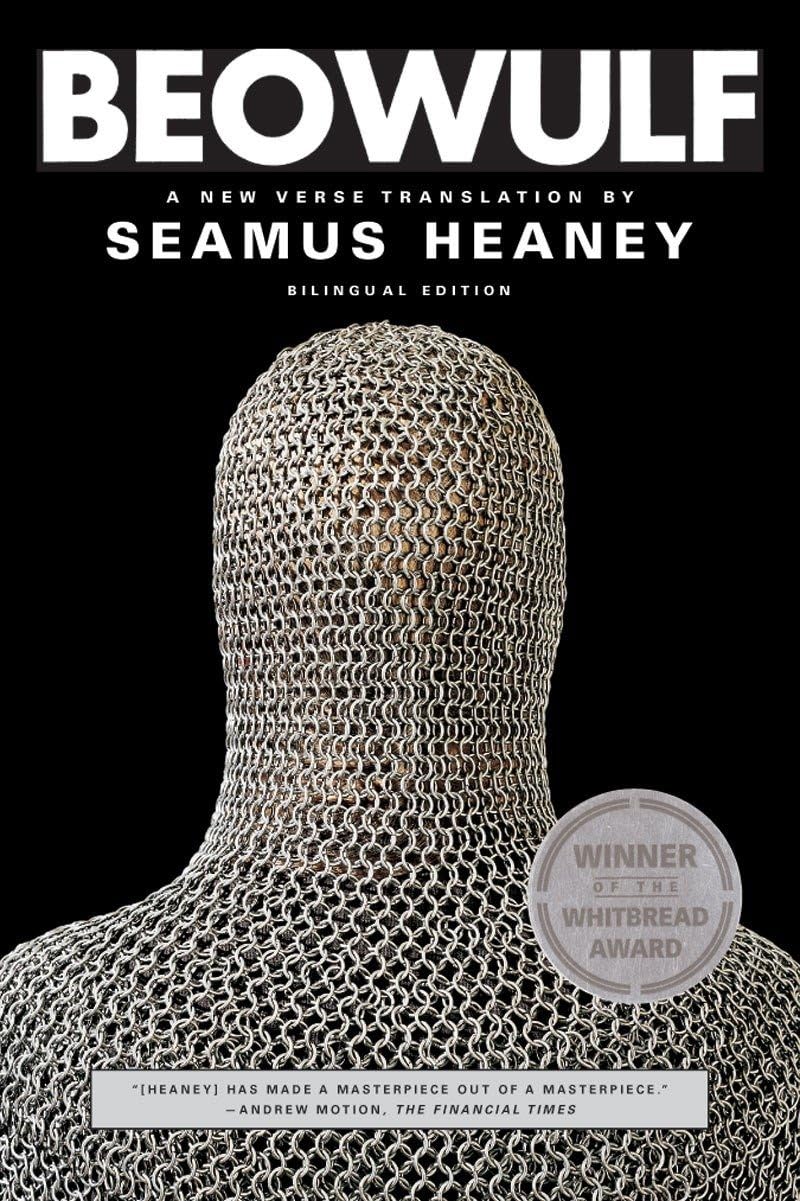
Beowulf — trans. Seamus Heaney (2000)
First translation, recommended for most readers
Heaney's 2000 translation is one of the most celebrated acts of literary translation of the past fifty years. The Nobel Prize-winning Irish poet brought to Beowulf an ear formed on the alliterative traditions of Anglo-Saxon verse and a sensibility attuned to the landscape and cadences of rural Ulster — a world of farms, clans, loyalty, and violence that Heaney felt as a genuine echo of the poem's social world. His opening line — "So. The Spear-Danes' glory through the ages was great" — establishes immediately that this will be a living thing, not a monument. The bilingual Norton edition prints Old English and modern English on facing pages, which is the right format: it lets you feel the original without having to decode it. Heaney's alliterative lines carry real physical weight, and the poem's most famous set-pieces — Grendel's approach across the moors, Beowulf's descent into the mere, the dragon's hoard — arrive with the force they deserve. The essential modern Beowulf.
Buy on Amazon → 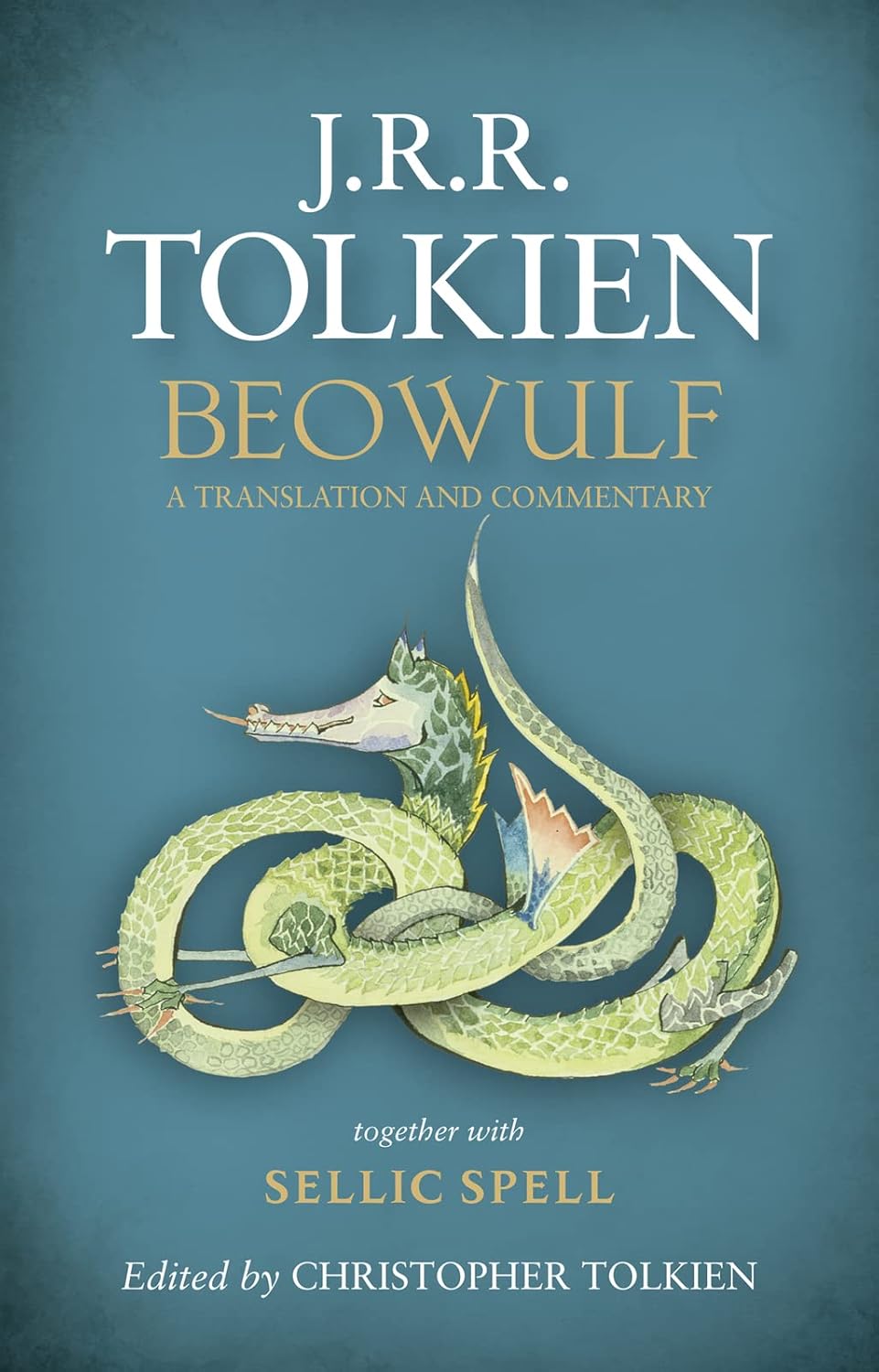
Beowulf: A Translation and Commentary — trans. J.R.R. Tolkien (2014)
The scholar's translation — essential for Tolkien readers and Old English students
Tolkien spent decades working on Beowulf as a professional Old English scholar at Oxford — he delivered famous lectures on the poem and wrote "Beowulf: The Monsters and the Critics," the 1936 essay that reset the scholarly debate about the poem's literary value. His translation, completed long before his death in 1973 and published posthumously in 2014 by his son Christopher Tolkien, reflects that lifelong engagement. It is more archaic and more literal than Heaney's version, deliberately reaching for the feel of the Norse and Anglo-Saxon world rather than accommodating the modern reader. The volume also includes Tolkien's "Sellic Spell" — a prose retelling of the Beowulf legend as a folk tale — and his verse renderings of the two Beowulf Lays, making it a genuinely rich scholarly edition. Those who have read Heaney will find Tolkien illuminating: a different kind of poet-scholar, with different priorities. Essential for anyone interested in the poem's relationship to Tolkien's own fantasy world, where the influence is everywhere.
Buy on Amazon → 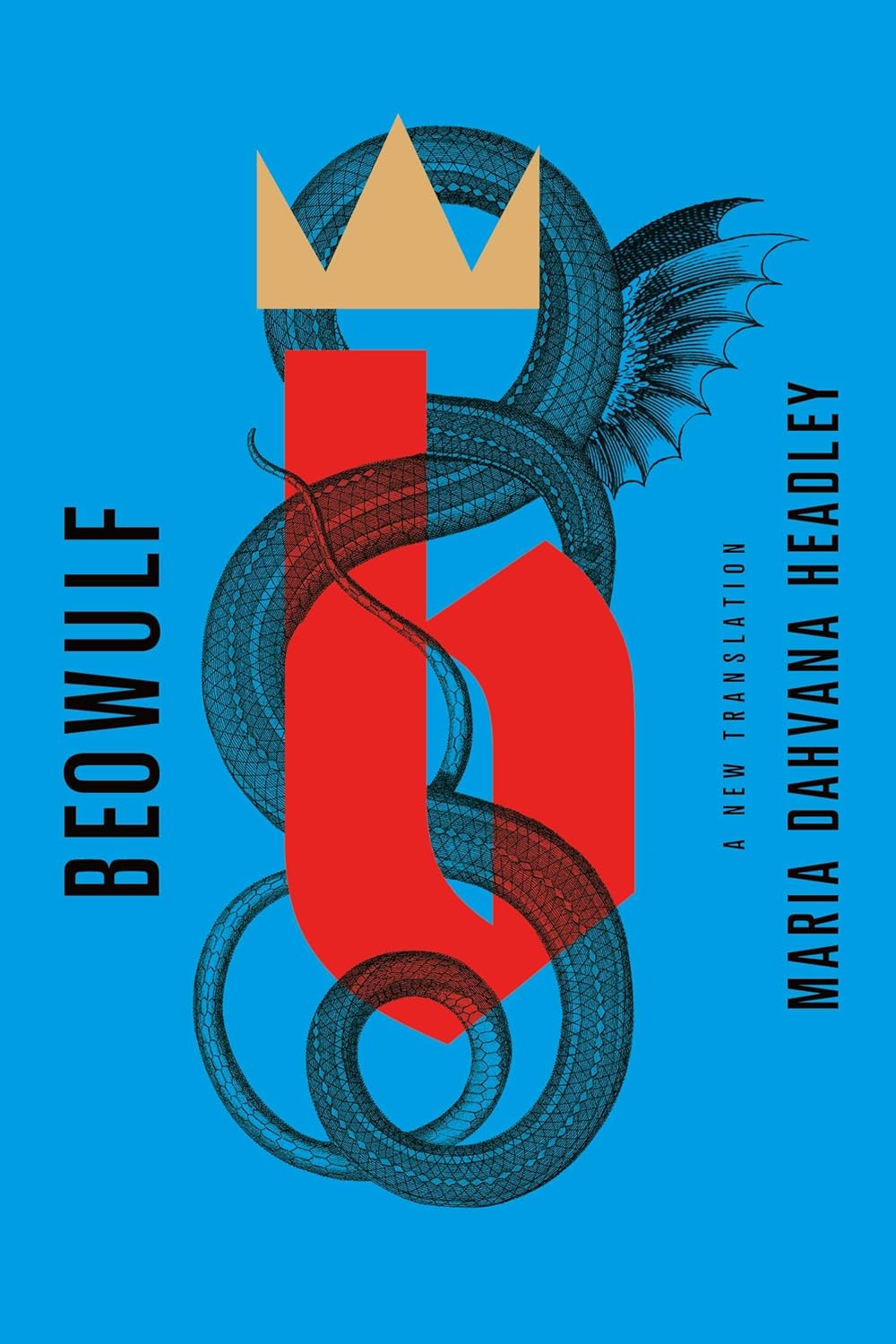
Beowulf: A New Translation — trans. Maria Dahvana Headley (2020)
Most contemporary — best for readers interested in what translation can do
Headley's 2020 translation arrived with considerable noise, largely because of its opening word: "Bro!" Where earlier translators render the Old English exclamation "Hwæt!" as "Listen!" or "So" or "Attend!" — a call for the audience's attention — Headley translates it into the idiom of contemporary male social performance. The choice is deliberate and argued: Beowulf was composed for oral delivery to a hall full of warriors, and "Bro" captures the atmosphere of that performance in a way "Listen" does not. The rest of the translation is similarly bold, mixing colloquial contemporary English with moments of formal grandeur, drawing out the poem's latent irony, and foregrounding female characters and perspectives that more traditional translations tend to minimise. Headley is the author of The Mere Wife, a feminist novel retelling Beowulf from Grendel's mother's point of view, and her knowledge of the poem's gender politics is deep. This is not the translation for a first encounter; it is the translation for a second reading, or for a reader who already knows the poem and wants to see it through a radically different lens.
Buy on Amazon → As an Amazon Associate, I earn from qualifying purchases.