The Complete Guide to Reading the Odyssey

The World of Odysseus

The Mediterranean world — real geography, mythological space, and the laws of hospitality

Before you dive into the Odyssey, you need to understand that the poem moves through two kinds of space at once. One is the real Bronze Age Mediterranean—the Aegean islands, sailing routes, and Mycenaean kingdoms that actually existed. The other is mythological space—Circe's island, the land of the dead, Calypso's hidden cave—places that exist outside ordinary geography.

Recognizing which kind of space Odysseus occupies at any given moment is one of the keys to reading the Odyssey. When he's in Ithaca or with the Phaeacians, you're in the historical world of Bronze Age Greece. When he's facing the Cyclops or descending to the underworld, you've crossed into myth. The poem doesn't announce these transitions—you have to feel them.

Xenia: The Guest-Friendship Code That Holds the World Together

What binds both the real and mythological worlds of the Odyssey is xenia—the ancient Greek code of hospitality and guest-friendship. Every island Odysseus lands on becomes a test: will xenia be honored or violated? The Cyclops Polyphemus violates it catastrophically when he devours Odysseus's men instead of offering them food and shelter—and he pays the price. The Phaeacians honor it perfectly, welcoming the stranger, listening to his story, and sending him home laden with gifts.

Understanding xenia before you begin transforms the Odyssey from a simple adventure story into a moral argument about what separates civilization from savagery. Ask yourself as you read: who offers hospitality, and who refuses it? The answer tells you everything about their character.
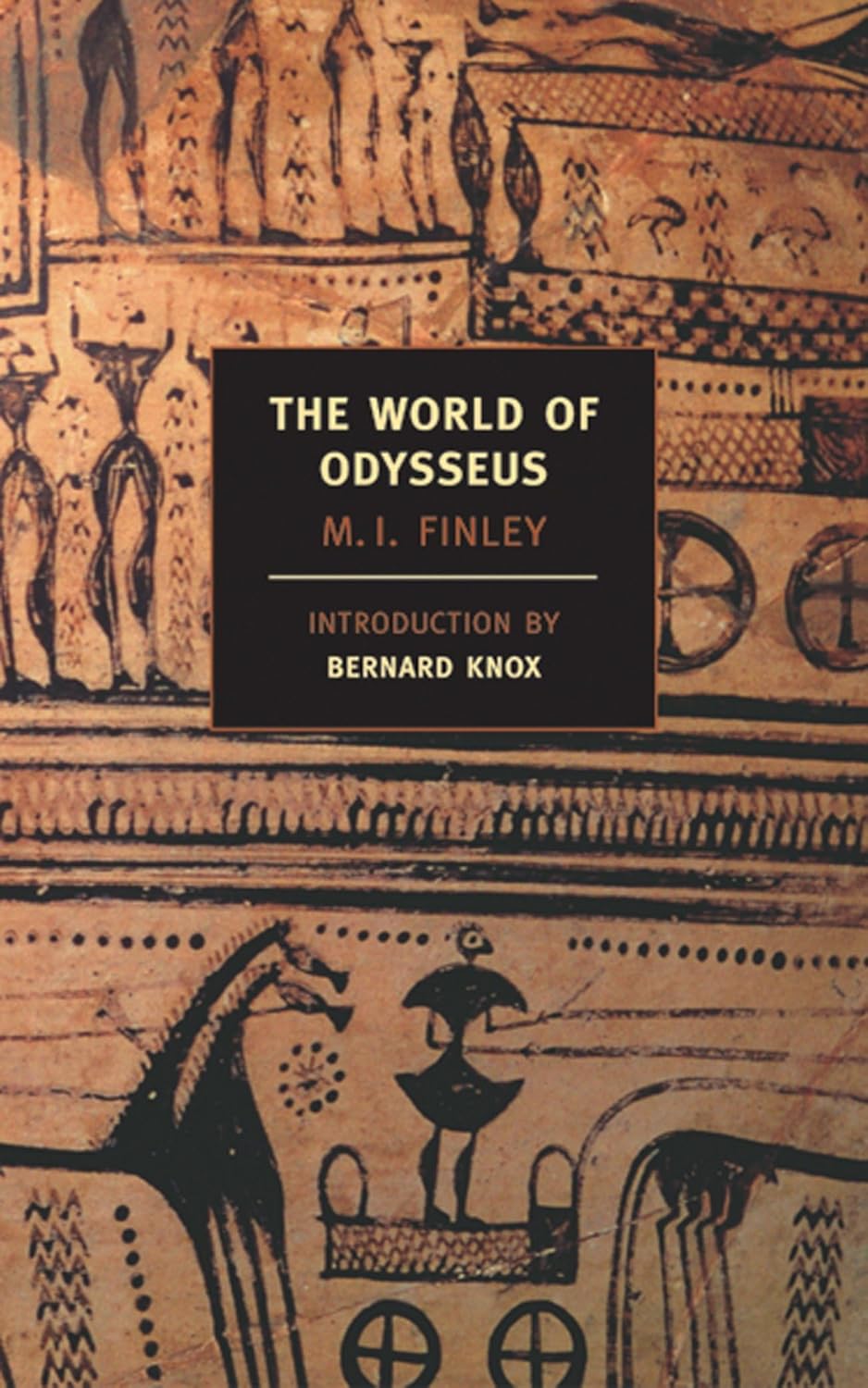
The World of Odysseus by M.I. Finley—understanding Bronze Age Greek society and xenia
The World of Odysseus
M.I. Finley
The foundational modern account of the Homeric social world—the economics, the honor codes, the guest-friendship system, and the political structures that govern every encounter in the poem. Finley reads Homer as a historical source rather than a literary text, and the result is indispensable. Understanding xenia, the gift economy, and heroic obligation before you read the Odyssey transforms it from a travel narrative into a social drama. Short, rigorous, and essential for anyone seeking an Odyssey reading guide grounded in historical context.
Buy on Amazon →
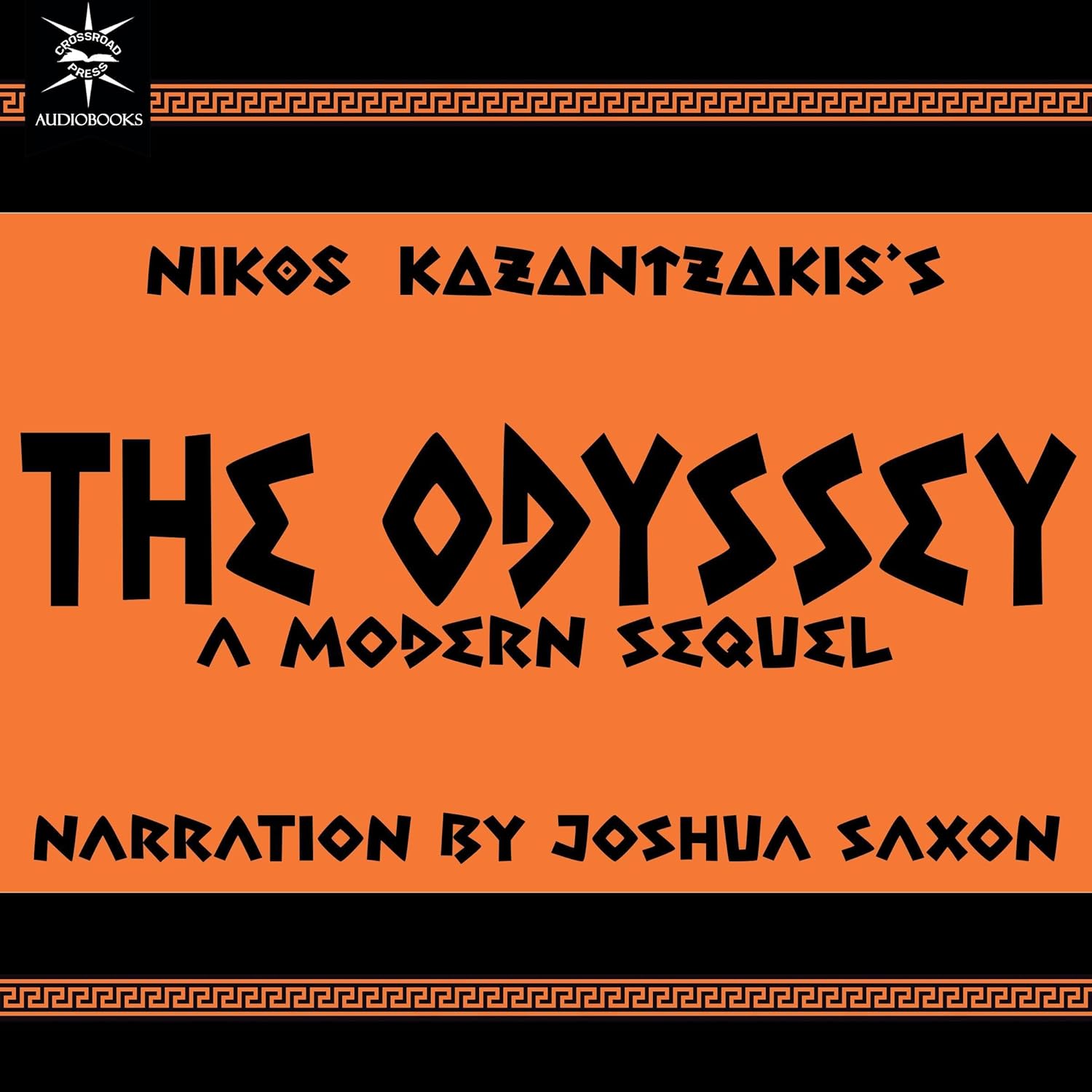
The Odyssey: A Modern Sequel by Kazantzakis—what happens after Odysseus returns home
The Odyssey: A Modern Sequel
Nikos Kazantzakis
Not scholarship but an imaginative extension—Kazantzakis's 33,333-line epic poem picks up where Homer leaves off, following Odysseus beyond Ithaca. Useful as a companion text for understanding what the Odyssey's ending leaves unresolved. Homer's Odysseus is a man who reaches home; Kazantzakis's cannot stay there. The contrast illuminates what Homer is actually arguing about homecoming and whether a hero can ever truly return.
Buy on Amazon →
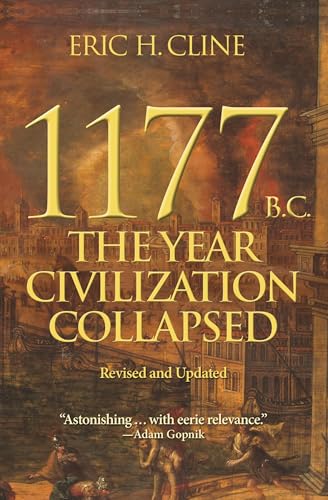
1177 BC by Eric Cline—Bronze Age collapse and the historical world of the Odyssey
1177 BC: The Year Civilization Collapsed
Eric H. Cline
The essential modern account of the Bronze Age Mediterranean world and its sudden, catastrophic end. The Odyssey is set in the aftermath of this collapse—the great Mycenaean palace economies gone, the trade routes disrupted, the old certainties dissolved. Cline's account of what that world looked like before it fell gives you the historical foundation for everything Odysseus is returning to. You'll understand why Ithaca feels so fragile, why the suitors can threaten Telemachus with impunity, and why Odysseus's homecoming matters so much. Reading this first makes the poem's pervasive atmosphere of loss and uncertainty feel entirely real.
Buy on Amazon →

As an Amazon Associate, I earn from qualifying purchases.

Compare the best Odyssey translations—Emily Wilson, Fagles, Lattimore side by side—or browse recommended editions and gifts for the serious reader.