The Brothers Karamazov is the longest, most philosophically ambitious novel Dostoevsky wrote — and the translation debate around it is more fractious than for any of his other works. Pevear and Volokhonsky, who are the near-universal recommendation for Crime and Punishment, have serious and credible critics here. Scholars who defend Garnett as old-fashioned elsewhere find her surprisingly defensible on Karamazov. And Ignat Avsey's Oxford translation, largely overlooked in casual reading circles, is quietly considered by many serious readers to be the finest version available.
This is a novel about faith, doubt, fathers, sons, and the existence of God — and the translator's voice is present on every page. The wrong translation doesn't just change how the novel reads. It changes what the novel argues.
The Pevear and Volokhonsky translation remains this guide's primary recommendation for most readers. It won the PEN/Book-of-the-Month Club Prize and is the most rigorous modern translation available. But unlike their Crime and Punishment, it has a genuine challenger — and if you are a serious reader approaching the novel for a second time, Avsey deserves your attention. If you're reading The Brothers Karamazov for the first time, start with Pevear and Volokhonsky.
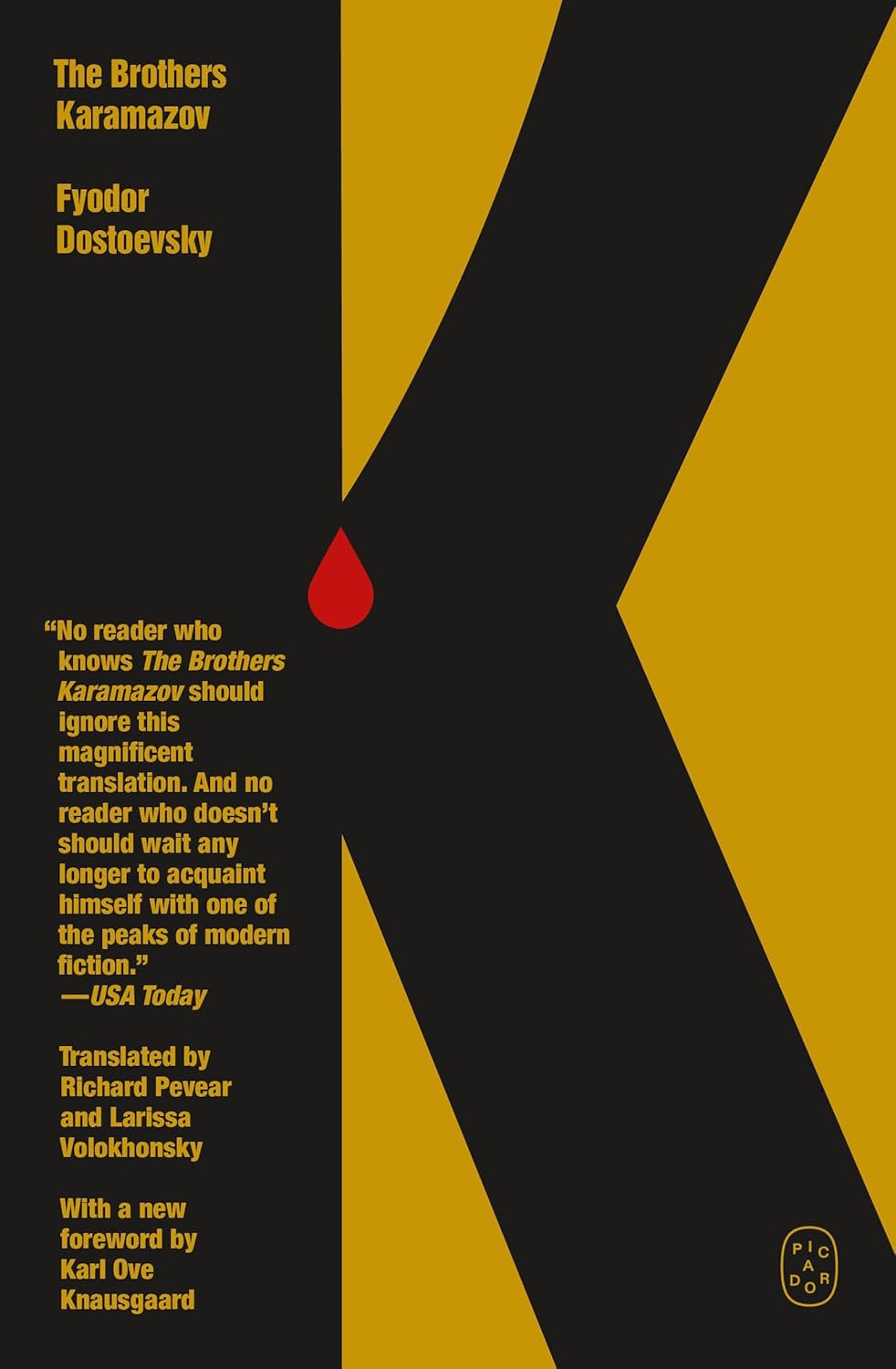
The Brothers Karamazov — trans. Richard Pevear & Larissa Volokhonsky (1990)
First translation, recommended for most readers
The PEN Prize-winning translation and the standard modern version. Pevear and Volokhonsky bring the same fidelity to Dostoevsky's rhythms here that made their Crime and Punishment definitive — the jagged sentences, the overlapping voices, the philosophical speeches that go on just long enough to feel genuinely dangerous. Father Zosima's teachings, Ivan's Grand Inquisitor, Alyosha's conversations — all land with full weight. Critics who find P&V stilted in other works tend to find them more at home here, where Dostoevsky's own prose is at its most demanding. The Farrar, Straus and Giroux edition is the standard; the Everyman's Library hardcover is the one to own for life.
Buy on Amazon → 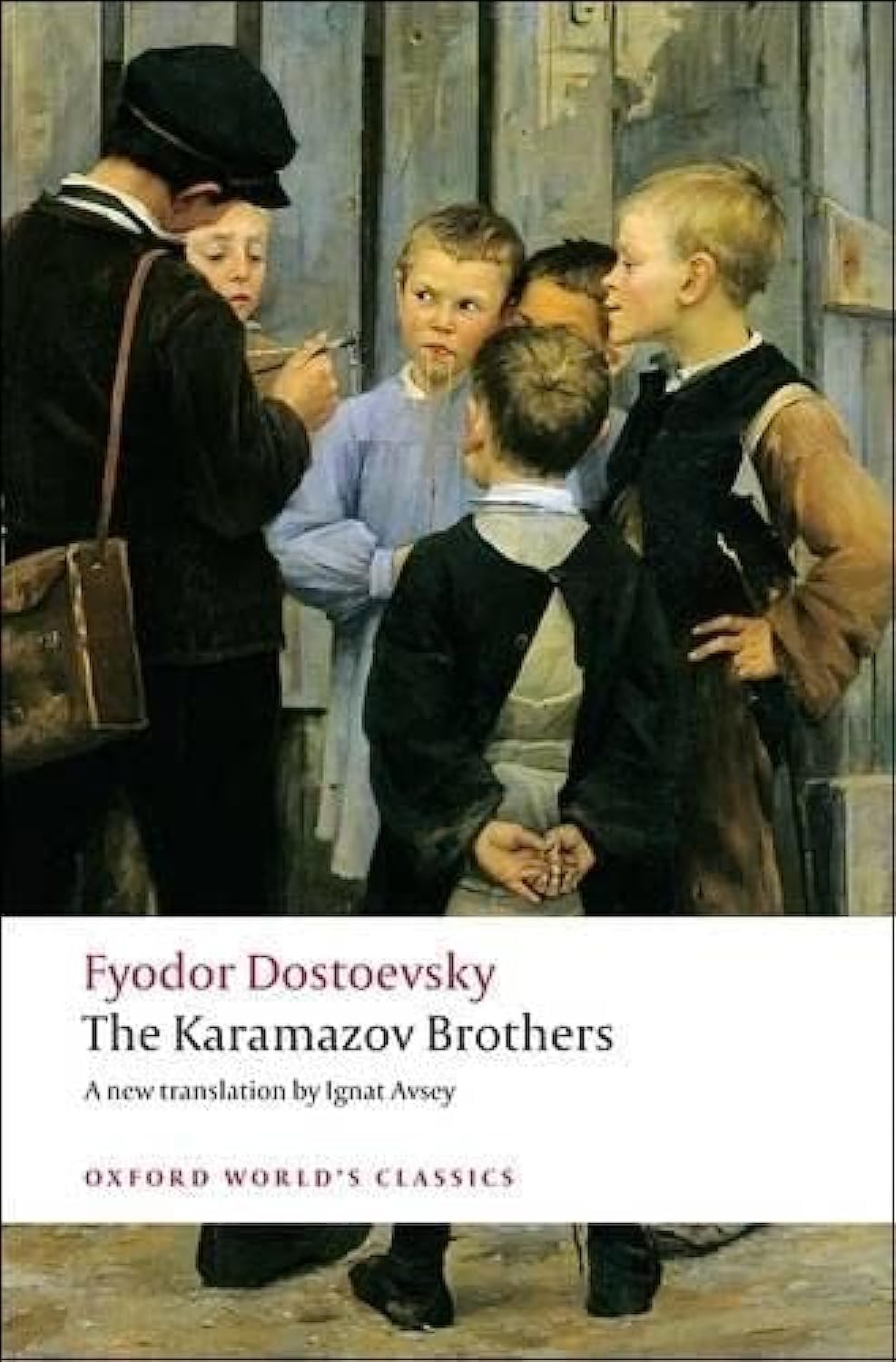
The Karamazov Brothers — trans. Ignat Avsey (1994)
The serious reader's alternative, most idiomatic English
Avsey's Oxford World's Classics translation is the most underrated version of this novel in English. Where Pevear and Volokhonsky preserve the Russian cadences at the cost of occasional awkwardness, Avsey writes in fluent, idiomatic modern English that never calls attention to itself as translation. His version is particularly strong on the novel's dialogue — the Karamazov family's arguments crackle with a naturalism that P&V's more literal approach sometimes flattens. Note that Avsey titles the novel The Karamazov Brothers rather than The Brothers Karamazov, a choice he defends persuasively in his introduction. The Oxford edition also includes a useful character chart, invaluable for navigating the novel's large cast.
Buy on Amazon → 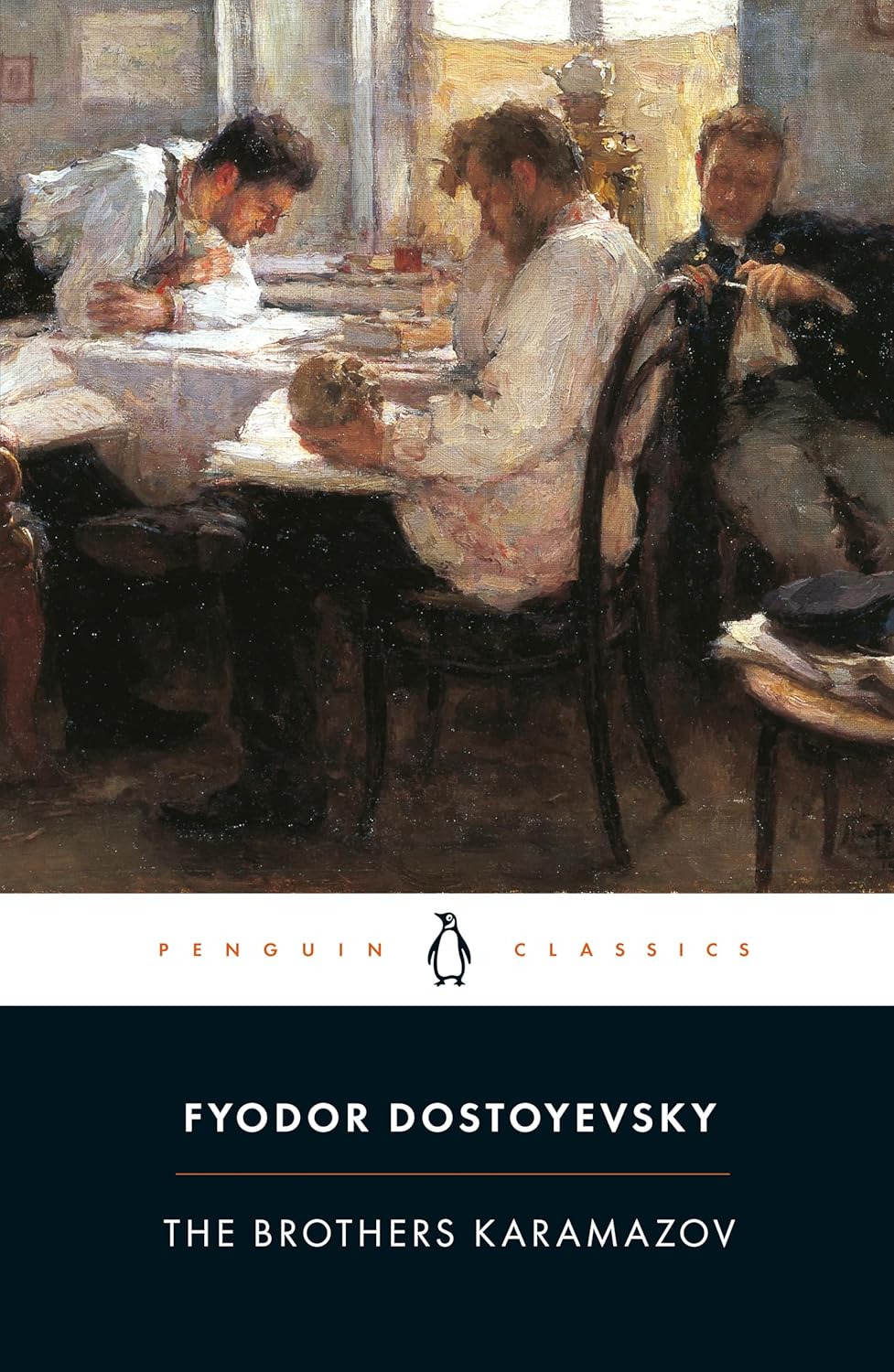
The Brothers Karamazov — trans. David McDuff (1993)
Most readable, best for narrative momentum
McDuff's Penguin Classics translation is leaner and faster than either Pevear or Avsey, and for a novel of this length — over eight hundred pages — that matters. Interestingly, readers who prefer McDuff's Crime and Punishment often find Pevear stronger on Karamazov, and vice versa. McDuff's version gives the novel's plot and characters priority over its philosophical texture, which makes it the most accessible entry point for readers who want to be carried through the story before wrestling with the ideas. A good first read, though serious readers will likely want to return with Pevear or Avsey.
Buy on Amazon → 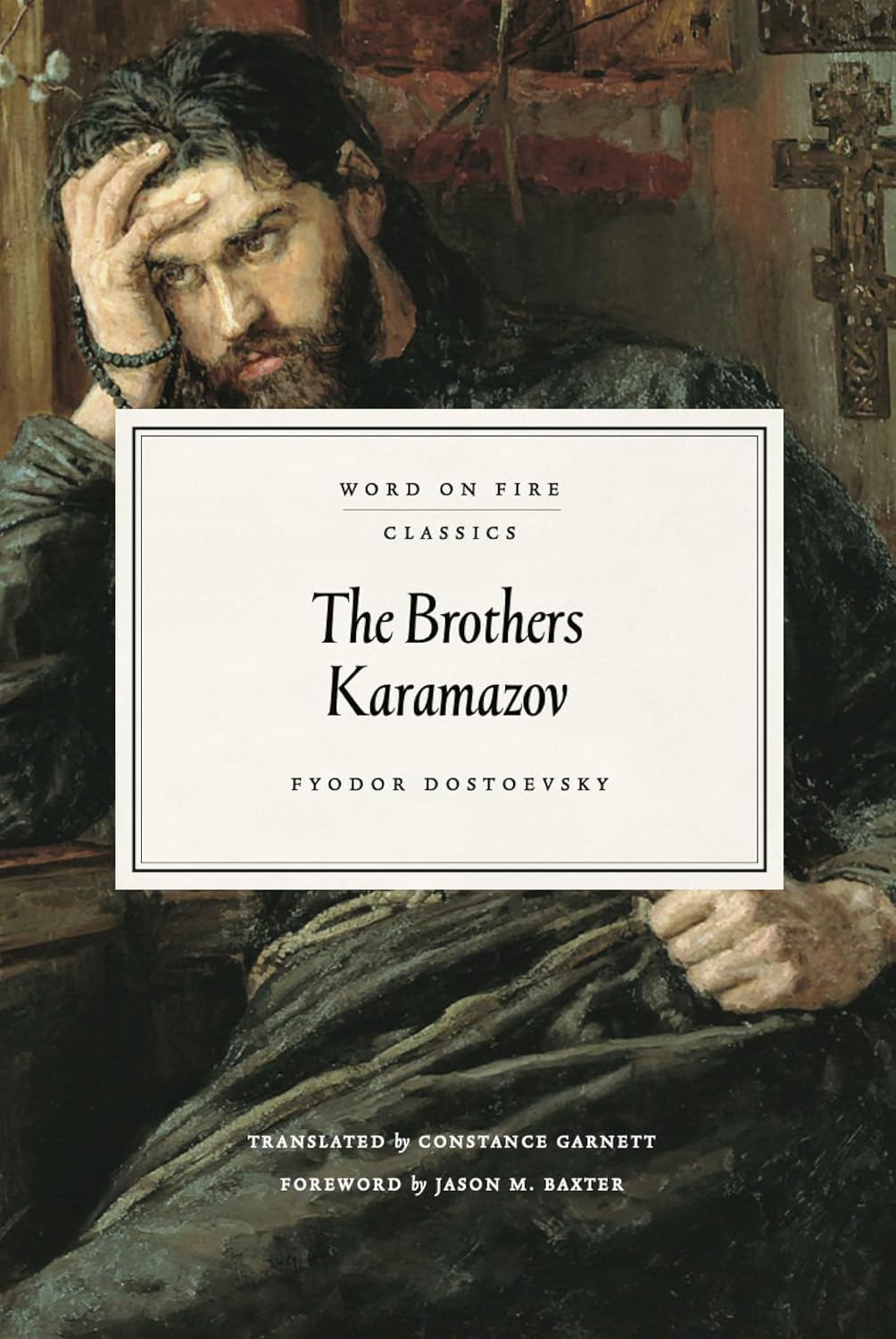
The Brothers Karamazov — trans. Constance Garnett (1912)
The classic translation, surprisingly defensible
Garnett's 1912 translation introduced the English-speaking world to this novel and shaped how an entire century of readers understood Dostoevsky. Unlike her Crime and Punishment — where the case against her is fairly clear — her Karamazov has genuine defenders among serious scholars who argue that her version captures the novel's moral and spiritual register in ways that more literal modern translations miss. Her prose has a Victorian gravity that suits Father Zosima's speeches particularly well. That said, she smooths over Dostoevsky's rougher edges and her dialogue lacks the individuality of voice that Avsey and McDuff achieve. Read Garnett if you want to understand the novel's place in literary history, or if the cadences of early twentieth-century prose feel right to you. Available free in many digital editions.
Buy on Amazon → As an Amazon Associate, I earn from qualifying purchases.