Choosing a Hunchback of Notre-Dame Translation
Hugo's immense novel of Paris, the cathedral, and the outcasts who live in its shadow — nothing like the adaptations
Victor Hugo's Notre-Dame de Paris (1831) — published in English as The Hunchback of Notre-Dame — is one of the strangest and most misrepresented novels in the Western canon. Most English readers know the story through the Disney animated film, the musical, or various earlier film adaptations, all of which foreground the romantic triangle between Quasimodo, Esmeralda, and Frollo and end with a version of redemption or tragedy. Hugo's novel does none of these things cleanly. It is, first and foremost, a novel about Paris — specifically about the medieval Paris that Hugo watched being demolished around him and wished to preserve in prose, just as the Romantics were beginning to agitate for architectural conservation. The cathedral of Notre-Dame is the true protagonist; Quasimodo, Esmeralda, Frollo, and Gringoire are its satellites. The novel includes a celebrated chapter, "This Will Kill That," in which Hugo argues that the invention of the printing press killed architecture as the primary medium of human thought — a digression of such length and ambition that it transforms the novel into something closer to philosophical meditation than romance.
The Notre-Dame fire of April 2019 and the cathedral's reopening in December 2024 brought Hugo's novel back to global attention: it was the best-selling book in France in the weeks following the fire, and worldwide readership surged. The novel rewards the attention. It is enormous, digressive, comic, tragic, and strange in ways that every adaptation has smoothed away.
Two reliable literary translations are currently in print. Both use the original French title, Notre-Dame de Paris, rather than the English adaptation title, The Hunchback of Notre-Dame. John Sturrock's Penguin Classics translation is this guide's primary recommendation for most readers. Alban Krailsheimer's Oxford World's Classics translation is the more scholarly alternative.
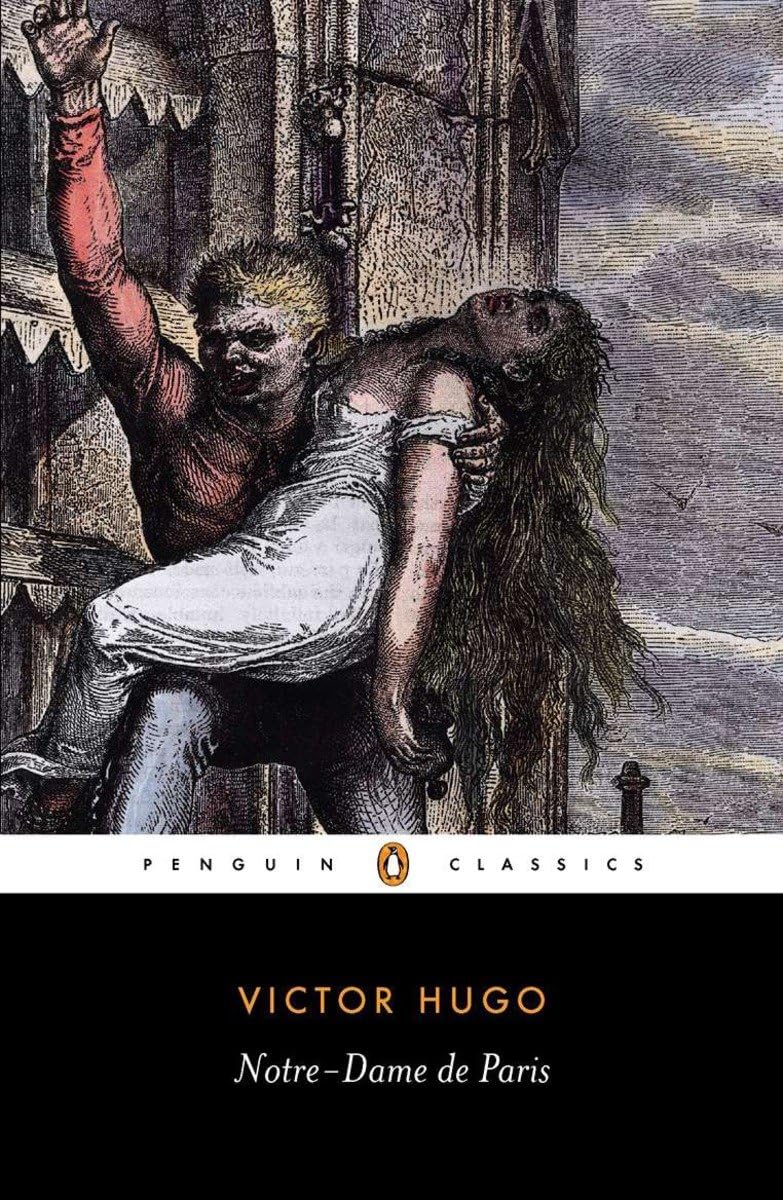
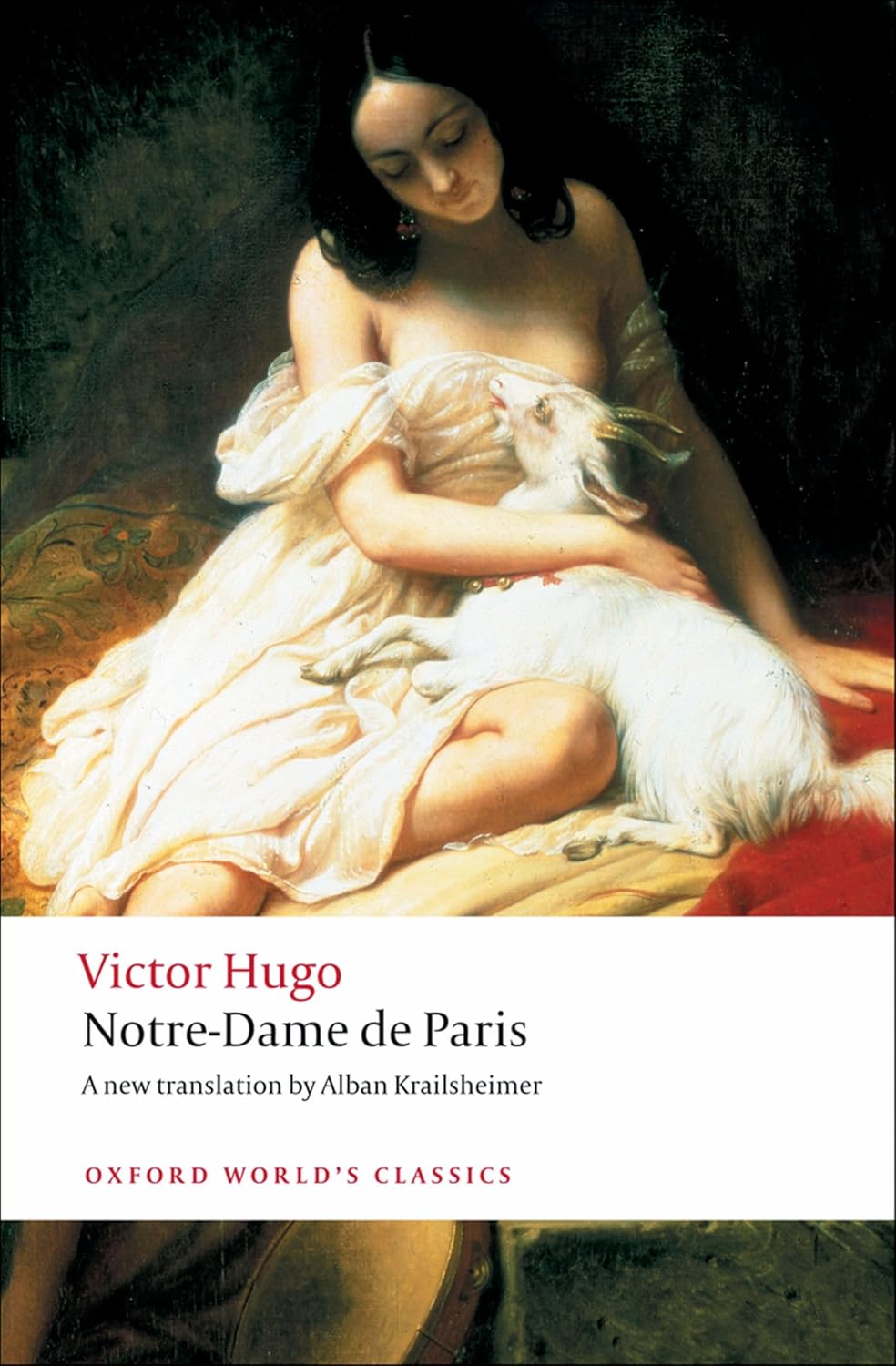
As an Amazon Associate, I earn from qualifying purchases.
Looking for another classic? Browse all our translation guides →