Les Misérables has a translation problem most readers don't anticipate: the novel is enormous, and Hugo made it that way deliberately. The famous digressions — on the Battle of Waterloo, on the Paris sewer system, on the history of convents — are not interruptions to the story. They are the novel's argument about how history, society, and institutions shape individual lives. Translators who cut them are cutting the thesis, not the padding.
Victor Hugo published Les Misérables in 1862 to immediate popular and controversial reception — it was simultaneously celebrated as a monument of humanitarian literature and attacked as dangerous radicalism. The novel runs to more than 1,400 pages in most unabridged editions, and several major English translations have shortened it. Before choosing an edition, it is worth knowing which cuts were made and why.
The Fahnestock and MacAfee translation is this guide's primary recommendation. It is the most readable unabridged English Les Misérables currently available, and it handles Hugo's extraordinary range — from tragedy to comedy to political polemic — without losing any of his ambition.
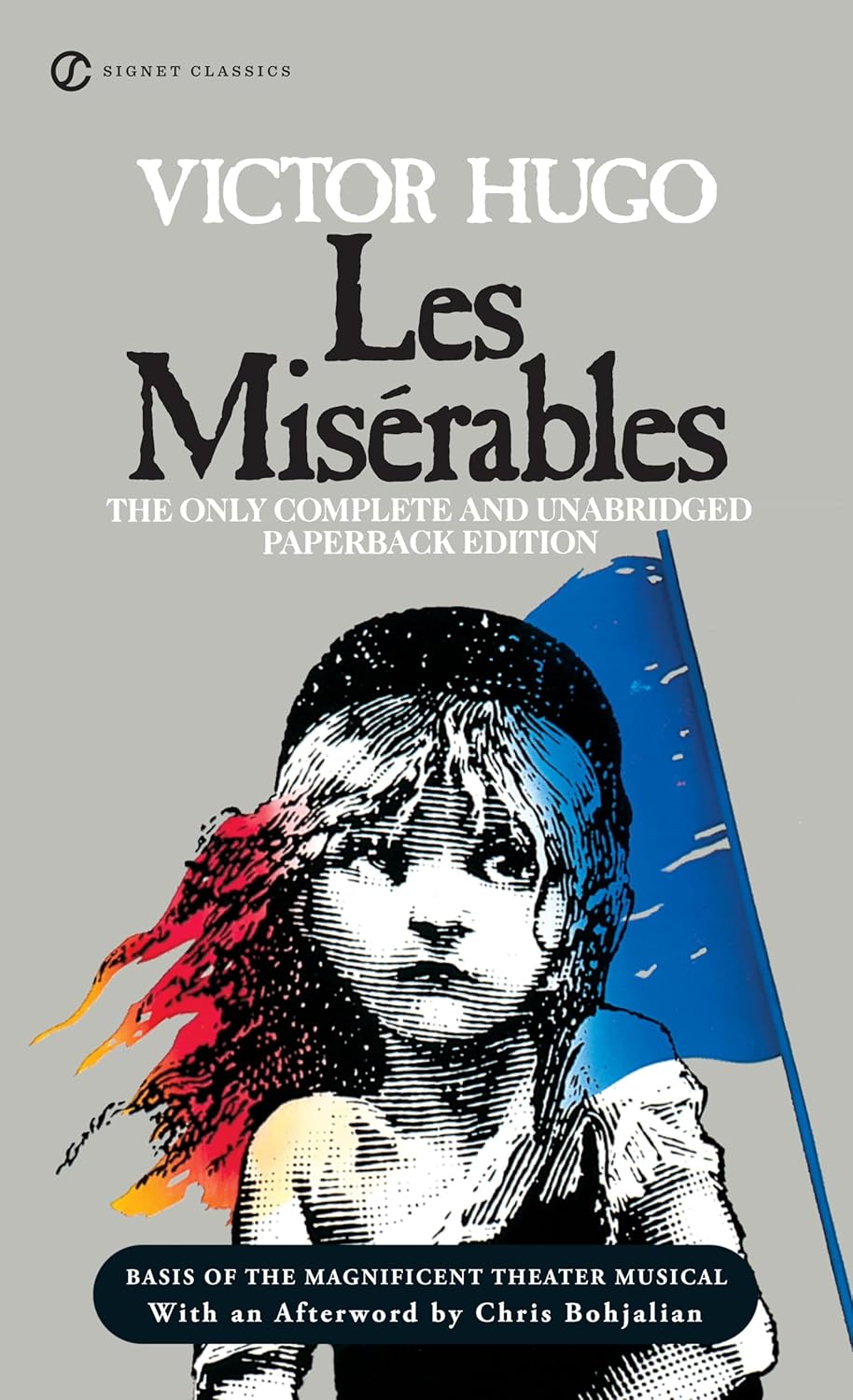
Les Misérables — trans. Lee Fahnestock & Norman MacAfee (1987)
First translation, recommended for most readers
The Fahnestock and MacAfee translation is the standard recommendation for English readers who want the complete novel. It is unabridged — every digression, every chapter, every footnote Hugo intended — and it reads with a clarity and forward momentum that makes the novel's enormous length manageable. Fahnestock and MacAfee worked to preserve both Hugo's rhetorical grandeur and his warmth, and their version handles the novel's tonal range — from the comedy of Thénardier to the tragedy of Fantine to the philosophical sweep of the Waterloo chapters — without flattening any of it. The Signet Classics paperback is affordable and widely available. If you read one Les Misérables, read this one.
Buy on Amazon → 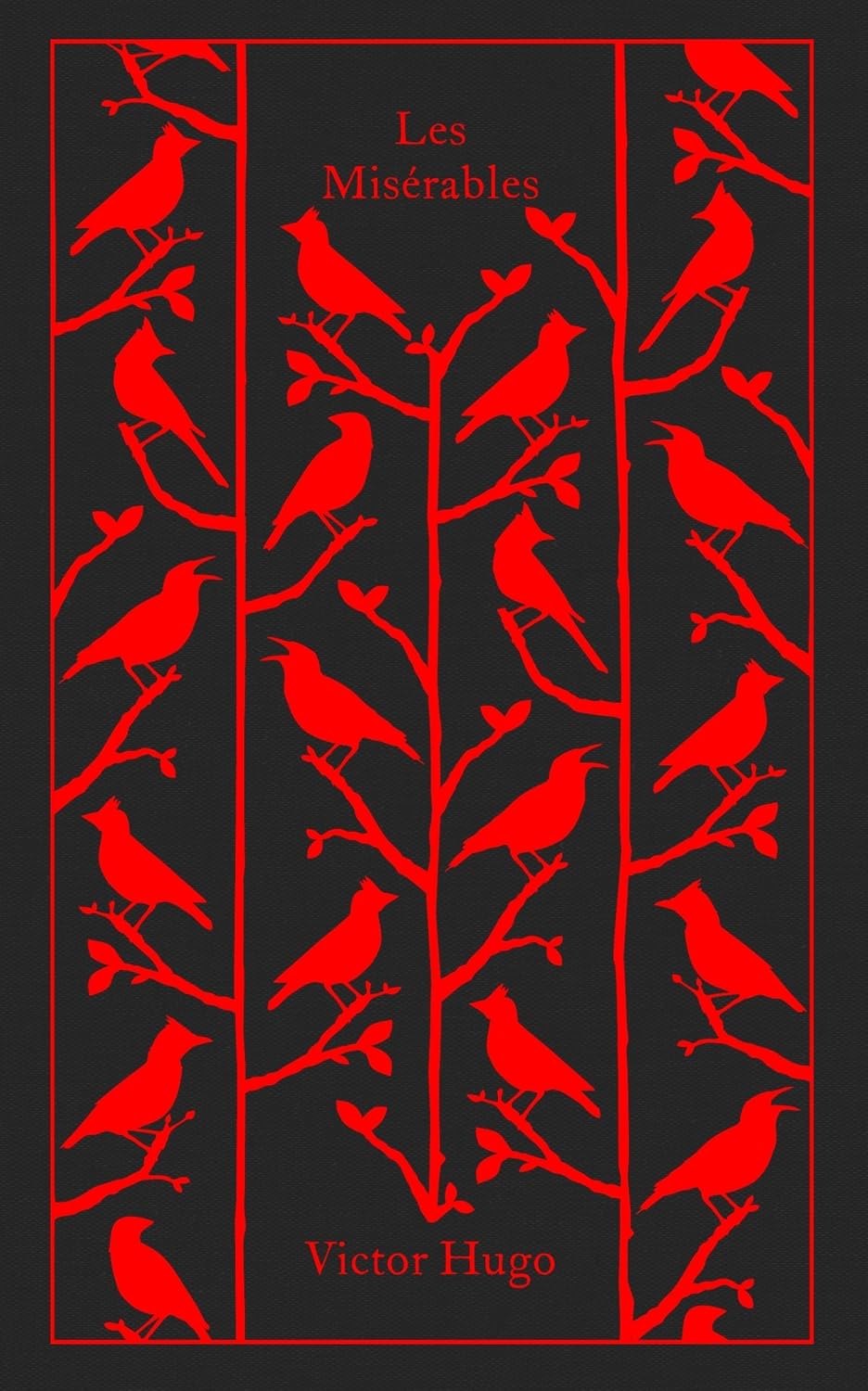
Les Misérables — trans. Norman Denny (1976)
Readable and literary, but abridged
Norman Denny's Penguin Classics translation has long been the default edition for British readers and for university courses that assign the novel in English. Denny writes with genuine literary skill, and his version of the central narrative — Jean Valjean's pursuit by Javert, the love story of Cosette and Marius, the barricades of 1832 — is excellent. The problem is that Denny abridged the novel, cutting a significant portion of Hugo's digressions on the grounds that modern readers would find them tedious. The result is a more streamlined reading experience, but also a different book — one that has been editorially shaped to prioritise the plot over Hugo's larger argument about history and injustice. Read Denny if you want a more compact introduction to the story. But know what you are getting.
Buy on Amazon → 
Les Misérables — trans. Julie Rose (2008)
Unabridged and contemporary, divisive in execution
Julie Rose's 2008 Modern Library translation is unabridged and represents the most recent major effort to bring a complete Les Misérables into contemporary English. Rose made bold stylistic choices — her prose is more idiomatic than Fahnestock, sometimes colloquial in ways that feel modern rather than Victorian — and the result has divided readers sharply. Admirers argue that Rose's version is more alive and immediate than any predecessor. Critics contend that her choices domesticate Hugo's grandeur into something smaller and more American-sounding than the original warrants. Both responses are legitimate. Rose is worth reading as a second translation, after Fahnestock, where the differences between the two approaches become illuminating rather than merely distracting.
Buy on Amazon → As an Amazon Associate, I earn from qualifying purchases.