The Metamorphoses (c. 8 CE) is Ovid's masterwork and one of the most influential texts in the Western literary tradition. In fifteen books and roughly twelve thousand lines of Latin hexameters, Ovid retells more than two hundred and fifty myths — from the creation of the world to the apotheosis of Julius Caesar — linking them through the theme of transformation. Daphne becomes a laurel tree. Narcissus melts into a flower. Actaeon is changed into a stag. Philomela's tongue is cut out, so the gods transform her into a nightingale who can still sing. The transformations accumulate into a vision of the universe as perpetually unstable, endlessly creative, and indifferent to human categories of fixed identity.
Ovid wrote as a sophisticated, self-aware, and often ironic narrator — very different from Homer or Virgil. He is not telling sacred stories but playing with them: speeding through myths, inventing new angles, undercutting pathos with wit, and performing the sheer exuberance of having so much to tell. The challenge for translators is catching that tonal range — the poem can be playfully erotic in one passage, genuinely tragic in the next, and then archly funny again before the reader has adjusted. A flat or solemn translation of Ovid misses the point entirely.
All three translations below are in verse, which is the right choice for this poem. Prose Metamorphoses exist, but Ovid's hexameters are not merely a vehicle for the myths — the metre is part of how the poem creates its effects of speed, expansion, and compression.
David Raeburn's Penguin Classics translation is this guide's primary recommendation. It is the most recent, the most widely available, and the version that best combines literary quality with accessibility for modern readers.
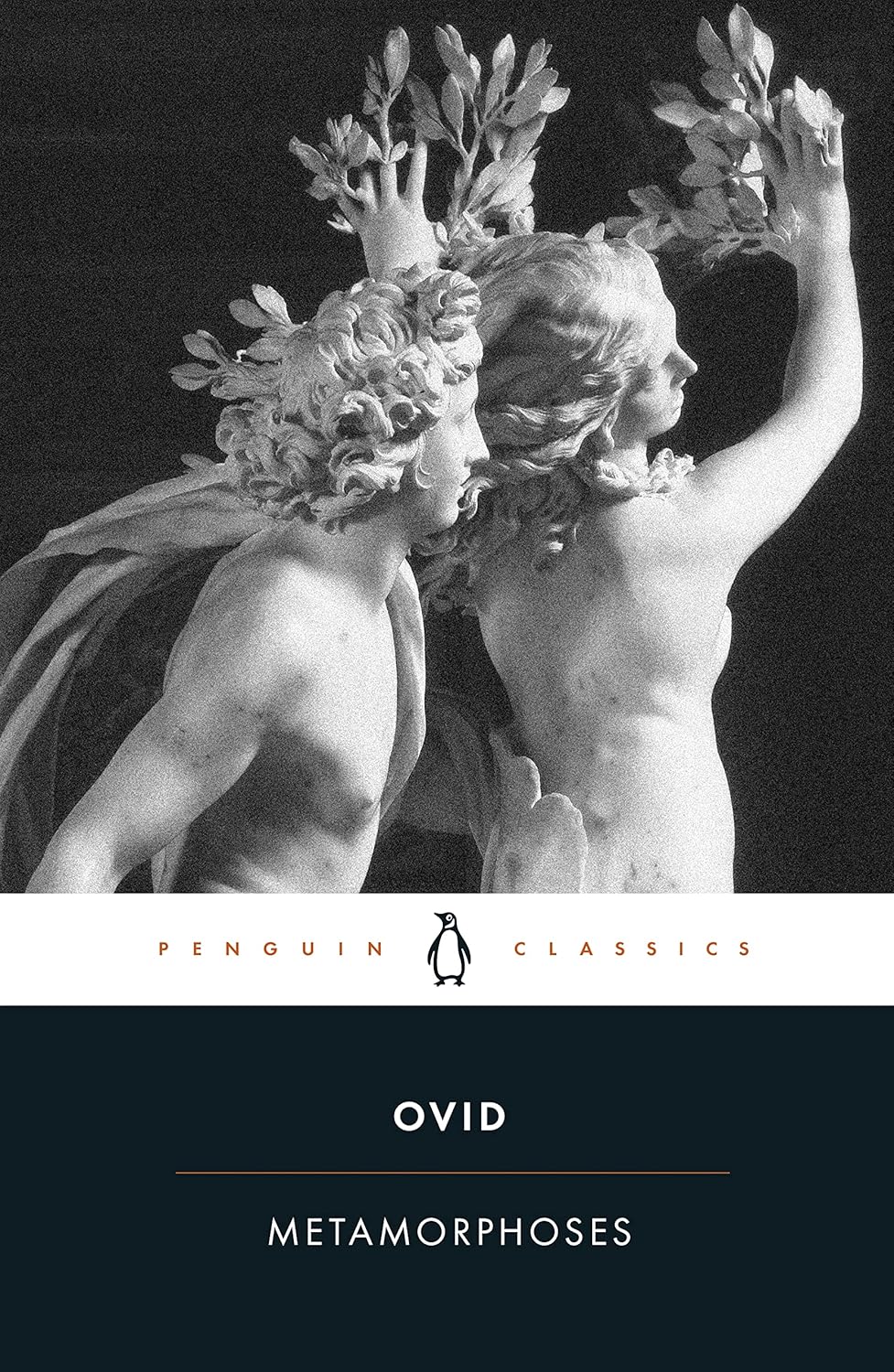
Metamorphoses — trans. David Raeburn (2004)
First translation, recommended for most readers
David Raeburn's Penguin Classics translation is the most accomplished modern English Metamorphoses and the natural starting point for any reader coming to the poem for the first time. Raeburn, a classical scholar and experienced translator of Greek tragedy, renders the poem in English hexameters — a deliberately ambitious choice that pays off. English resists the hexameter, but Raeburn handles the form with enough flexibility that the line reads naturally rather than forced, and the metre creates the same sense of flowing onward that characterises the Latin. His handling of tonal shifts is particularly good: he catches Ovid's irony without underlining it, keeps the erotic passages light rather than clinical, and allows the genuinely tragic episodes — Orpheus and Eurydice, Pyramus and Thisbe, Ceyx and Alcyone — their full weight. The Penguin edition includes a substantial introduction by Denis Feeney, one of the leading Ovidian scholars, which places the poem in its Augustan context without reducing it to allegory. For any reader who wants a single complete, readable, and literarily serious Metamorphoses, this is the one.
Buy on Amazon → 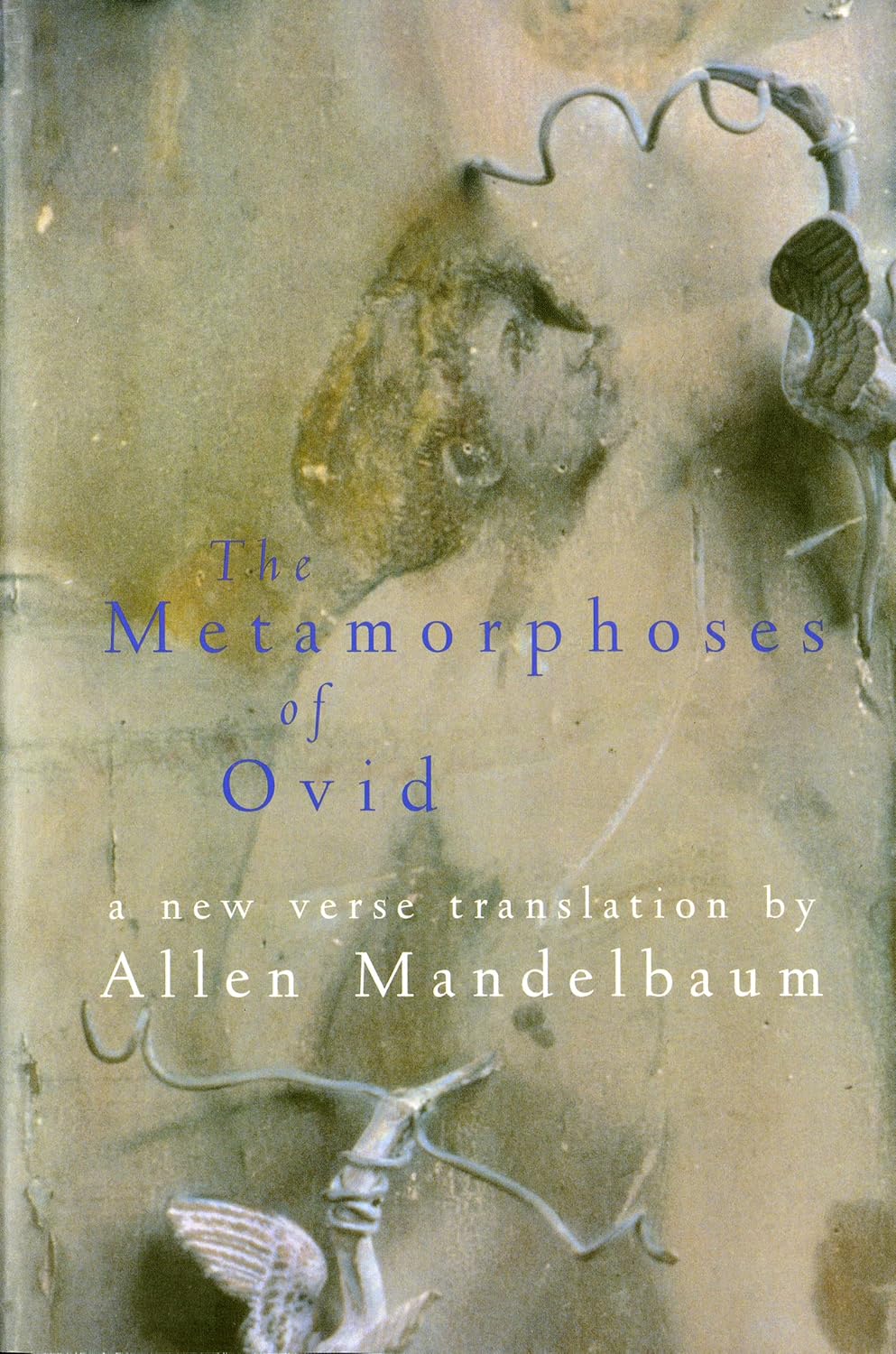
The Metamorphoses of Ovid — trans. Allen Mandelbaum (1993)
The poet-translator's version — blank verse with lyric intensity
Allen Mandelbaum is the poet-translator who gave English readers the standard modern verse translations of both Dante's Divine Comedy and Virgil's Aeneid, and his Metamorphoses belongs in that company. He works in flexible blank verse rather than hexameters, which produces a somewhat different music from Raeburn — more legato, with a higher lyric register that suits the poem's set pieces particularly well. Mandelbaum is superb on the great love stories: his Orpheus and Eurydice has real ache to it, and his Echo and Narcissus captures the wasting repetition of unrequited longing with economy and precision. Where Raeburn tends toward forward momentum, Mandelbaum sometimes allows a passage to pause and dilate into something almost meditative. Readers who have loved his Dante or his Aeneid will recognise the voice immediately. A rewarding second reading or an alternative first translation for readers who find hexameters demanding — and a reminder that the Metamorphoses is also, among other things, a great collection of love poems.
Buy on Amazon → 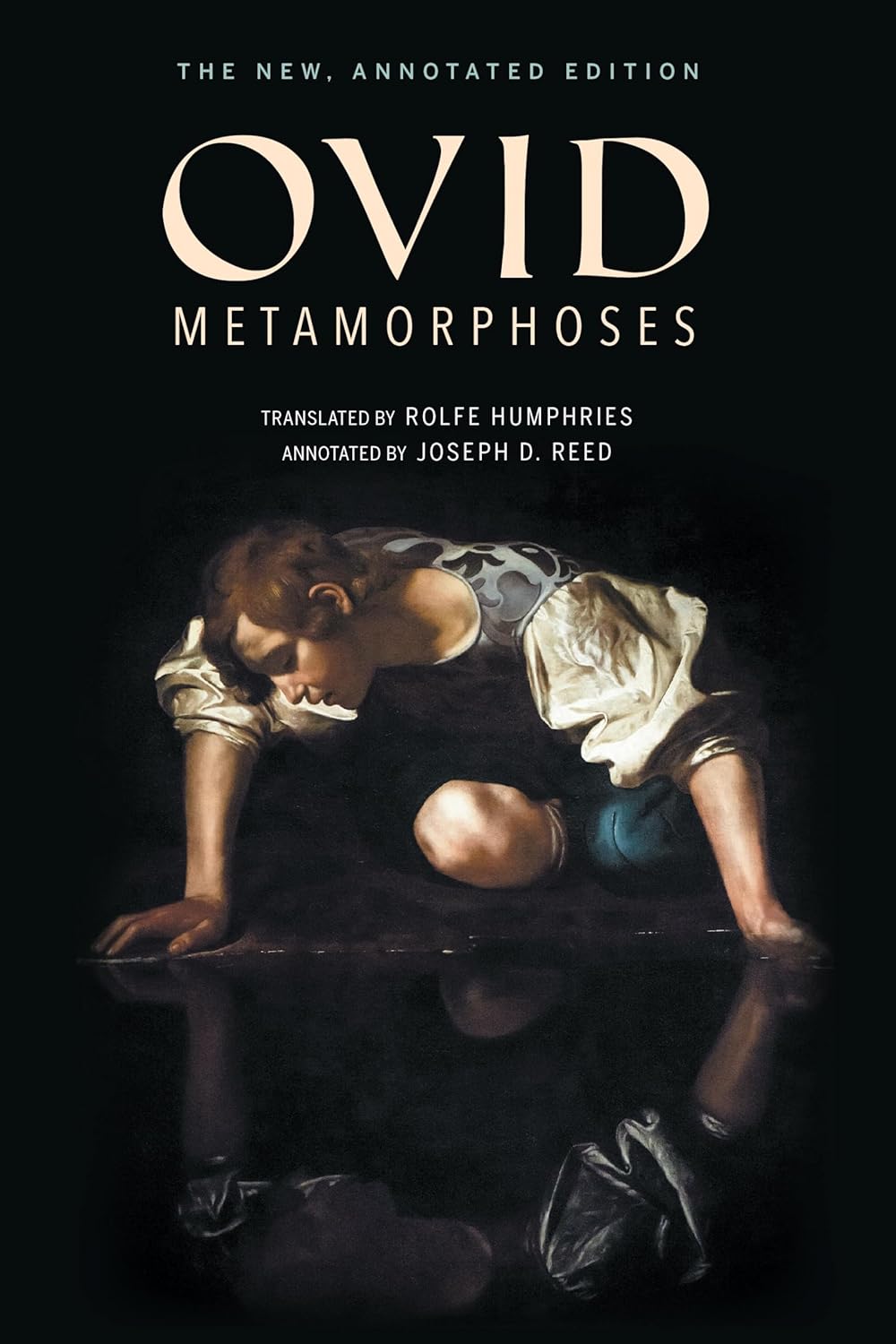
Metamorphoses: The New, Annotated Edition — trans. Rolfe Humphries, annot. Joseph D. Reed (1955 / 2014)
The classic translation — influential, readable, now with full scholarly annotation
Rolfe Humphries' 1955 translation was for decades the standard English Metamorphoses — widely taught in universities, beloved by classicists and general readers alike — and it remains one of the most readable versions available. Humphries uses loose English hexameters that flow naturally without feeling forced, and he brings a poet's ear to Ovid's comedy: his handling of the lighter episodes has a lightness and wit that some later translations flatten. The Indiana University Press annotated edition, with notes and introduction by the Latin scholar Joseph D. Reed, transforms the text into something more: Reed's annotation covers mythological background, Ovidian wordplay and allusion, the literary tradition behind individual episodes, and points of particular interpretive interest, making this the best edition for a reader who wants to engage with the poem at scholarly depth. The combination of Humphries' durable translation and Reed's apparatus makes this the most useful classroom edition and a strong choice for any reader who wants to understand what Ovid is doing as well as enjoy how he does it. The cover — Caravaggio's Narcissus gazing into his own reflection — is perfectly chosen.
Buy on Amazon → As an Amazon Associate, I earn from qualifying purchases.