Every discussion of The Metamorphosis in English begins with a translation problem that is also a philosophical problem: what has Gregor Samsa turned into? Kafka's German word is Ungeziefer — a term meaning something like "vermin" or "unclean animal unfit for sacrifice," with no precise English equivalent. It is not "insect." It is not "bug." It is something deliberately vague, something that resists exact identification. Translators who choose a specific creature — beetle, cockroach, dung-bug — resolve an ambiguity Kafka went out of his way to preserve.
This opening decision cascades through the entire story. Kafka wrote in a precise, almost bureaucratic German that stands in dark comic contrast to the horror of what it describes. The family's adjustment to their son's transformation is rendered in the same dry, matter-of-fact prose as their financial anxieties and domestic arrangements. A translation that inflates this language loses the joke. One that flattens it loses the dread.
The Susan Bernofsky translation is this guide's primary recommendation. It is the most carefully considered modern English Metamorphosis, and more than any other version it honours Kafka's deliberate strangeness without making it strange in the wrong ways.
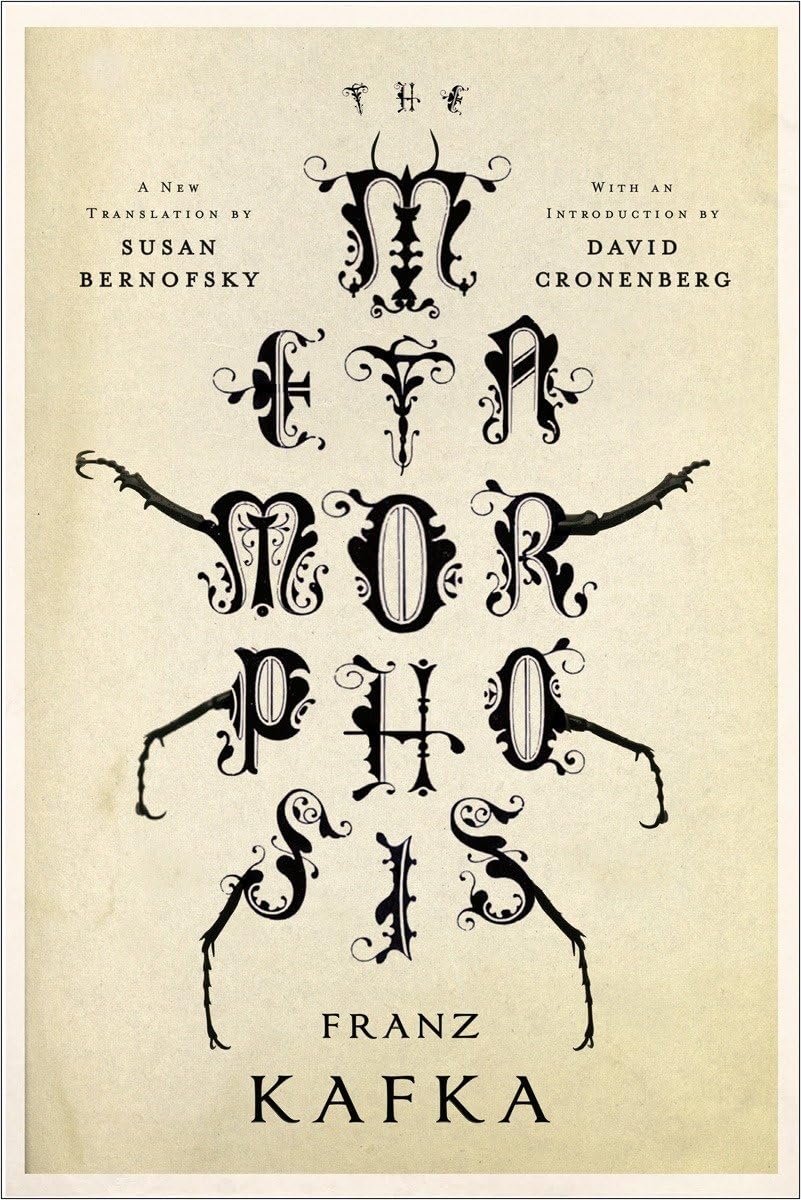
The Metamorphosis — trans. Susan Bernofsky (2014)
First translation, recommended for most readers
Bernofsky's Norton translation is the most celebrated English Metamorphosis of the past decade and the version that has reset the standard for how Kafka sounds in English. Her opening sentence — "When Gregor Samsa woke one morning from troubled dreams, he found himself transformed right there in his bed into some sort of monstrous insect" — preserves the deliberate vagueness of Kafka's German while keeping the deadpan rhythm that makes the story work as dark comedy. Bernofsky is a leading translator of German literature who has also translated Robert Walser and Hermann Hesse, and her ear for the register of Kafka's prose — precise, slightly formal, utterly unalarmed by what it is describing — is exceptional. The Norton Critical Edition includes essays and contextual materials alongside the translation. If you read one Metamorphosis, read this one.
Buy on Amazon → 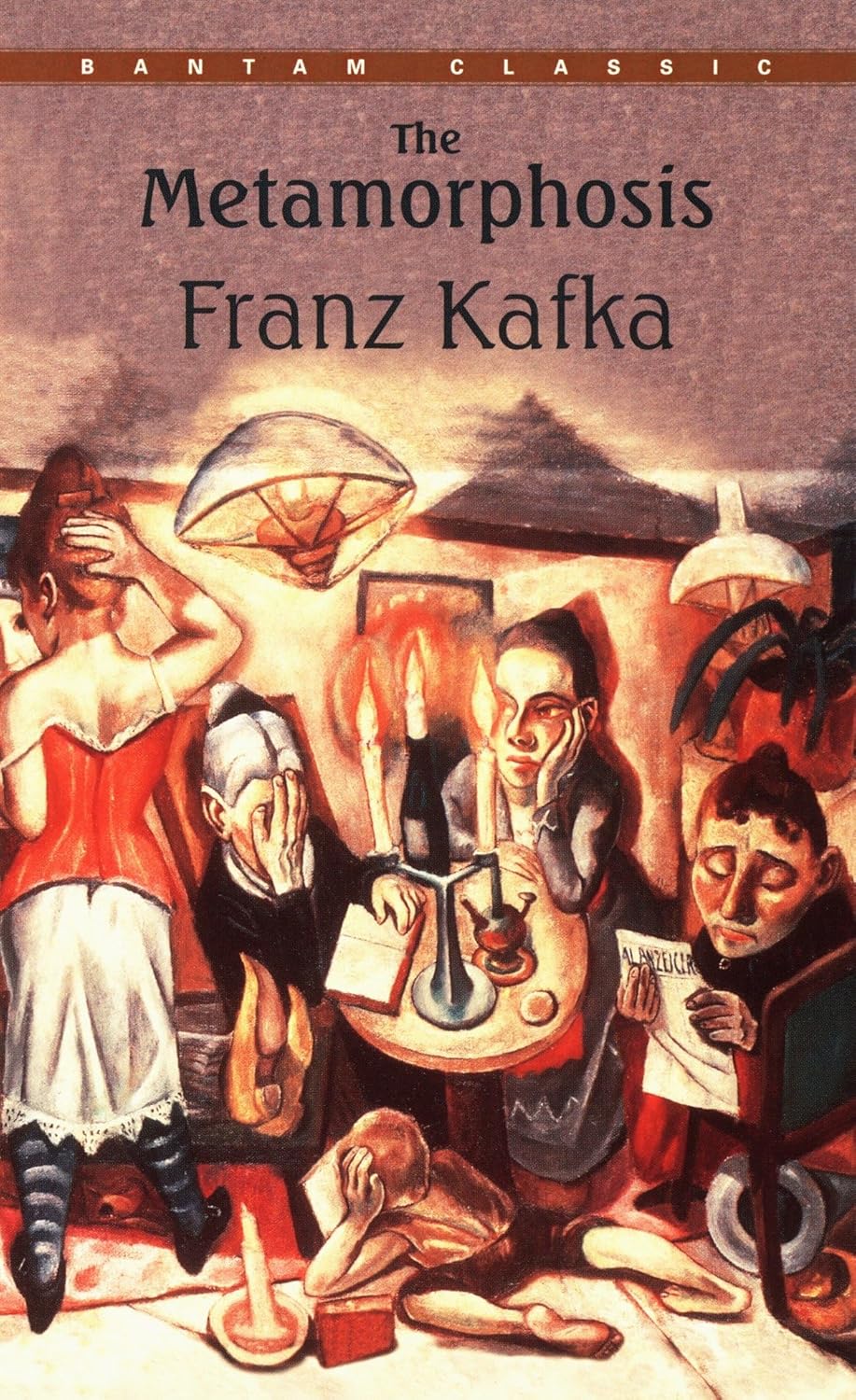
The Metamorphosis — trans. Stanley Corngold (1972)
Scholarly standard, best for academic study
Corngold's 1972 translation was the dominant scholarly English Metamorphosis for four decades and remains widely assigned in university courses. Corngold is the foremost Kafka scholar writing in English — he has spent his career on the German text, its manuscripts, and its critical reception — and his translation reflects that depth of engagement. His prose is faithful and precise, attentive to the philosophical weight of Kafka's language choices, and his accompanying annotations are among the most useful available for a reader interested in what Kafka was actually doing. The Bantam Classics edition is affordable and widely available. Bernofsky has largely superseded Corngold for general readers, but for anyone studying the story in an academic context, Corngold remains the essential reference.
Buy on Amazon → 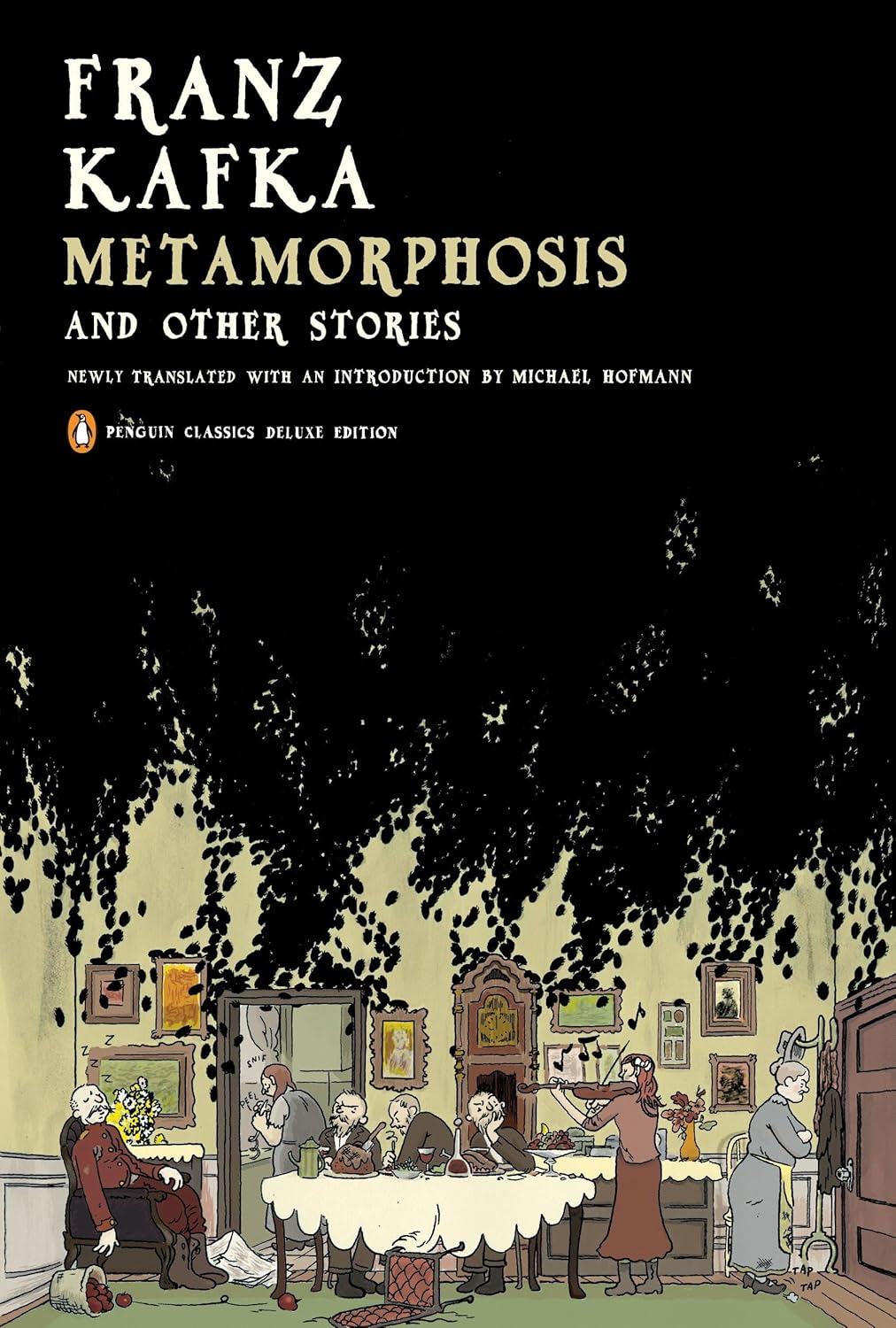
The Metamorphosis — trans. Michael Hofmann (2007)
Most idiomatic, best for a first encounter with Kafka
Michael Hofmann's Penguin Modern Classics translation collects The Metamorphosis alongside other Kafka stories, making it an efficient introduction to Kafka's shorter fiction in one volume. Hofmann is one of the most prolific translators of German literature working today, and his version of The Metamorphosis is notably more idiomatic than either Bernofsky or Corngold — he reaches for contemporary English rather than a register that echoes Kafka's bureaucratic formality, and the result reads with a pace and ease that can make the story more accessible on first encounter. Some readers find this looseness appropriate; others feel it smooths away precisely the friction that makes Kafka's prose so unsettling. The Penguin volume is a good entry point if you want to read The Metamorphosis alongside In the Penal Colony, The Judgment, and other key stories.
Buy on Amazon → As an Amazon Associate, I earn from qualifying purchases.