War and Peace is the longest novel most people will ever attempt, and the translation you choose will be your companion for weeks. That makes the decision more consequential here than almost anywhere else in world literature. A translation that feels slightly flat or stilted on page one will feel exhausting by page five hundred.
Tolstoy's Russian presents a specific challenge: he writes in long, rolling sentences with a lot of repetition, and he mixes registers constantly — military dispatch, drawing-room gossip, philosophical essay, intimate interior monologue — sometimes within the same paragraph. He also writes significant sections in French, which every translator handles differently. These are not small choices. They shape what kind of book you are reading.
The Pevear and Volokhonsky translation is this guide's primary recommendation for readers who want maximum fidelity to Tolstoy's Russian. But War and Peace has a stronger case for Anthony Briggs than almost any other novel in the canon — Briggs is Penguin's chosen translation and many readers find it the most naturally enjoyable version to actually live inside for the weeks it takes to finish. If you're reading War and Peace for the first time, start with Pevear and Volokhonsky — but read the first chapter of Briggs before you decide.
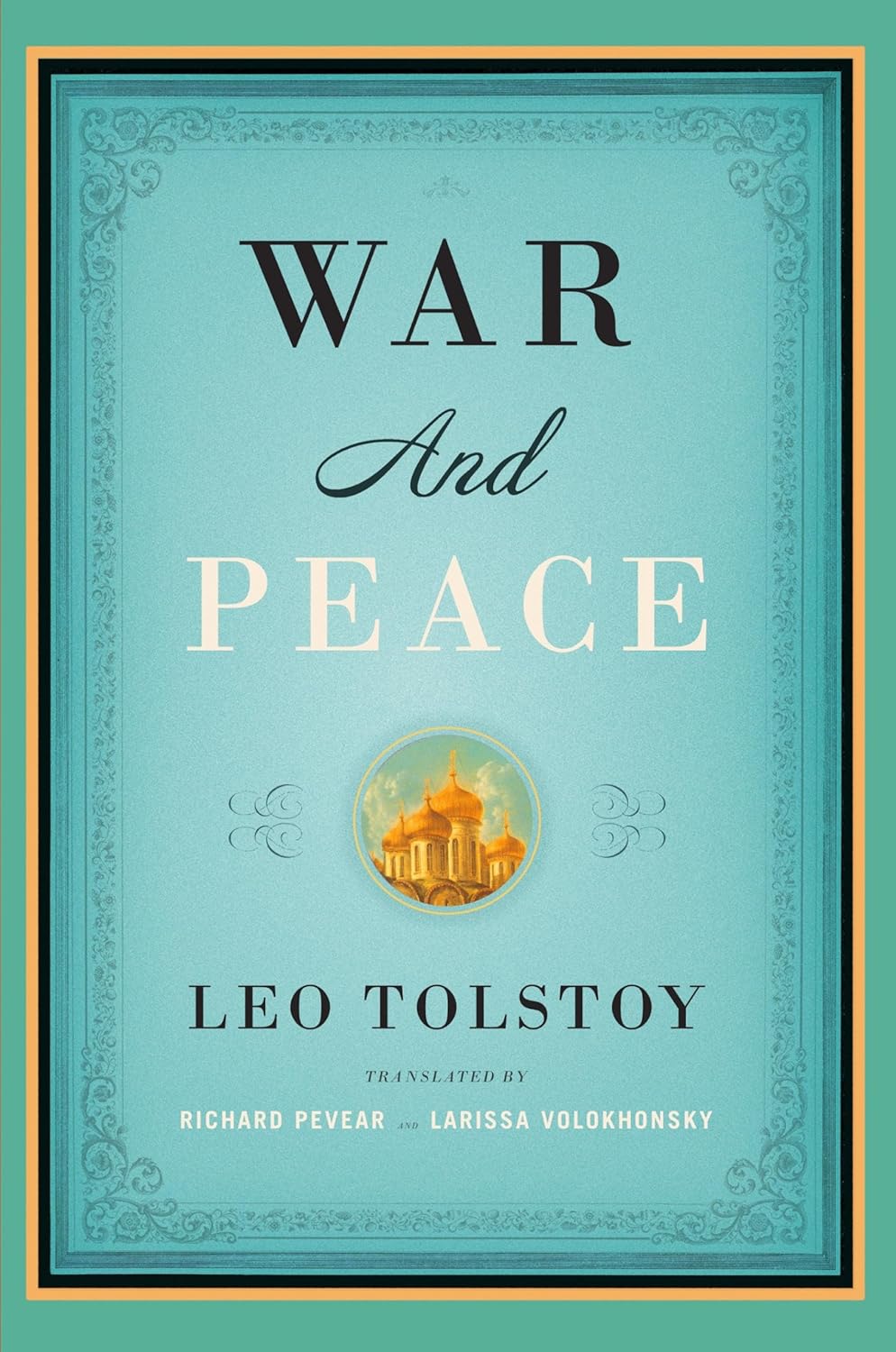
War and Peace — trans. Richard Pevear & Larissa Volokhonsky (2007)
First translation, recommended for most readers
The most faithful modern translation and the standard recommendation for readers who want to get as close to Tolstoy's Russian as possible. Pevear and Volokhonsky preserve the long sentences, the repetitions, and the tonal shifts that earlier translators smoothed away — including the French passages, which appear in French with English translations in the footnotes, exactly as Tolstoy intended. Their version rewards close reading and is the best choice for anyone approaching the novel seriously as a work of literature. The Vintage Classics paperback is the standard edition; it is a substantial physical object at over 1,200 pages and worth choosing an edition that feels good in the hand.
Buy on Amazon → 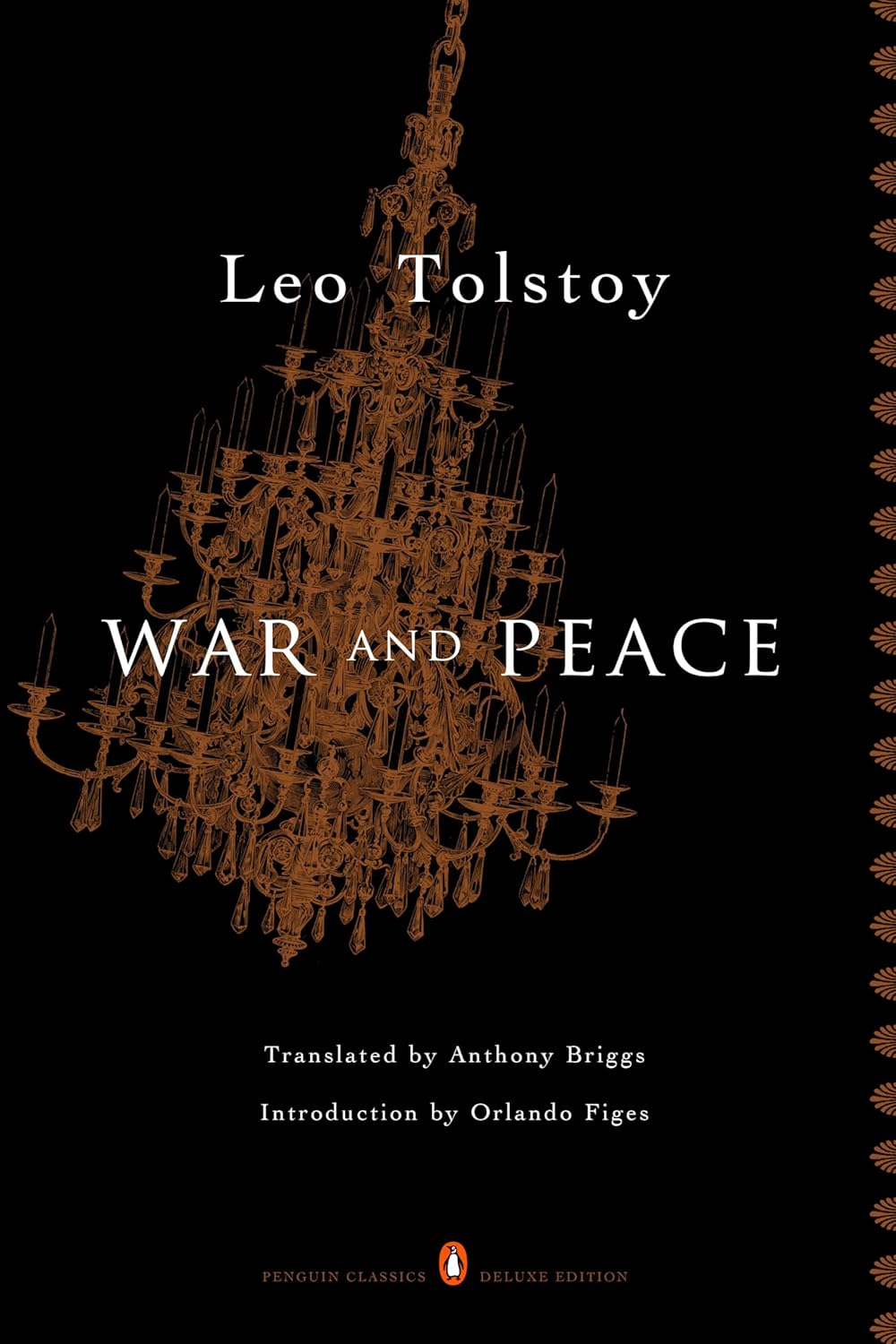
War and Peace — trans. Anthony Briggs (2005)
Most readable, best for pure enjoyment
Penguin replaced their long-standing Rosemary Edmonds translation with Briggs in 2005, and the choice was well made. Briggs writes in fluent, contemporary British English that carries the reader through the novel's length with unusual ease — his version of the battle scenes in particular has an energy and momentum that more literal translations sacrifice for accuracy. Some readers find his occasional British colloquialisms jarring in a Russian novel, and he handles the French passages differently from P&V, integrating them into the English text. But for sheer readability across 1,200 pages, Briggs is the strongest argument against Pevear. If the idea of spending weeks with a slightly awkward translation concerns you, start here.
Buy on Amazon → 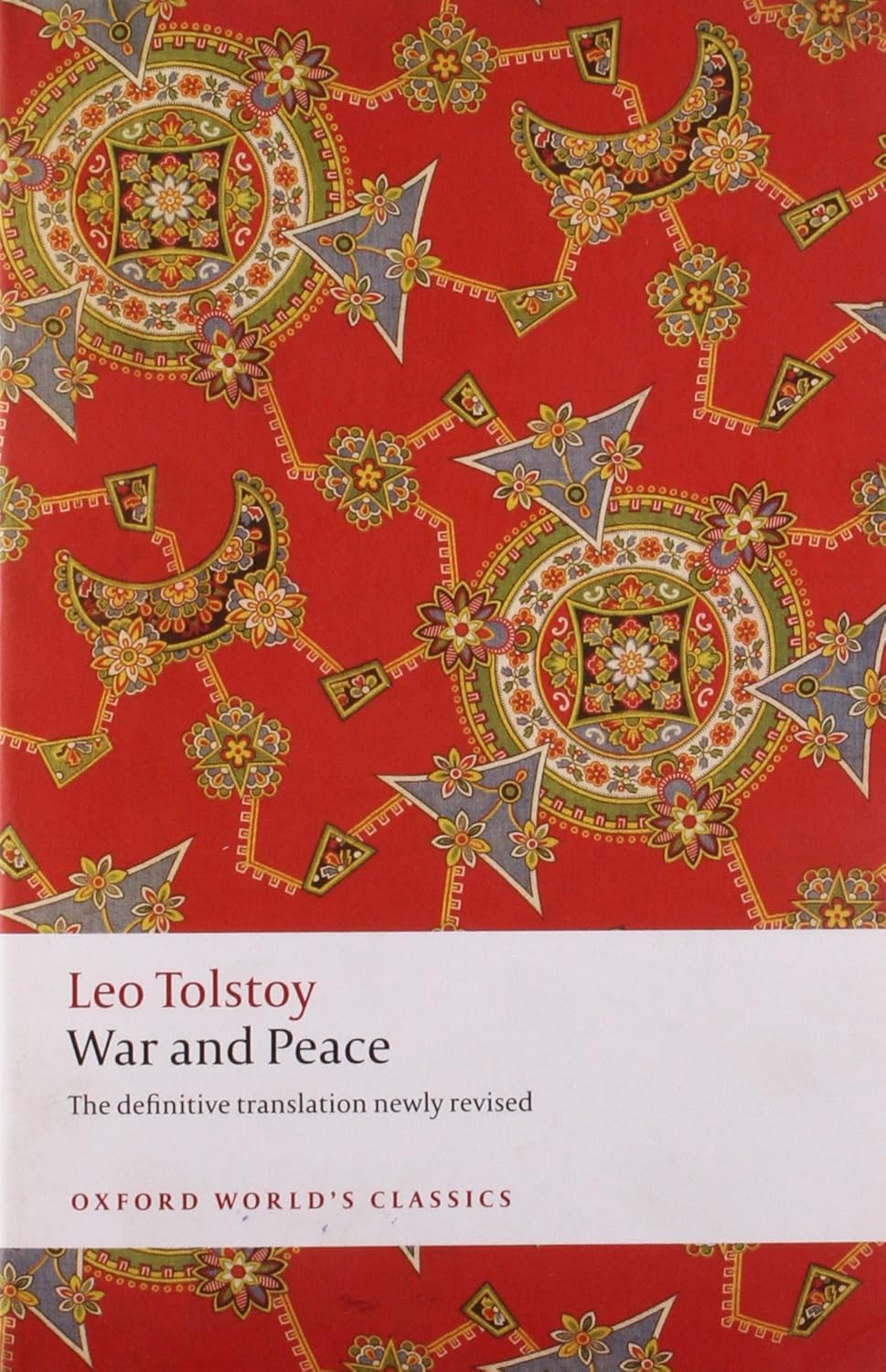
War and Peace — trans. Louise & Aylmer Maude (1922)
Tolstoy-approved, most authoritative classic translation
As with Anna Karenina, the Maudes hold a unique position: Tolstoy reviewed and approved their translation, making it the only version with the author's personal endorsement. Aylmer Maude spent years in Russia as a close friend of Tolstoy and wrote his biography — the translation carries that intimacy and authority on every page. The prose is clear and dignified without the Victorian stiffness of Garnett, and the Oxford World's Classics edition edited by Amy Mandelker corrects the errors in earlier printings and adds valuable scholarly apparatus. For readers who find P&V slightly labored and Briggs slightly colloquial, Maude is often the answer.
Buy on Amazon → 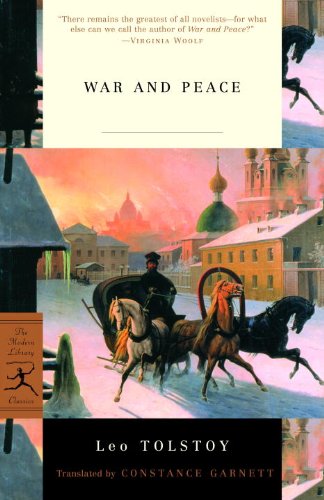
War and Peace — trans. Constance Garnett (1904)
The classic translation, available free
Garnett's 1904 translation was praised by Virginia Woolf, Joseph Conrad, and D. H. Lawrence, and introduced generations of English readers to Tolstoy. It reads with an Edwardian stateliness that has its own dignity, and for readers who prefer the cadences of early twentieth-century prose, it remains a legitimate choice. Its weaknesses are well documented — Garnett worked quickly, occasionally skipped passages she found difficult, and lacked the scholarly resources available to later translators — but its strengths are real, and it is available free in digital form, which makes it the most accessible entry point for readers who simply want to begin. Best approached as a free first read rather than a definitive version.
Buy on Amazon → As an Amazon Associate, I earn from qualifying purchases.