As an Amazon Associate, we earn from qualifying purchases.
Dido is the Aeneid's most compelling figure. She has built a city from nothing, rules with evident skill, and loves Aeneas without ambiguity or manipulation. When he leaves — because Rome requires it, because destiny requires it, because Jupiter's will requires it — she dies by her own hand. The poem holds her in full sympathy even as it makes her destruction necessary, and the question of what it means that the founding of Rome requires the killing of a woman who deserved better has been at the centre of feminist readings of Virgil for decades.
The works below address Dido directly, the broader construction of gender in Latin epic, and the social frameworks within which Virgil's women operate.
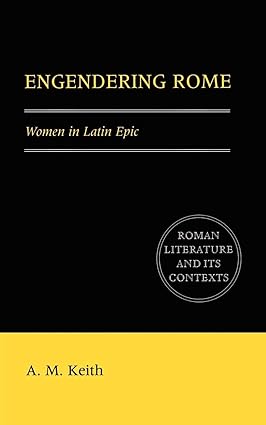
Engendering Rome: Women in Latin Epic — A. M. Keith (Cambridge University Press, 2000)
The essential feminist study of women in Latin epic — with the Aeneid at its centre and Dido as its defining case
Keith analyses female figures across Latin epic from Ennius and Virgil through Lucan and Statius, arguing that the genre constructs gender hierarchies as part of its representation of Roman power. Her reading of the Aeneid is central to the book's argument: Dido is the epic's most developed female character precisely because her destruction is most necessary. Keith traces how the poem manages the contradiction between Dido's evident worth and the political requirement that she be sacrificed. The strongest single feminist study of women in the Aeneid and its genre.
Buy on Amazon → 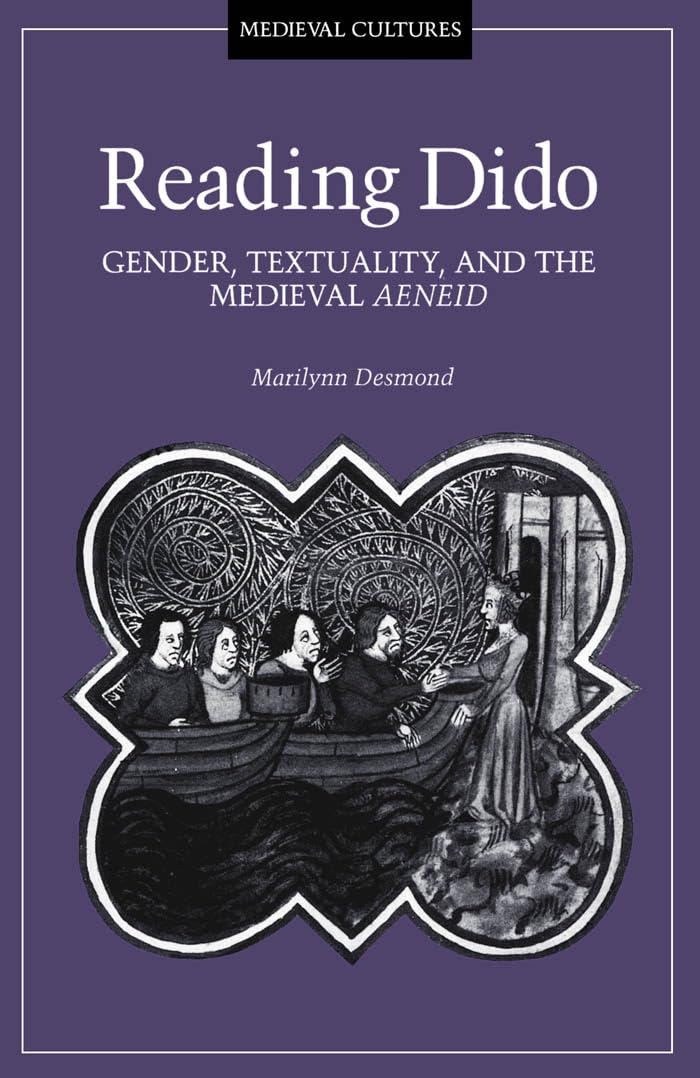
Reading Dido: Gender, Textuality, and the Medieval Aeneid — Marilynn Desmond (University of Minnesota Press, 1994)
A feminist and postcolonial reading of Dido — from Virgil's text through Dante, Chaucer, and Christine de Pizan
Desmond traces the feminist history of reading Dido, beginning with Virgil and following her reception through medieval writers who variously sympathised with her, condemned her, or reimagined her. Her argument is that the canonical reading of the Aeneid has consistently marginalised Dido in order to foreground the imperial project the poem endorses, and that feminist and postcolonial reading can recover what that marginalisation suppresses. The coverage extends beyond Virgil's text, making this the book for readers interested in how Dido has been read and misread across two millennia.
Buy on Amazon → 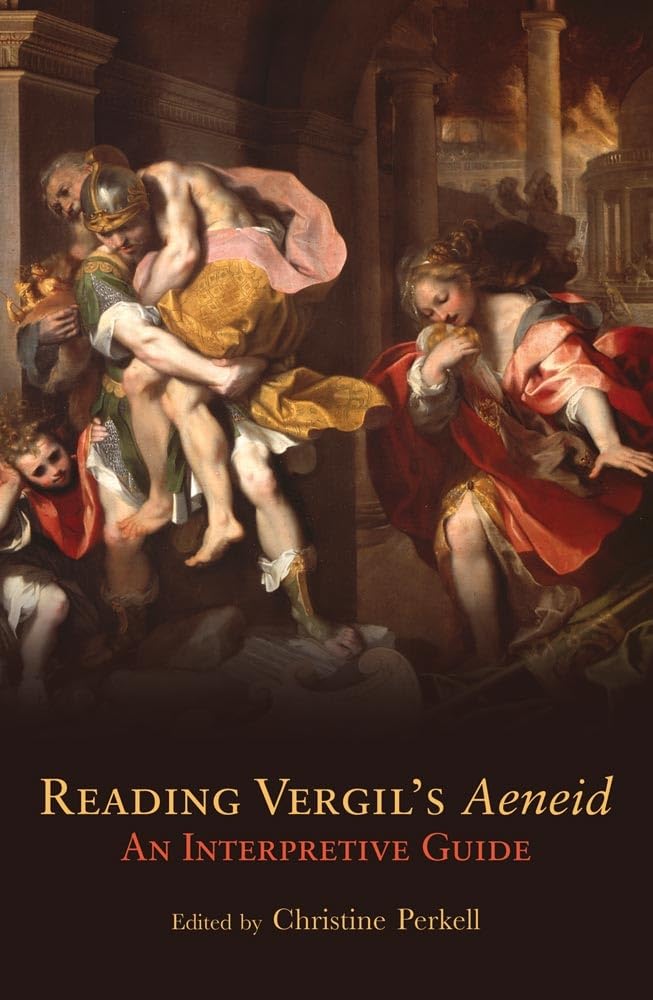
Reading Vergil's Aeneid: An Interpretive Guide — ed. Christine Perkell (University of Oklahoma Press, 1999)
A book-by-book interpretive guide to the Aeneid — with dedicated feminist essays on Dido and the poem's treatment of female figures
Perkell's edited collection moves through the Aeneid book by book, with each section contributed by a specialist in that portion of the poem. S. Georgia Nugent's essay on female figures in Books 7–12 — the Italian half of the poem, which includes Camilla, the warrior woman who dies for a cause she barely understands — is particularly important for feminist readers. The collection as a whole has a strong feminist orientation and is the most accessible scholarly introduction to the poem's gender politics.
Buy on Amazon → 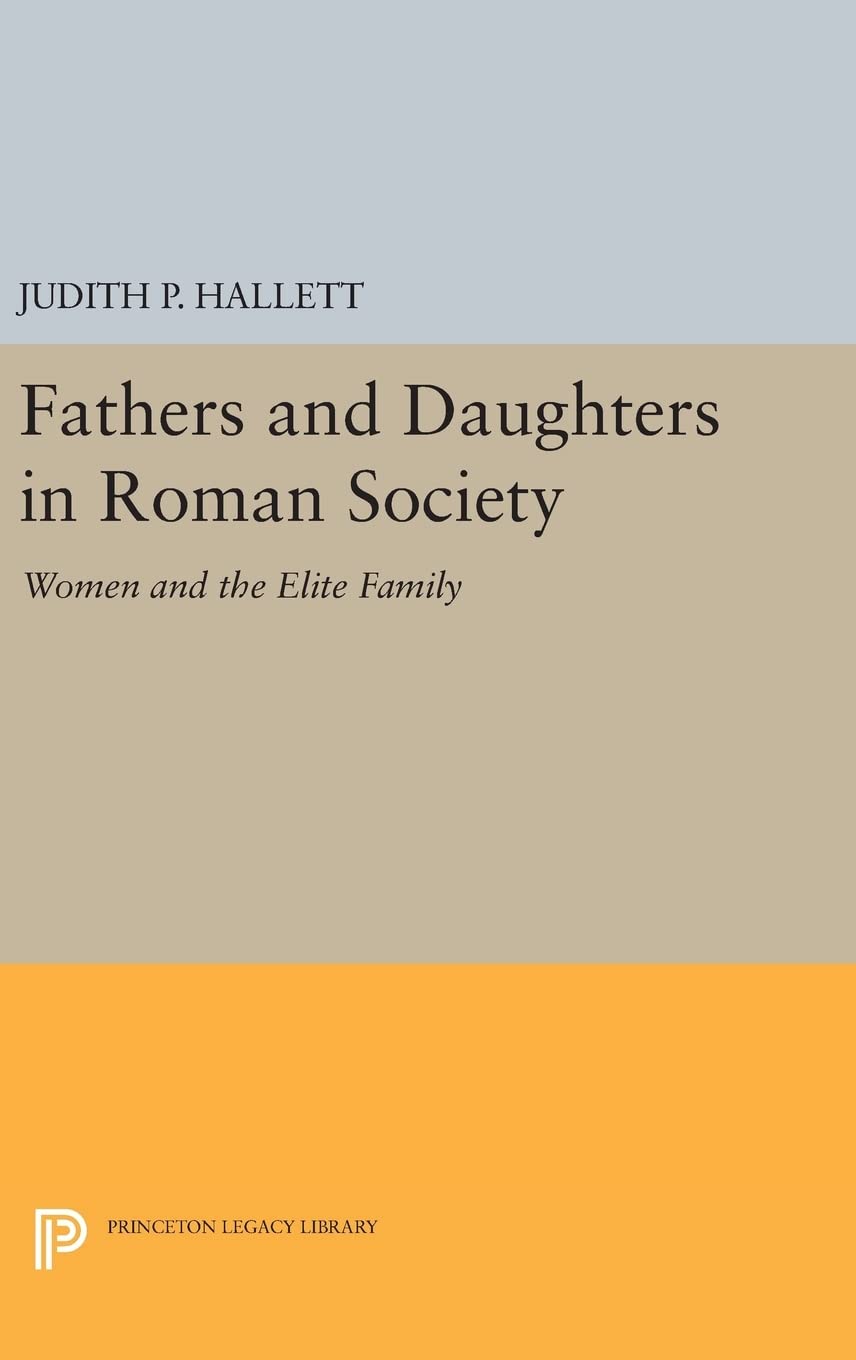
Fathers and Daughters in Roman Society: Women and the Elite Family — Judith Hallett (Princeton University Press, 1984)
The foundational study of gender relations in Roman elite society — essential context for understanding the social world Virgil's women inhabit
Hallett's study is not about the Aeneid specifically but about the social structures within which Virgil's women operate. Her argument — that Roman elite society was organised around a system of filio-centric family relations in which women's primary roles were defined through their relationships to fathers and sons — provides the framework for understanding why Dido's autonomy is so transgressive, why Lavinia's silence is so pointed, and why Camilla's warrior independence is possible only because she has been raised outside Roman social norms. Essential background reading.
Buy on Amazon → As an Amazon Associate, I earn from qualifying purchases.