As an Amazon Associate, we earn from qualifying purchases.
Anna Karenina is destroyed for an adultery that her husband and her lover are each allowed, in different ways, to survive. Oblonsky's identical infidelity opens the novel and is treated as a minor domestic comedy. The asymmetry is so stark that the novel has always attracted feminist scrutiny — not as a simple indictment of Tolstoy, but as an inquiry into what the novel's moral economy actually is and whether Tolstoy endorses it or anatomises it.
The works below represent four decades of feminist engagement with that question, from the foundational survey of Russian women in literature through dedicated studies of Anna's specific position within the novel and the Victorian tradition it belongs to.
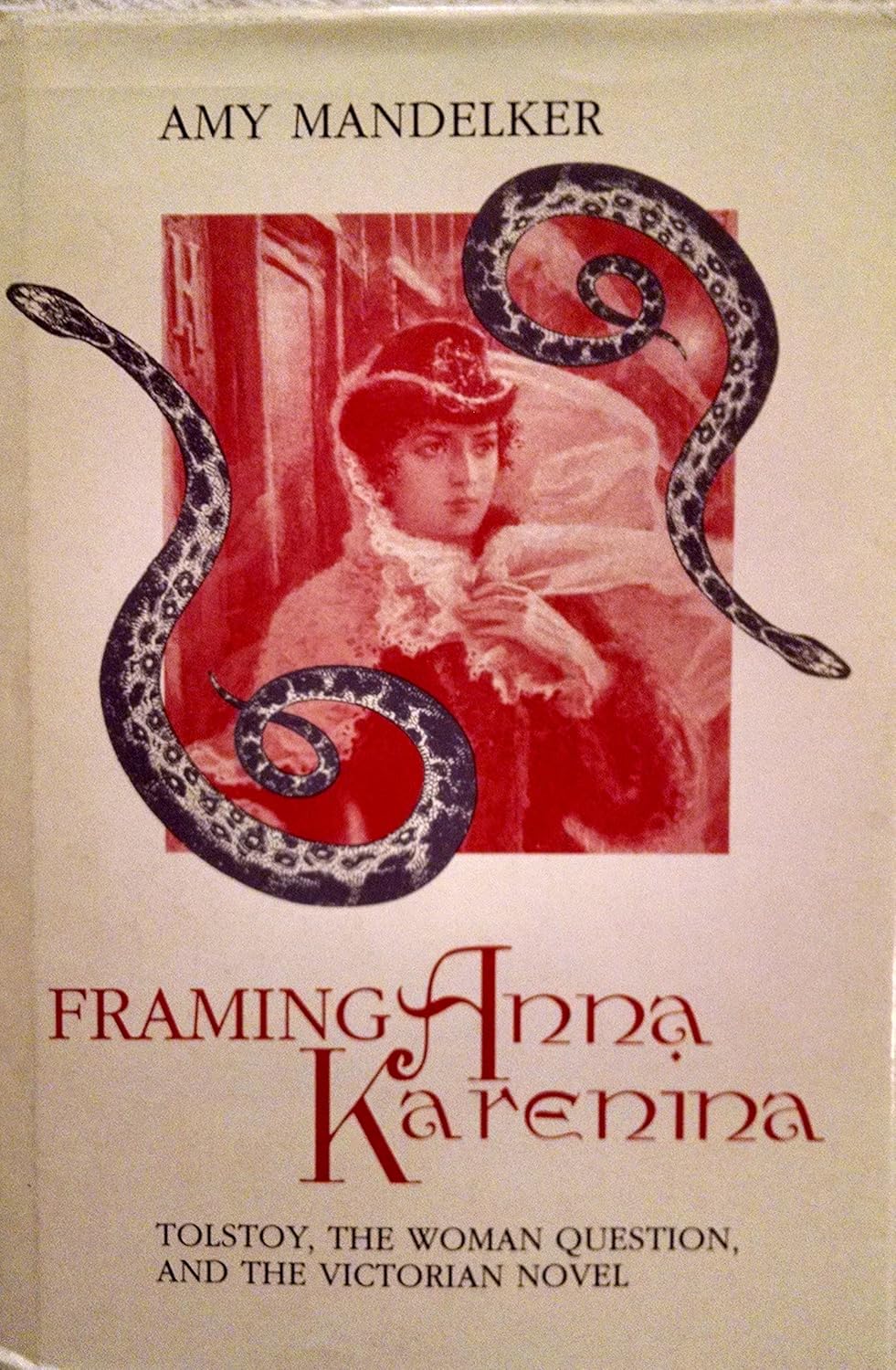
Framing Anna Karenina: Tolstoy, the Woman Question, and the Victorian Novel — Amy Mandelker (Ohio State University Press, 1993)
The essential feminist monograph on Anna Karenina — a reframing of Tolstoy's engagement with the nineteenth-century woman question
Mandelker challenges the standard reading of Tolstoy as a misogynist who punishes Anna for transgressing patriarchal norms, arguing instead that he was engaging seriously and critically with contemporary feminist debates about women's social position. Her analysis places Anna Karenina in dialogue with Victorian fiction — George Eliot, Thomas Hardy, the English novel of female destiny — and reads Anna's fate as a critique of the social structures that produce it rather than a moral judgment on Anna herself. The strongest single work of feminist criticism on this novel.
Buy on Amazon → 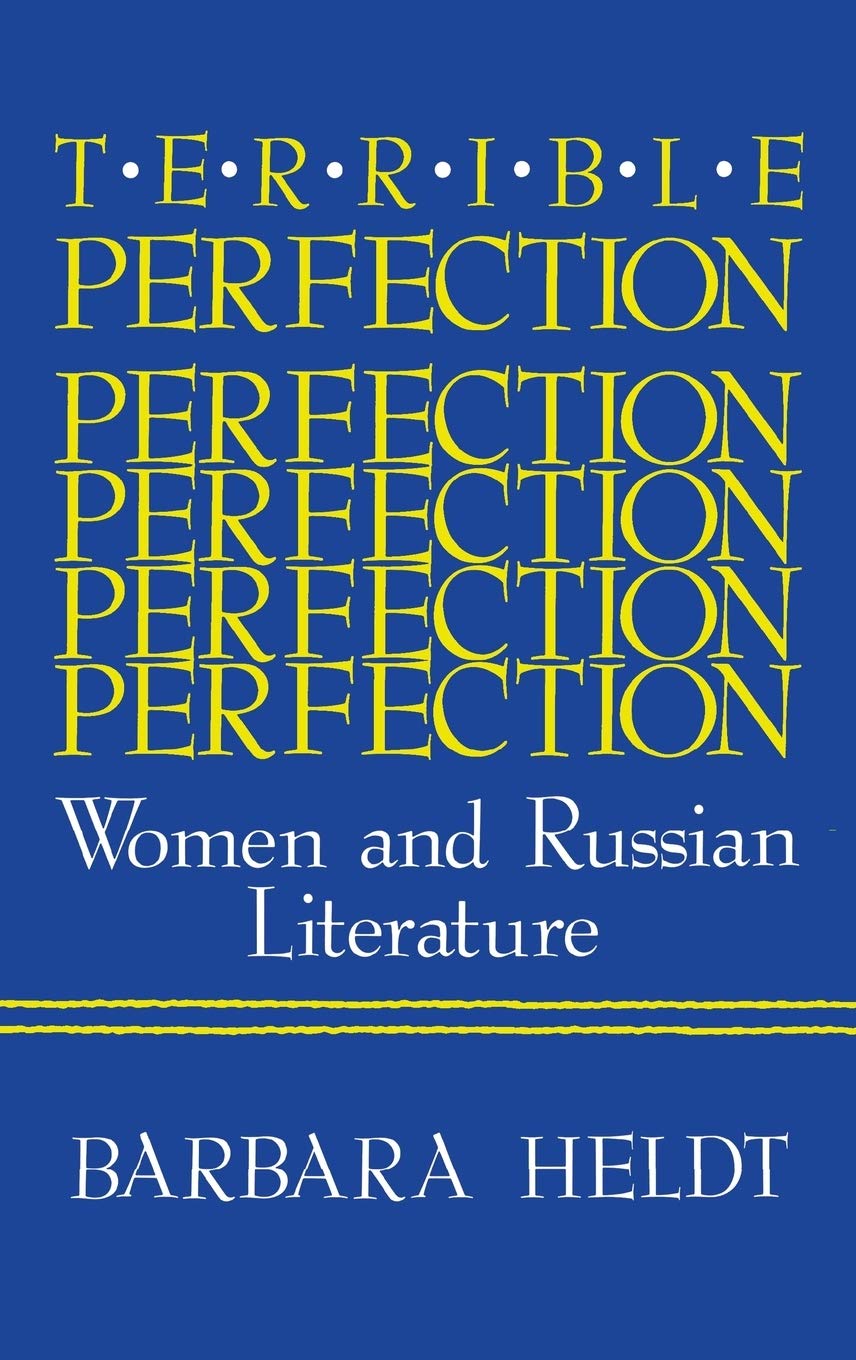
Terrible Perfection: Women and Russian Literature — Barbara Heldt (Indiana University Press, 1987)
The founding text of feminist Russian literary studies — with a chapter on Tolstoy and the ideal of female self-sacrifice that Anna refuses
Heldt's foundational study argues that male Russian writers constructed an ideal of "terrible perfection" — the self-sacrificing woman who redeems male failure — and that Anna Karenina is the novel that most dramatically refuses this role while still being punished for it. Her chapter on Tolstoy situates Anna Karenina within a broader pattern of female representation in Russian fiction, and it remains essential for understanding what makes Anna's position in the novel both representative and exceptional.
Buy on Amazon → 
A Plot of Her Own: The Female Protagonist in Russian Literature — ed. Sona Stephan Hoisington (Northwestern University Press, 1995)
An essay collection on female protagonists in Russian literature — including a dedicated chapter on Anna Karenina's narrative position
This collection gathers feminist readings of female protagonists across the Russian canon, from Pushkin through Bulgakov. Amy Mandelker's contribution — "The Judgment of Anna Karenina" — directly addresses the novel's treatment of Anna and extends the argument of her monograph into more specific textual analysis. The volume is useful for situating Anna Karenina alongside other Russian novels with female protagonists and understanding the shared critical questions they raise.
Buy on Amazon → 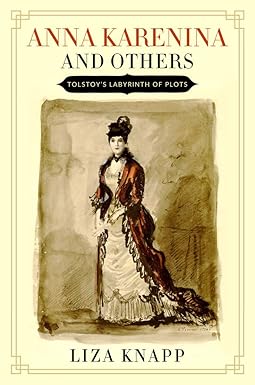
Anna Karenina and Others: Tolstoy's Labyrinth of Plots — Liza Knapp (University of Wisconsin Press, 2016)
A comparative literary study placing Anna Karenina alongside Middlemarch, The Scarlet Letter, and Mrs Dalloway — with the woman question at its centre
Knapp reads Anna Karenina comparatively, placing it in dialogue with George Eliot's Middlemarch, Hawthorne's The Scarlet Letter, and Woolf's Mrs Dalloway — novels that share its preoccupation with female fate, adultery, and social constraint. The comparative framework allows Knapp to identify what is distinctive about Tolstoy's treatment of Anna and what he shares with his European contemporaries. Literary criticism rather than explicitly feminist theory, but the woman question is central throughout.
Buy on Amazon → As an Amazon Associate, I earn from qualifying purchases.