As an Amazon Associate, we earn from qualifying purchases.
The Brothers Karamazov is ostensibly about three brothers and their father — about parricide, faith, and doubt — but its female characters are among the most psychologically vivid in Dostoevsky's work. Grushenka, the femme fatale who turns out to be something more complex; Katerina Ivanovna, whose pride and self-sacrifice are impossible to disentangle; Liza Khokhlakova, whose adolescent nihilism is treated with surprising seriousness — each of these figures has attracted sustained critical attention.
Feminist scholars have asked whether Dostoevsky grants his women genuine subjectivity or uses them as instruments of the male characters' spiritual drama. The works below represent the major positions in that debate.
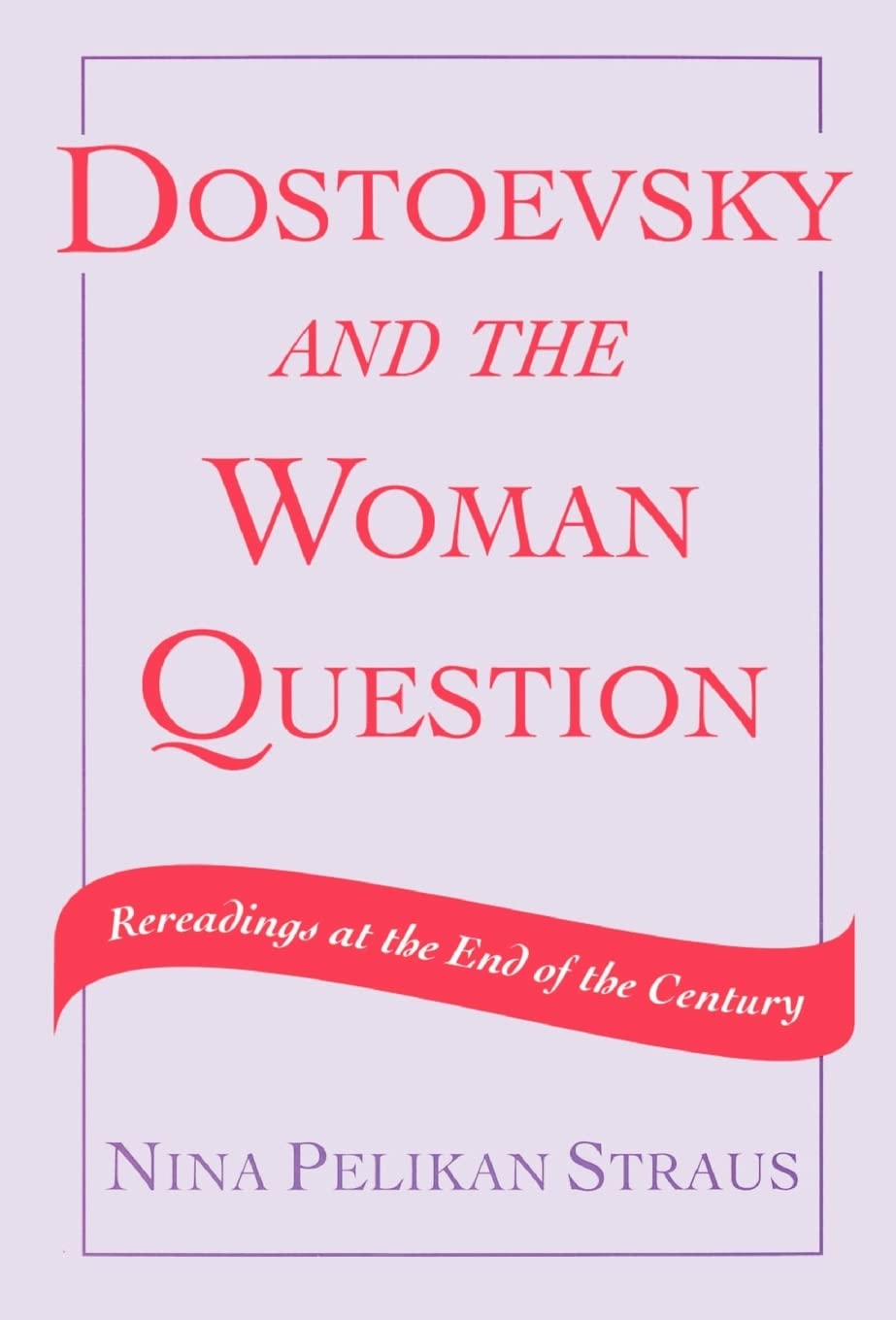
Dostoevsky and the Woman Question: Rereadings at the End of a Century — Nina Pelikan Straus (St. Martin's Press, 1994)
The foundational feminist study of women across Dostoevsky's major novels — with close attention to Grushenka and Katerina in The Brothers Karamazov
Straus explores Dostoevsky's engagement with nineteenth-century feminist ideas and his complex, often contradictory treatment of female characters across the major novels. Her reading of The Brothers Karamazov focuses on Grushenka and Katerina Ivanovna as figures who exert real power within a patriarchal social order — not merely as vehicles for the brothers' redemption or damnation. Straus argues that Dostoevsky's sympathy for women's suffering coexists with a fundamentally male-centred worldview, and that this tension is productive rather than simply limiting. The essential starting point for feminist reading of Dostoevsky.
Buy on Amazon → 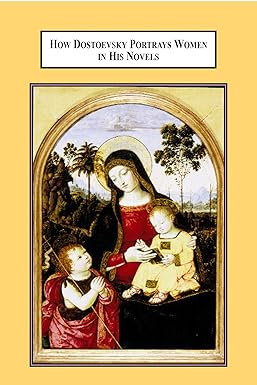
How Dostoevsky Portrays Women in His Novels: A Feminist Analysis — Katherine Jane Briggs (Edwin Mellen Press, 2009)
A feminist theological reading of Dostoevsky's female characters — with significant attention to Madame Khokhlakova and Liza in The Brothers Karamazov
Briggs offers a feminist theological reading of Dostoevsky's women, examining themes of sacrifice, motherhood, and spiritual influence across his major fiction. Her chapters on The Brothers Karamazov focus particularly on Madame Khokhlakova and her daughter Liza — characters often dismissed as comic or pathological — and on the ways female moral authority operates within a novel dominated by male theological argument. Briggs argues that Dostoevsky grants his women genuine emotional depth while ultimately subordinating them to the spiritual development of his male protagonists. An academic monograph for readers who want detailed close reading.
Buy on Amazon → 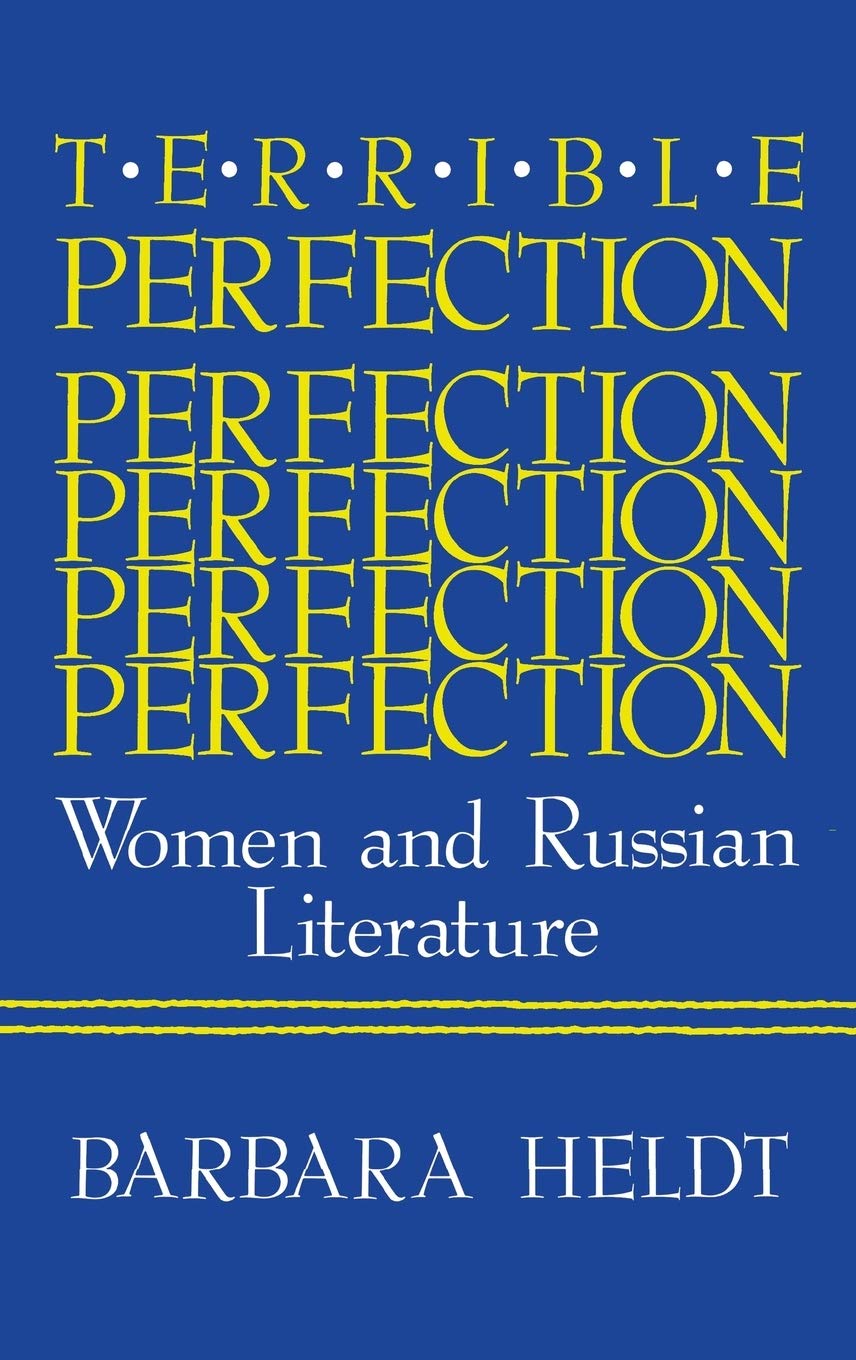
Terrible Perfection: Women and Russian Literature — Barbara Heldt (Indiana University Press, 1987)
The founding text of feminist Russian literary studies — the book that first mapped the systematic misrepresentation of women across the Russian canon
Barbara Heldt's Terrible Perfection was the first book-length feminist study of Russian literature, and it remains foundational. Heldt argues that male Russian writers constructed an ideal of "terrible perfection" — the self-sacrificing, spiritually superior woman who justifies male failure and grants male redemption — and that this ideal, while producing some of literature's most compelling female characters, is itself a form of misrepresentation. Her analysis of Dostoevsky engages directly with the women of The Brothers Karamazov and the broader pattern they exemplify. Essential reading for understanding the critical tradition this novel sits within.
Buy on Amazon → As an Amazon Associate, I earn from qualifying purchases.