The Brothers Karamazov: What It's About & Best Translation
The translation debate here is sharper than for any other Dostoevsky novel
As an Amazon Associate, we earn from qualifying purchases.
The Brothers Karamazov is a philosophical novel centered on the moral and spiritual struggles of the Karamazov family. It explores themes of faith, doubt, and the nature of free will through the lives of three brothers and their father, culminating in a murder mystery that challenges their beliefs.
Translation Comparison at a Glance
| Translation | Readability | Accuracy | Tone | Best For |
|---|---|---|---|---|
| Pevear & Volokhonsky (1990) | Moderate | Excellent | Faithful to jagged Russian cadences | Most readers, serious study |
| Avsey (1994) | High | Very good | Idiomatic, natural dialogue | Second reads, dramatic flow |
| McDuff (1993) | Very high | Good | Lean and fast | First-time readers, momentum |
| Garnett (1912) | Moderate | Fair | Victorian gravity | Historical interest, Zosima |
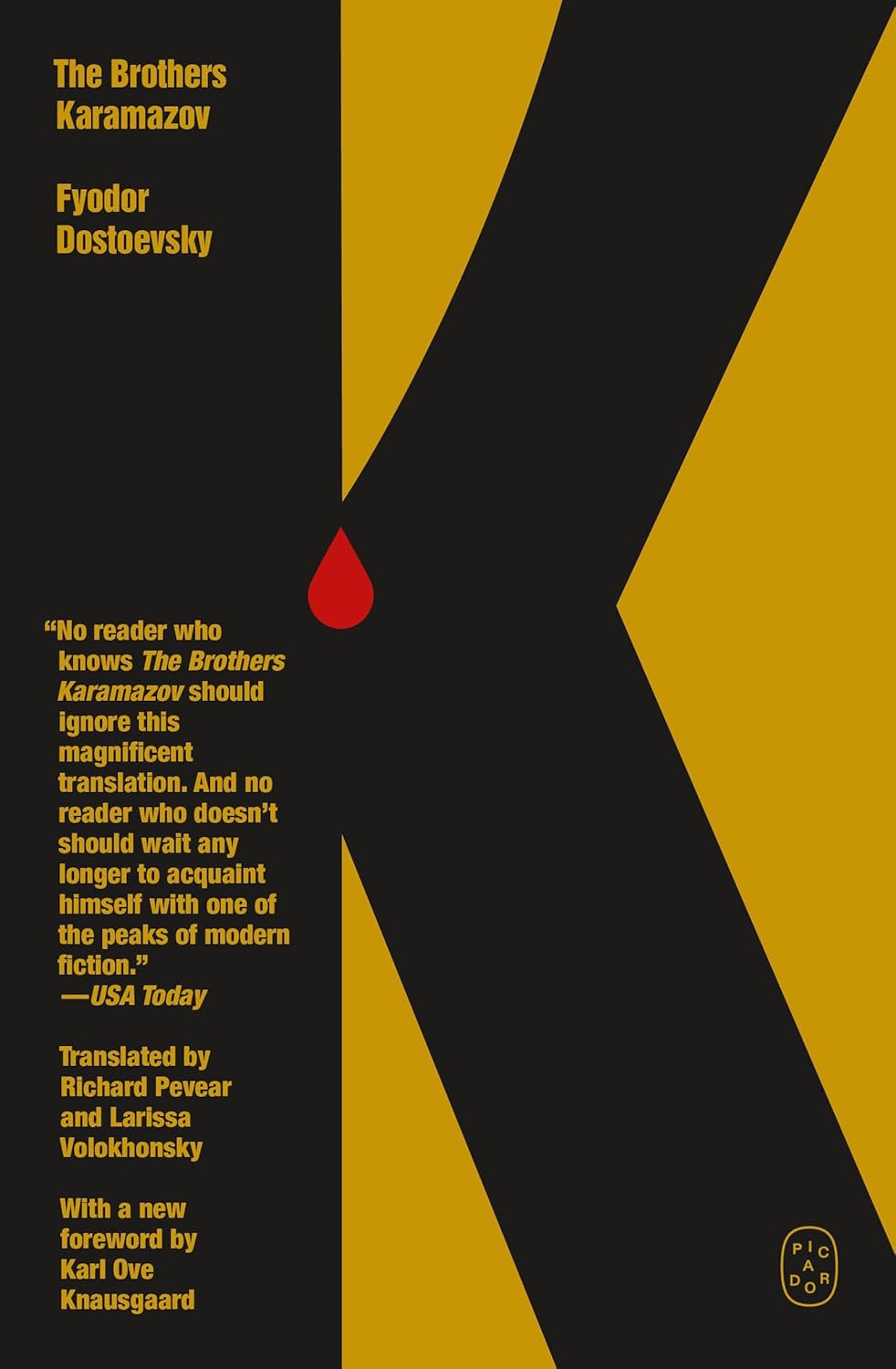
#1 — The Brothers Karamazov — trans. Richard Pevear & Larissa Volokhonsky (1990)
- Readability: Moderate; preserves demanding Russian rhythms
- Accuracy: Excellent fidelity to jagged sentences and philosophical weight
- Tone: Faithful to overlapping voices and dangerous speeches
- Accessibility: Strong for serious first or repeat readers

Davidson's rich, nuanced narration captures the philosophical depth and dramatic intensity of Dostoevsky's masterpiece, while the Pevear and Volokhonsky translation is widely regarded as the most faithful to the original Russian text.
Listen on Audible →Which translation is right for you?
- Choose Pevear & Volokhonsky if you want the most rigorous modern translation that preserves Dostoevsky's demanding rhythms and philosophical weight.
- Choose Avsey if you are a serious reader seeking fluent, idiomatic English with natural dialogue and a useful character chart.
- Choose McDuff if you want a leaner, faster read that prioritizes narrative momentum for a first encounter with this long novel.
- Choose Garnett if you prefer Victorian gravity and want to understand how the English-speaking world first received the novel.
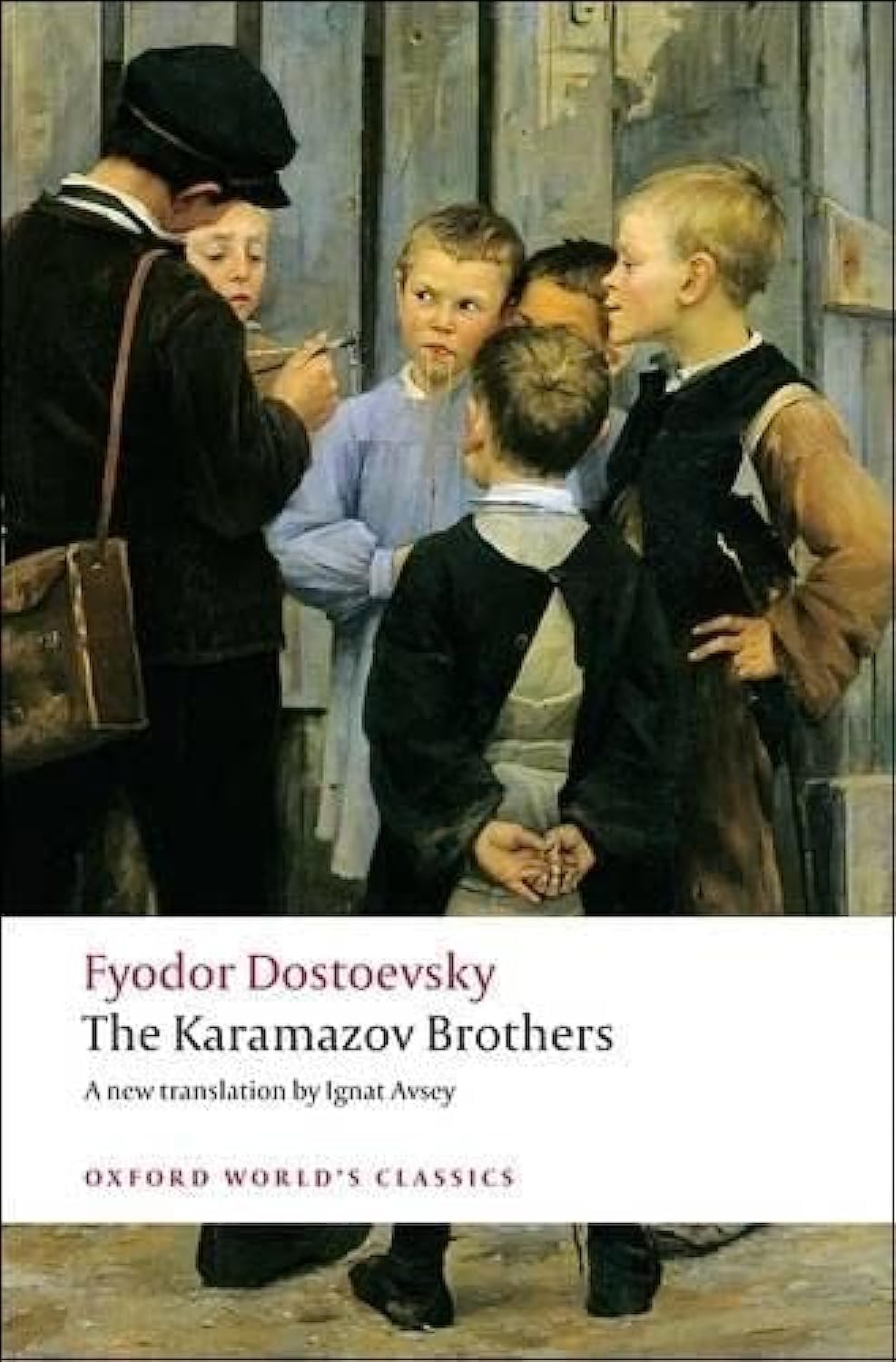
#2 — The Karamazov Brothers — trans. Ignat Avsey (1994)
- Readability: High; fluent modern English
- Accuracy: Very good, especially on dialogue
- Tone: Naturalistic and dramatically alive
- Accessibility: Excellent for serious readers who want flow
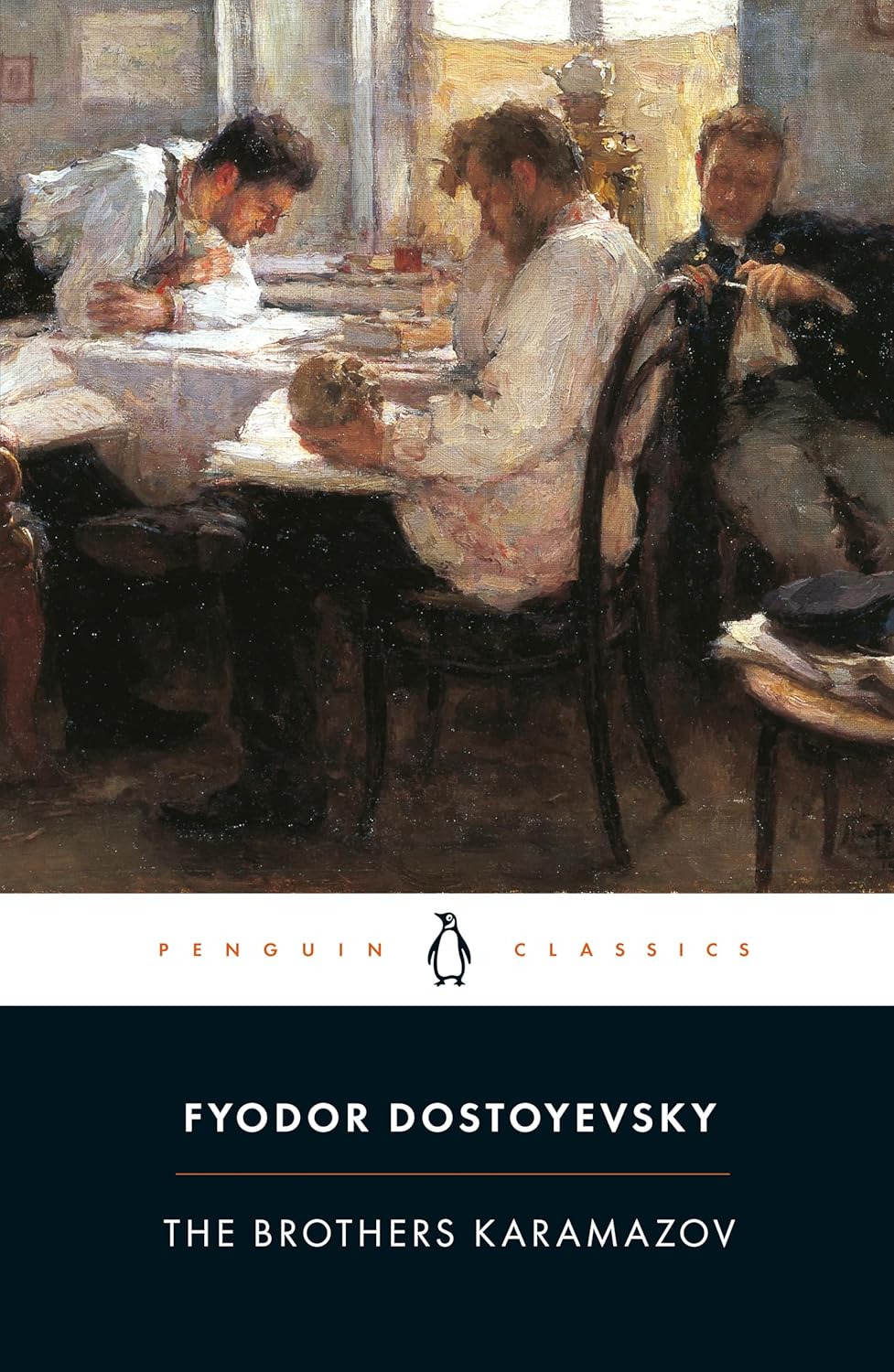
#3 — The Brothers Karamazov — trans. David McDuff (1993)
- Readability: Very high; lean and fast
- Accuracy: Good on plot and character
- Tone: Prioritizes momentum over texture
- Accessibility: Best entry point for first-time readers
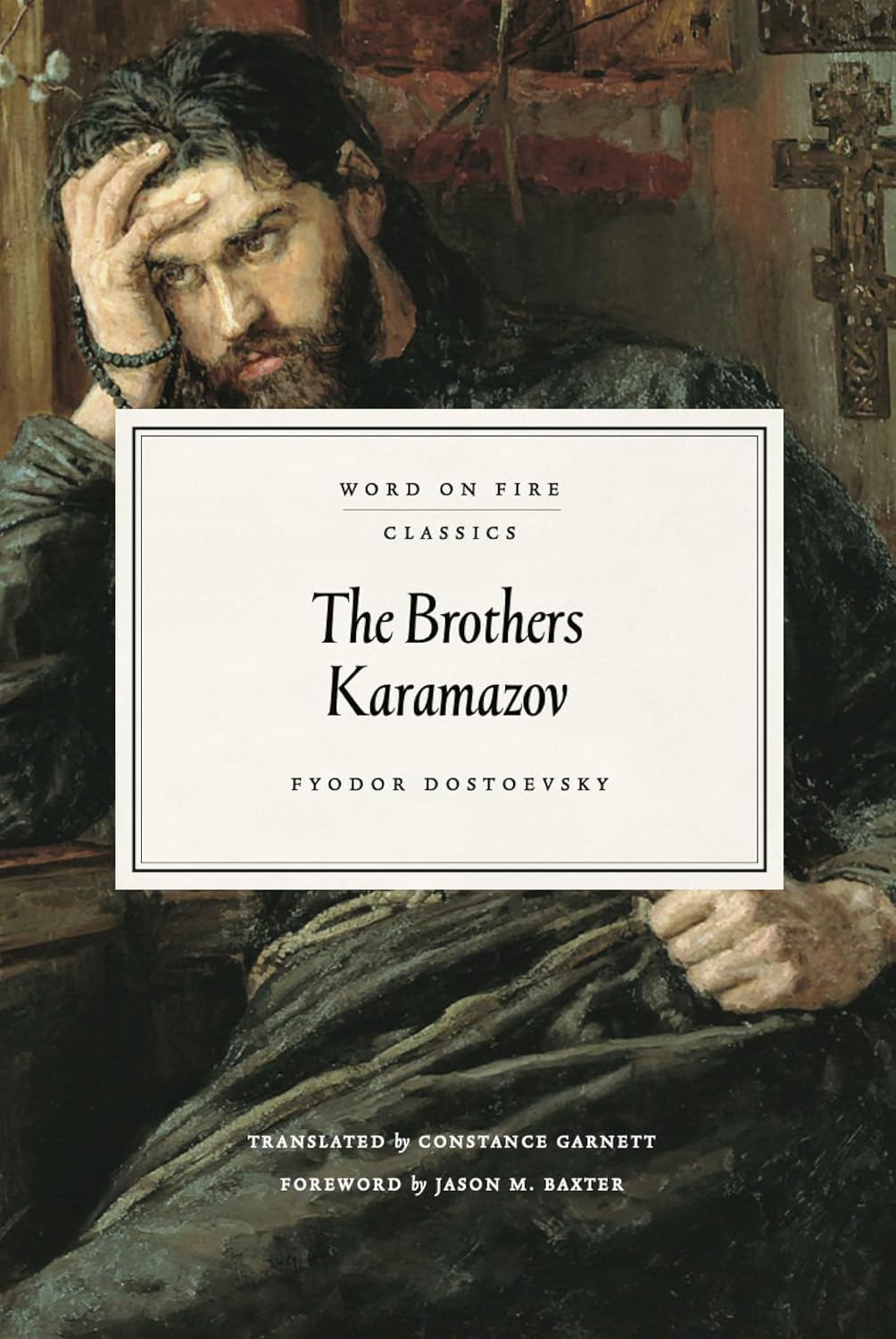
#4 — The Brothers Karamazov — trans. Constance Garnett (1912)
- Readability: Moderate; Victorian prose
- Accuracy: Fair; smooths rough edges
- Tone: Moral and spiritual gravity
- Accessibility: Best for historical context
About the Translators
Richard Pevear & Larissa Volokhonsky — The Brothers Karamazov was actually the first major Dostoevsky novel they translated together, published in 1990 and the work that established their reputation. It won the PEN/Book-of-the-Month Club Prize and set the template for all their subsequent Dostoevsky translations. Volokhonsky, a native Russian speaker, produces the literal working draft; Pevear shapes it into English prose. Their method — controversial for the pressure it places on English syntax — tends to find its defenders most readily on Karamazov, where Dostoevsky's own prose is at its most philosophically demanding.
Ignat Avsey is a British scholar and translator of Russian literature. His 1994 Oxford World's Classics translation is distinguished both by its idiomatic modern English prose and by his decision to retitle the novel The Karamazov Brothers — a choice he defends in a substantial introduction as truer to the Russian original (Братья Карамазовы places the family name last). The translation is particularly praised by readers who find P&V's dialogue stilted; Avsey's Karamazov family argues with a naturalism that feels dramatically alive.
David McDuff is a Scottish translator whose work ranges across Russian and Nordic literature. His 1993 Penguin Classics translation takes the same approach he brought to Crime and Punishment: leaner and faster than the alternatives, prioritizing narrative momentum over philosophical texture. Particularly useful for a novel of this length.
Constance Garnett (1861–1946) translated her Brothers Karamazov in 1912, introducing the novel to the English-speaking world and shaping how generations of readers understood Dostoevsky. Unlike her Crime and Punishment — where the critical case against her is fairly settled — her Karamazov has genuine scholarly defenders who argue her Victorian gravity suits the novel's spiritual register in ways more literal modern versions miss.
Themes
The Brothers Karamazov is built around three brothers who each embody a different response to the same crisis of faith. Dmitri is passion and the body; Ivan is intellect and doubt; Alyosha is faith practiced as active love rather than argued as doctrine. The novel's murder plot — who killed their father, who is guilty, what guilt even means — exists partly to test these three positions against the pressure of real events. Dostoevsky structures the whole as a philosophical argument conducted through character rather than through debate.
The Grand Inquisitor chapter — Ivan's prose poem to Alyosha about a Cardinal who imprisons the returned Christ — is the novel's philosophical center and one of the most sustained arguments in all of fiction. Ivan's position is not that God doesn't exist but that even if he does, a world in which children suffer is a world he refuses to accept. The Cardinal's counter-argument — that humanity cannot bear the burden of freedom, and that a compassionate authority who removes it is more genuinely loving than a God who allows it — is one the novel never fully refutes. Dostoevsky believed the Grand Inquisitor was the strongest argument against Christianity he could imagine, and he knew he had to answer it through Alyosha and Zosima rather than through counter-argument.
Father Zosima's doctrine of active love is Dostoevsky's answer. Where Ivan loves humanity in the abstract and finds the specifics intolerable, Zosima — and Alyosha after him — loves particular people in all their difficulty. The novel's moral architecture depends on this being a genuinely persuasive alternative, not a pious platitude, which is why translators who make Zosima sound pompous rather than wise undercut the entire structure. The question of whether Dostoevsky's answer to Ivan actually works is one serious readers have been arguing about since 1880.
Key Characters
Fyodor Pavlovich Karamazov — The patriarch: buffoon, sensualist, and miser. He has fathered his three legitimate sons by two different women and taken almost no responsibility for any of them. His murder is the novel's central event, but more importantly he is the problem each son is trying to solve — how to be a moral person when you have been raised by a man like this. He is grotesque and, in Dostoevsky's hands, intermittently funny.
Dmitri (Mitya) Karamazov — The eldest, passionate and violent, in love with Grushenka and engaged to Katerina. The novel uses him to explore the gap between moral culpability and legal guilt: he is guilty of almost every sin except the one he is actually accused of, and the injustice of his conviction is the closest the novel comes to making Ivan's case for him.
Ivan Karamazov — The intellectual son, author of the Grand Inquisitor. His argument is the most sophisticated theodicy-refusal in Russian literature. His breakdown in the final third — the hallucinatory conversation with the devil — is Dostoevsky's answer to that argument, showing what happens to a mind that has refused to believe in anything but its own logic.
Alyosha Karamazov — The youngest son, Zosima's novice, the novel's moral center. He functions not as a saint but as someone who knows how to love specific people rather than abstract humanity. Dostoevsky intended him as the hero of a planned sequel that was never written.
Father Zosima — The Elder whose teachings shadow the whole novel. His life story, given in the "Russian Monk" section, and his doctrine of active love are the theological counterweight to Ivan's Grand Inquisitor. How a translator renders Zosima's voice — warmly authoritative or stiffly pious — determines whether the novel's answer to Ivan lands or doesn't.
Smerdyakov — The illegitimate fourth son, born to a mentally disabled woman on Fyodor's property. He is the novel's actual murderer and its darkest psychological portrait — a man who worships Ivan's ideas and then uses them as permission. His relationship to Ivan is one of the most disturbing ironies in the book.
Recommended Sources
Slavic and East European Journal — The flagship peer-reviewed publication of the American Association of Teachers of Slavic and East European Languages (AATSEEL). Regularly publishes translation criticism and Dostoevsky scholarship. Available through JSTOR.
Slavic Review — Published by Cambridge University Press on behalf of the Association for Slavic, East European, and Eurasian Studies. One of the two leading English-language journals in Russian literary and cultural studies, covering Dostoevsky reception and translation history extensively.
Dostoevsky Studies — The journal of the International Dostoevsky Society, published annually and dedicated entirely to Dostoevsky scholarship across all major languages. The most specialized peer-reviewed venue for close work on Dostoevsky's texts, translation history, and reception.
Frequently Asked Questions
What is The Brothers Karamazov about?
The Brothers Karamazov is a philosophical novel centered on the moral and spiritual struggles of the Karamazov family. It explores themes of faith, doubt, and the nature of free will through the lives of three brothers and their father, culminating in a murder mystery that challenges their beliefs.
Is The Brothers Karamazov hard to read?
The Brothers Karamazov can be challenging due to its philosophical depth and complex narrative. The Pevear & Volokhonsky translation is rigorous, while McDuff offers a more accessible read. Avsey provides a balance with idiomatic English.
Which Brothers Karamazov translation is best?
The Pevear and Volokhonsky translation remains this guide's primary recommendation for most readers. It won the PEN/Book-of-the-Month Club Prize and is the most rigorous modern translation available.
Pevear & Volokhonsky vs Avsey — which should I choose?
Pevear and Volokhonsky preserve the Russian cadences at the cost of occasional awkwardness. Avsey writes in fluent, idiomatic modern English that never calls attention to itself as translation and is particularly strong on the novel's dialogue.
Which translation is easiest to read?
McDuff's Penguin Classics translation is leaner and faster than either Pevear or Avsey, prioritizing narrative momentum over philosophical texture and making it the most accessible entry point.
Which translation is most accurate?
Pevear and Volokhonsky bring the same fidelity to Dostoevsky's rhythms that made their Crime and Punishment definitive — the jagged sentences, the overlapping voices, the philosophical speeches.
Why does Avsey title the novel The Karamazov Brothers?
Avsey defends the title The Karamazov Brothers as truer to the Russian original (Братья Карамазовы places the family name last) in his substantial introduction.
This guide is based on reading all 4 translations and reviewing scholarly commentary. Last reviewed: June 2026.
As an Amazon Associate, I earn from qualifying purchases.
Looking for another classic? Browse all our translation guides →
Reading more Dostoevsky? See our guide to the best Crime and Punishment translation.
For another major Dostoevsky novel, compare editions in our Idiot translation guide.
Pevear & Volokhonsky fans should check our Demons translation guide next.
Also exploring their work: our Notes from Underground translation guide compares P&V against Katz and Wilks.