As an Amazon Associate, we earn from qualifying purchases.
Emma Bovary has been called the first feminist novel's protagonist and the ultimate anti-feminist figure — a woman whose desires are trivial, whose aspirations are borrowed from romance novels, and who is destroyed by her own romantic delusion. Feminist critics have challenged this reading sharply: Emma's desires may be shaped by cheap fiction, but they are desires for things — beauty, passion, a life that means something — that her society refuses to make available to a woman by any legitimate means.
The works below span the genre of the adultery novel, the specific politics of Flaubert's prose, and the broader question of what the nineteenth-century novel does to its female protagonists.
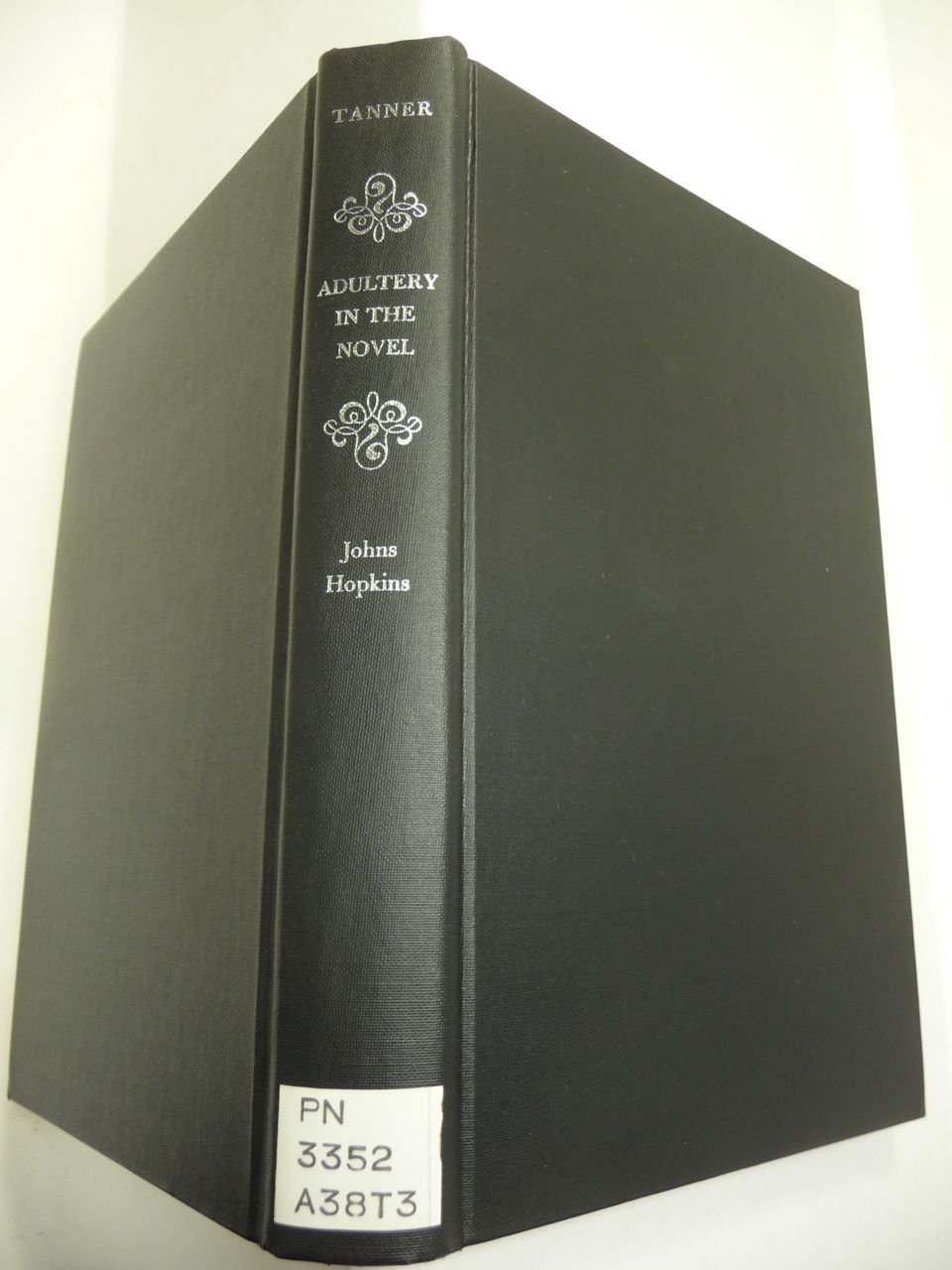
Adultery in the Novel: Contract and Transgression — Tony Tanner (Johns Hopkins University Press, 1979)
The foundational study of adultery as the central subject of the nineteenth-century novel — with Madame Bovary as a primary case
Tanner's influential study argues that adultery is not simply a theme in the nineteenth-century novel but its structural centre: the genre is built around the social contract of marriage and the transgression that threatens it. His extended reading of Madame Bovary — one of the book's three sustained case studies alongside Rousseau and Goethe — analyses how Flaubert's prose style both inhabits Emma's perspective and maintains an ironic distance from it, producing a text whose relationship to its protagonist's desires is genuinely ambiguous. The book that established the critical framework within which most feminist readings of Emma subsequently operate.
Buy on Amazon → 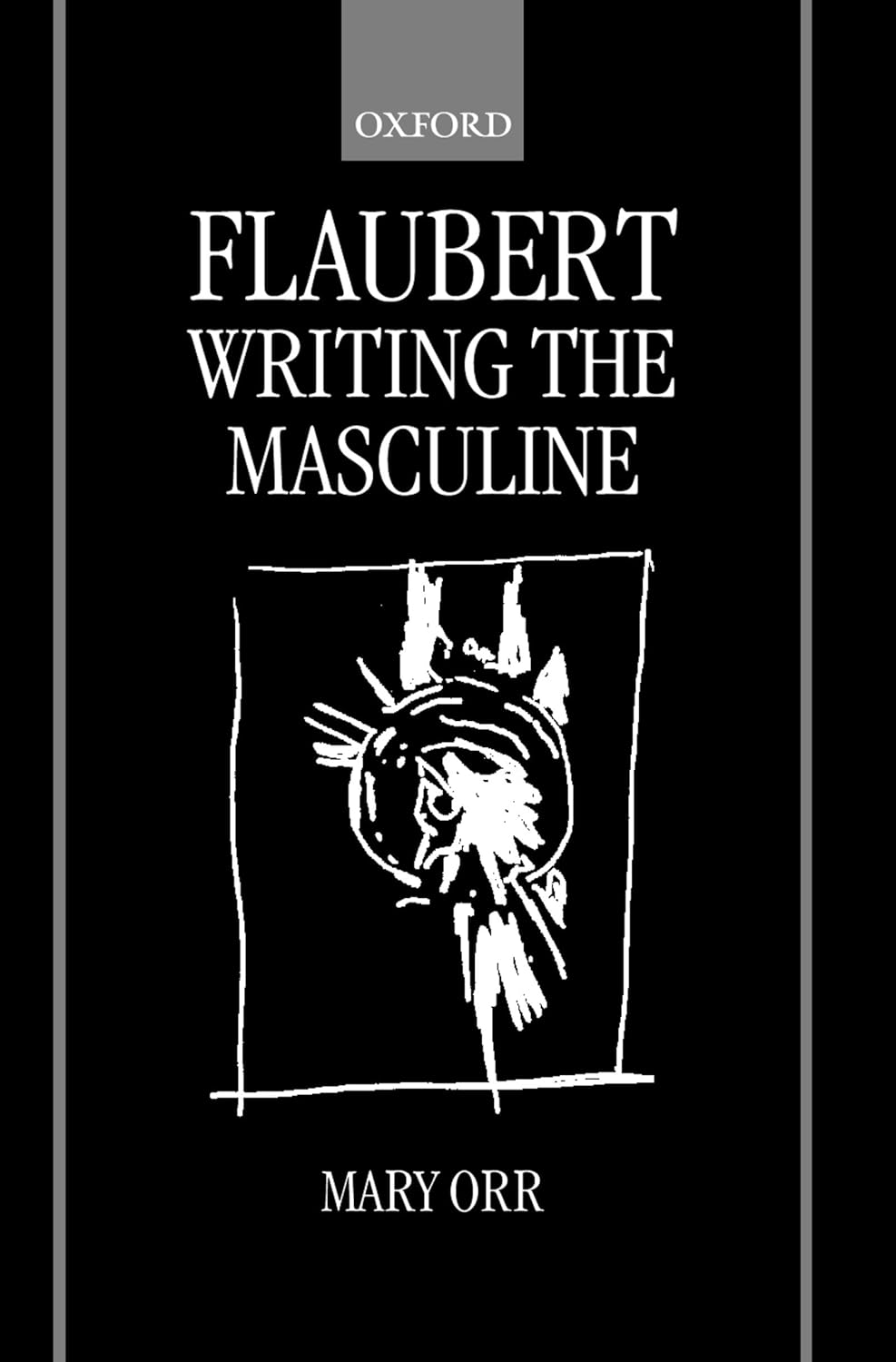
Flaubert: Writing the Masculine — Mary Orr (Oxford University Press, 2000)
A feminist reading of Flaubert's full oeuvre — centred on what it means that a male author wrote the nineteenth century's defining female protagonist
Orr reads Flaubert's body of work through feminist theory of gender and authorship, asking what it means that the nineteenth century's most celebrated female character — Emma Bovary — was created by a man who famously said "Madame Bovary, c'est moi." Her analysis engages with Flaubert's prose style as itself a gendered performance: the famous style indirect libre, which dissolves the boundary between narrator and character, is read as a form of cross-gender ventriloquism that has both liberating and appropriative dimensions. The essential work for readers interested in the gender politics of Flaubert's technique.
Buy on Amazon → 
Breaking the Chain: Women, Theory, and French Realist Fiction — Naomi Schor (Columbia University Press, 1985)
A foundational feminist reading of French realism — including an influential essay on writing, speech, and sexual difference in Madame Bovary
Schor's collection applies feminist literary theory to the French realist tradition, and the essay on Madame Bovary — "For a Restricted Thematics: Writing, Speech, and Difference" — is one of the most cited feminist readings of the novel. Schor analyses the relationship between Emma's literacy, her romantic fantasy, and her social powerlessness, arguing that Flaubert constructs a heroine whose access to language and narrative is systematically restricted even as the novel itself demonstrates the possibilities of language. A landmark in feminist theory applied to nineteenth-century French fiction.
Buy on Amazon → 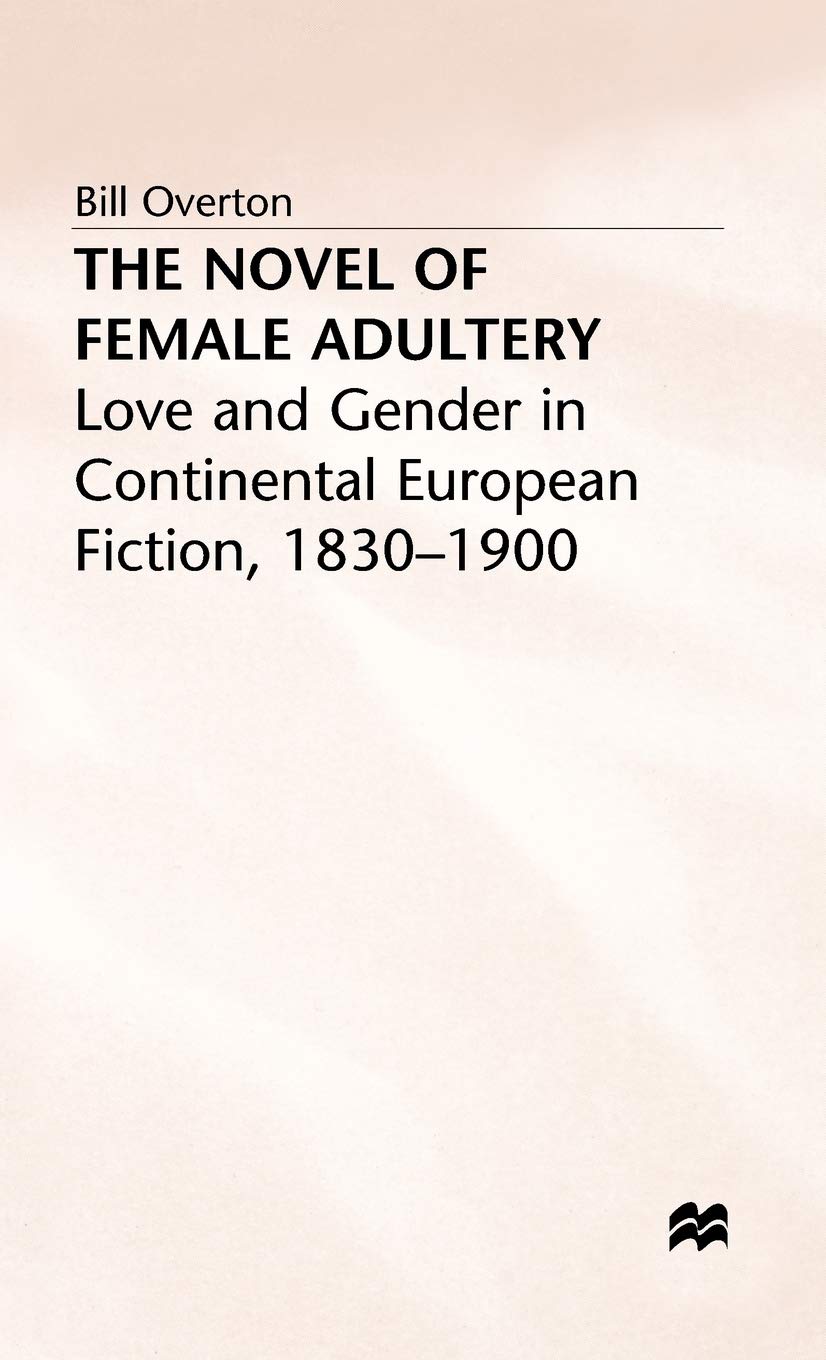
The Novel of Female Adultery: Love and Gender in Continental European Fiction, 1830–1900 — Bill Overton (Palgrave Macmillan, 1996)
A comparative study of the adultery novel across European fiction — situating Madame Bovary within a tradition of punished female desire
Overton surveys the European novel of female adultery from 1830 to 1900, analysing Flaubert alongside Stendhal, Fontane, Eça de Queirós, and others to argue that the genre systematically inscribes and enforces the double standard: female adultery is punished; male infidelity is tolerated or invisible. His reading of Madame Bovary situates Emma within this broader pattern of fictional punishment, while attending to the ways Flaubert's irony complicates the genre's usual moral clarity. Useful for readers who want to understand what is conventional and what is distinctive about Flaubert's treatment of adultery.
Buy on Amazon → As an Amazon Associate, I earn from qualifying purchases.