A Man on the Moon: Book Review
Summary & Key Themes
What Is "A Man on the Moon: The Voyages of the Apollo Astronauts" About?
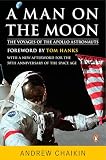
Andrew Chaikin’s A Man on the Moon: The Voyages of the Apollo Astronauts is a meticulously researched narrative that chronicles the Apollo program, from its early days to the final lunar landing. Focusing on the human side of the missions, Chaikin draws from extensive interviews with astronauts to provide an intimate look at their experiences, challenges, and triumphs. The book covers all Apollo missions but gives particular attention to Apollo 11’s historic moon landing, capturing the technical and emotional complexities of the journey.
Key Themes in "A Man on the Moon: The Voyages of the Apollo Astronauts"
Chaikin’s work stands out for its emphasis on the astronauts’ personal perspectives, blending technical detail with human drama. Unlike drier historical accounts, A Man on the Moon highlights the camaraderie, rivalries, and individual personalities that shaped the missions. Another key theme is the sheer audacity of the Apollo program, portraying it as both a technological marvel and a deeply human endeavor.
Historical Accuracy & Critical Reception
How Accurate Is "A Man on the Moon: The Voyages of the Apollo Astronauts"?
Widely praised for its accuracy, Chaikin’s book is based on firsthand accounts from astronauts and NASA personnel, making it one of the most authoritative sources on the Apollo program. Critics and space historians alike commend its thorough research and balanced portrayal of events, though some note that newer discoveries about the moon may not be reflected in this 1994 work.
Is "A Man on the Moon: The Voyages of the Apollo Astronauts" Worth Reading?
Absolutely—this book is a must-read for anyone interested in the Apollo missions, offering unparalleled depth and storytelling. However, its detailed narrative might feel slow to readers seeking a quick overview, and its focus on the astronauts means less emphasis on the broader political or engineering context compared to other works.
"A Man on the Moon: The Voyages of the Apollo Astronauts" vs. Other Books on Apollo 11 Moon Landing
Compared to How Apollo Flew to the Moon by W. David Woods, which delves into technical specifics, Chaikin’s book is more narrative-driven and accessible. Apollo: The Race to the Moon by Murray and Cox provides a broader institutional perspective, while Moonshot by Brian Floca is a simpler, illustrated account for younger readers. Chaikin’s strength lies in blending human drama with historical rigor, making it a standout for those who want both emotion and detail.
Who Should Read "A Man on the Moon: The Voyages of the Apollo Astronauts"?
Beginners & Accessibility
While prior knowledge isn’t required, beginners might find the level of detail overwhelming; it’s best suited for readers already intrigued by space history. For a gentler introduction, Moonshot might be preferable.
Length & Difficulty
At over 500 pages, the book is substantial but written in clear, engaging prose. The pacing is deliberate, rewarding patient readers with rich insights.
Books Like "A Man on the Moon: The Voyages of the Apollo Astronauts"
For those who enjoyed Chaikin’s approach, Voices from the Moon: Apollo Astronauts Describe Their Lunar Experiences — Chaikin’s 2009 companion book built around astronaut interviews — offers a shorter, quote-driven counterpart to the full narrative. Failure Is Not an Option by Gene Kranz provides a mission-control perspective, while Carrying the Fire by Michael Collins is a standout memoir from Apollo 11’s command module pilot. Each complements Chaikin’s work with unique viewpoints on the era.
As an Amazon Associate, we earn from qualifying purchases.