Apollo 11 moon landing: Best Books & Historical Overview
What Was the Apollo 11 Moon Landing?
The Apollo 11 moon landing, which occurred on July 20, 1969, marked the first time humans set foot on the Moon. Astronauts Neil Armstrong and Buzz Aldrin descended to the lunar surface in the Lunar Module Eagle, while Michael Collins orbited above in the Command Module Columbia. Armstrong’s famous words, "That's one small step for a man, one giant leap for mankind," were broadcast to an estimated 650 million viewers worldwide, symbolizing a monumental achievement in human history.
This mission was the culmination of NASA’s Apollo program, a Cold War-era effort to fulfill President John F. Kennedy’s 1961 goal of landing a man on the Moon before the end of the decade. Beyond its scientific and technological significance, the event represented a triumph of human ingenuity and international prestige, cementing the U.S. as a leader in space exploration.
Book Comparison at a Glance
| Book | Readability | Depth | Best For |
|---|---|---|---|
| A Man on the Moon | High | Comprehensive | Readers wanting full narrative |
| How Apollo Flew to the Moon | Moderate | Technical deep dive | Engineers & space enthusiasts |
| Apollo: The Race to the Moon | Moderate | Rigorous history | History & policy buffs |
| Moonshot | High | Illustrated overview | Kids & casual readers |
| Apollo 11: The Inside Story | High | Insider perspective | Fans of personal stories |
Best Books About the Apollo 11 Moon Landing
The Apollo 11 moon landing has inspired numerous books, each offering unique perspectives—from technical breakdowns to gripping narratives. Below are the definitive works on this historic event, ensuring readers find the right book for their interests.

A Man on the Moon: The Voyages of the Apollo Astronauts
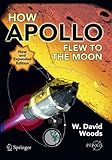
How Apollo Flew to the Moon

Apollo: The Race to the Moon
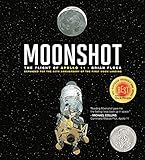
Moonshot: The Flight of Apollo 11
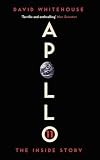
Apollo 11: The Inside Story
Impact & Consequences of the Apollo 11 Moon Landing
The Apollo 11 mission reshaped global perspectives on science, technology, and geopolitics. It demonstrated the feasibility of crewed space exploration and spurred advancements in computing, materials science, and telecommunications. The mission also had profound cultural effects, inspiring generations to pursue careers in STEM and fostering a sense of shared human achievement during a divisive era.
Politically, the moon landing was a Cold War victory, proving American technological superiority over the Soviet Union. However, it also prompted debates about the cost and purpose of space exploration, leading to shifts in NASA’s priorities in the decades that followed. Today, Apollo 11 remains a touchstone for discussions about humanity’s future in space.
Best Apollo 11 Astronaut Biographies & Memoirs
The personal stories of the Apollo 11 astronauts—Neil Armstrong, Buzz Aldrin, and Michael Collins—continue to captivate readers. Armstrong’s reserved demeanor, Aldrin’s outspoken personality, and Collins’ reflective perspective offer rich material for biographies. While this section highlights broader Apollo literature, memoirs like Aldrin’s Magnificent Desolation and Armstrong’s authorized biography First Man (not listed in our core books) delve deeper into their lives.
Public fascination with the astronauts’ legacies is evident in frequent queries about their relationships, post-mission lives, and even final words. Their experiences—from training to lunar footsteps—humanize one of history’s most technical achievements, making astronaut biographies a vital part of Apollo literature.
Apollo 11 Books for Kids & Young Adults
The moon landing is a staple of childhood curiosity, inspiring countless educational books. Titles like Moonshot simplify the mission for young readers, while others blend illustrations with engaging narratives. These books often emphasize themes of teamwork and perseverance, aligning with school curricula and parental searches for age-appropriate space history.
Popular queries reflect demand for books that balance accuracy with accessibility, ensuring kids grasp the mission’s significance without overwhelming detail. From picture books for toddlers to middle-grade nonfiction, Apollo 11’s story remains a gateway to lifelong interest in science and exploration.
Apollo 11 Technical & Mission Detail Books
For those fascinated by the mission’s mechanics, technical books break down Apollo 11’s engineering feats. How Apollo Flew to the Moon meticulously explains spacecraft design, navigation, and lunar landing procedures. Such works cater to readers who crave details beyond the broader narrative—answering questions about software, propulsion, and astronaut training.
Search trends reveal enduring interest in the mission’s "how," with queries ranging from spacecraft schematics to computer programming. These books serve as essential resources for students, engineers, and hobbyists reconstructing Apollo’s technological legacy.
Frequently Asked Questions
What is the best book on Apollo 11?
"A Man on the Moon" by Andrew Chaikin is widely regarded as the definitive account of the Apollo 11 mission and the entire Apollo program.
What does the plaque left on the Moon say?
The plaque affixed to the Lunar Module's descent stage reads: "Here men from the planet Earth first set foot upon the Moon July 1969, A.D. We came in peace for all mankind."
Are there any firsthand accounts of Apollo 11 by the astronauts themselves?
Yes — Buzz Aldrin has written several memoirs about the mission, and Michael Collins's Carrying the Fire is widely regarded as one of the best astronaut-authored accounts of the Apollo program.
What is a good children's book about Apollo 11?
"Moonshot: The Flight of Apollo 11" by Brian Floca is an award-winning illustrated children's book that tells the Apollo 11 story in an engaging, age-appropriate way.
As an Amazon Associate, we earn from qualifying purchases.