The Little Prince: What It's About & Best Translation
A children's book for adults — or an adult book in disguise — in any case one of the most translated texts in the world
As an Amazon Associate, we earn from qualifying purchases.
The Little Prince tells the story of a young prince who travels from planet to planet, meeting various inhabitants and learning about human nature. It explores themes of love, loss, and the folly of adult reasoning.
Translation Comparison at a Glance
| Translation | Readability | Accuracy | Tone | Best For |
|---|---|---|---|---|
| Howard (2000) | High | Excellent | Precise, contemporary | First reading, fidelity |
| Woods (1943) | High | Good | Warm, sentimental | Historical interest, nostalgia |
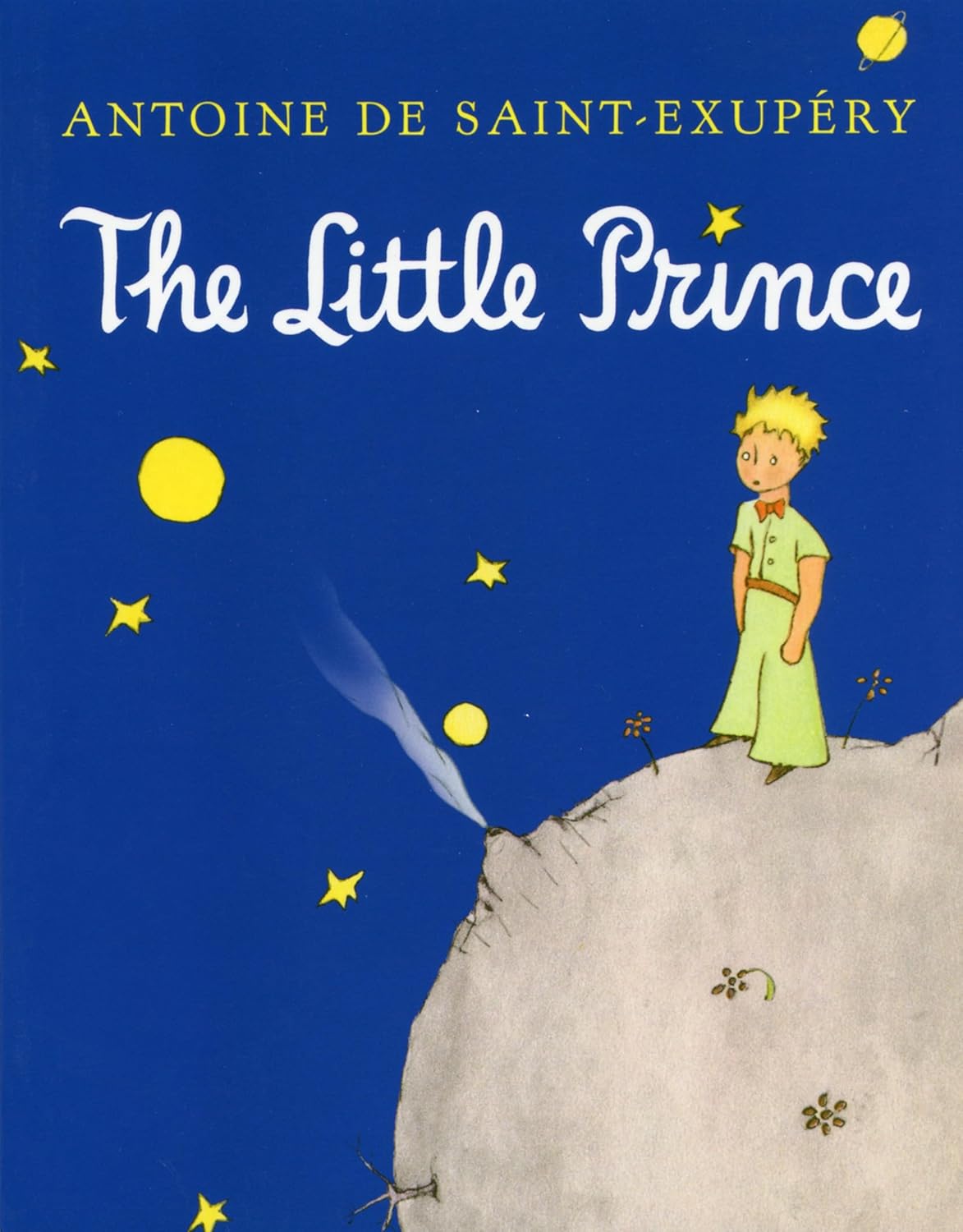
#1 — The Little Prince — trans. Richard Howard (2000)
- Readability: High — contemporary register that remains otherworldly.
- Accuracy: Excellent — follows Saint-Exupéry's French syntax closely.
- Tone: Precise and quietly melancholic.
- Accessibility: Ideal for first-time readers seeking fidelity.

Bower's warm, expressive narration perfectly captures the whimsy and melancholy of Saint-Exupéry's tale, and the Woods translation is widely regarded as the most faithful English rendition.
Listen on Audible →Which translation is right for you?
- Choose Howard if you want the most faithful rendering of Saint-Exupéry's original French syntax and tonal precision for a first or definitive reading.
- Choose Woods if you prefer a warmer, more sentimental tone or are interested in the historical translation that shaped generations of English readers.
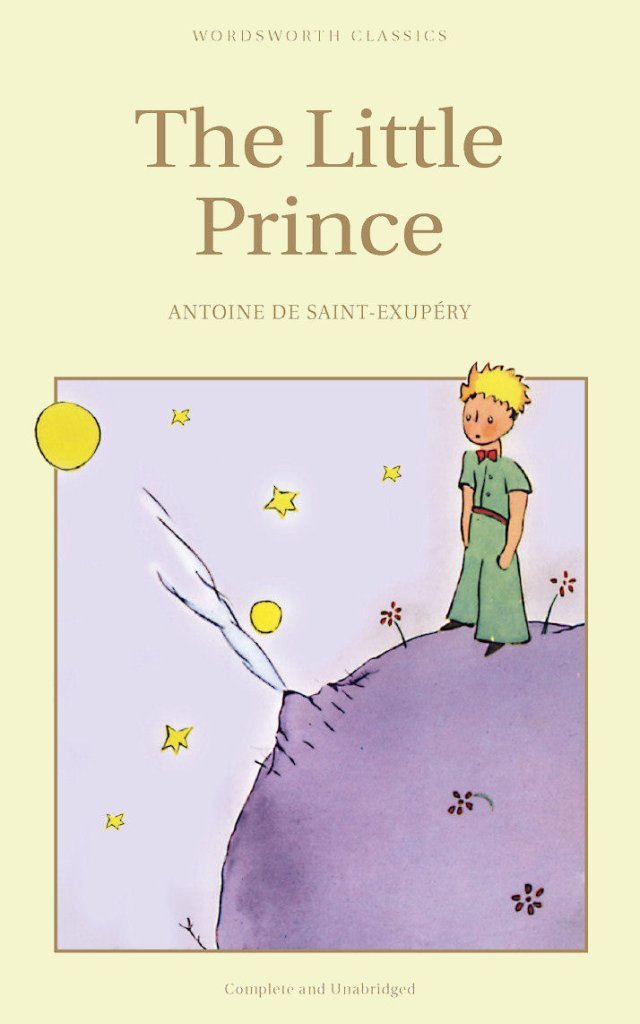
#2 — The Little Prince — trans. Katherine Woods (1943)
- Readability: High — direct and emotionally open.
- Accuracy: Good — occasionally looser with syntax.
- Tone: Warm and overtly sentimental.
- Accessibility: Excellent for readers seeking the classic version.
About the Translators
Richard Howard (1929–2022, 2000, Harcourt): American poet and translator; his translations from French include Balzac, Baudelaire, Flaubert, Proust, and Roland Barthes; his poetry won a Pulitzer Prize (Untitled Subjects, 1970) and he received a National Book Award in translation. He was the dominant American translator of French literature for half a century.
Katherine Woods (1886–1968, 1943, Reynal & Hitchcock): American literary journalist and translator; her translation appeared simultaneously with the French publication in 1943, making it the novel's first English-language text. She worked during the period when Saint-Exupéry himself was alive and in New York. The translation fell out of US copyright in 2021, making it available in many inexpensive editions.
Themes
The folly of adult reason. Each of the planets the Little Prince visits is inhabited by a single adult exemplifying a variety of human self-deception: a king who commands what he cannot actually command; a conceited man who exists to be admired; a businessman who counts stars he claims to own; a lamplighter who follows orders that make no sense. The satire is gentle but pointed — adults have lost the ability to see what matters, obsessing over numbers and facts while missing what is essential. Saint-Exupéry called grownups very strange.
Love as responsibility. The Prince's relationship with the rose on his asteroid is the novel's emotional center. He loves the rose, is exasperated by her vanity, and feels guilty for leaving her. The fox he meets on Earth teaches him that love creates obligation: "You become responsible, forever, for what you have tamed." This is Saint-Exupéry's definition of love, and it is one of the most quoted sentences in all literature in any language.
Grief and loss beneath the fable. Beneath its surface, The Little Prince is a book about death. Saint-Exupéry was writing in exile, in wartime New York, estranged from his country and his wife; he was killed the following year on a reconnaissance flight. The novel's ending — the Prince's return to his asteroid — is deliberately ambiguous about whether it is departure or death. The pilot who narrates never quite recovers from losing the Prince, and the final pages carry a grief that the charming illustrations cannot fully soften.
Key Characters
The Little Prince — a small, serious, golden-haired boy from Asteroid B-612; he left his home planet after a quarrel with his rose and has been visiting other planets ever since. He asks questions that cut through adult reasoning, and his attachment to his rose — which he understands only after meeting thousands of roses in a garden and realizing his is unique because he tended her — is the novel's emotional argument.
The Pilot — the narrator; a man who crashed in the Sahara and met the Prince while repairing his plane. He tells the story from years later, still searching the night sky for signs of the Prince's laughter among the stars. He represents the adult who has never entirely forgotten how to see what matters.
The Rose — the vain, dramatic, tenderly loved flower the Prince left behind on his asteroid. She is clearly a character rather than just a symbol — demanding, insecure, and genuinely affecting. The Prince does not understand until too late that her fragility and her dramatic claims were expressions of love rather than manipulation.
The Fox — the creature who asks to be tamed on Earth and who teaches the Prince what taming means: that you become responsible for what you have tamed, that what is essential is invisible to the eye. The fox's lessons are the novel's philosophical core, delivered in the simplest possible language.
Recommended Sources
For further academic reading on Saint-Exupéry and The Little Prince:
- French Studies (Oxford University Press) — the leading British journal for French literature; key venue for scholarly work on Saint-Exupéry's fiction and his aviation writing.
- Symposium: A Quarterly Journal in Modern Literatures — interdisciplinary venue for French literary studies; important for Saint-Exupéry's relationship between aviation writing and the fable tradition.
- Children's Literature Association Quarterly — the Little Prince's ambiguous status as both children's and adult literature makes this journal essential for its reception history across cultures.
Which translation is right for you?
Choose Howard (Harcourt) for a first or definitive reading — it is the most faithful to Saint-Exupéry's French, the most precise in its rendering of the fable's tonal shifts, and the version that represents what the author actually wrote. Choose Woods for historical or sentimental reasons — it is the translation through which three generations of English readers first encountered the book, and its slightly warmer tone is part of its own identity; now widely available in inexpensive editions since entering the public domain in 2021.
Frequently Asked Questions
What is The Little Prince about?
The Little Prince tells the story of a young prince who travels from planet to planet, meeting various inhabitants and learning about human nature. It explores themes of love, loss, and the folly of adult reasoning.
Is The Little Prince hard to read?
The Little Prince is not hard to read. Howard's translation is precise and faithful, while Woods's version is warmer and more sentimental, making both accessible to different readers.
Which The Little Prince translation is best?
Richard Howard's 2000 translation is the best for most readers. It is the most faithful to Saint-Exupéry's French syntax and tonal shifts.
Howard vs Woods — which should I choose?
Choose Howard for a first or definitive reading because it is more precise and faithful. Choose Woods for its warmer, more sentimental tone and historical significance as the original English version.
Which translation is easiest to read?
Katherine Woods's 1943 translation is easiest to read for many. Its warmer, more overtly sentimental tone and rhythmically rounded phrasing give it a direct emotional openness.
Which translation is most accurate?
Richard Howard's translation is the most accurate. He follows Saint-Exupéry's French syntax more closely and preserves the fable's tonal shifts without unnecessary sentimentality.
Why did Howard's translation replace Woods as the standard edition?
Harcourt commissioned Howard in 2000 to replace the aging Woods text. Howard offers greater fidelity to the original French and a more contemporary register while retaining the story's otherworldliness.
This guide is based on reading the two translations and reviewing scholarly commentary. Last reviewed: June 2026.
As an Amazon Associate, I earn from qualifying purchases.
Looking for another classic? Browse all our translation guides →
Readers drawn to Saint-Exupéry’s fable often enjoy our guide to the best Candide translation.
For more modern French fiction, see our comparison of the best Stranger translations by Camus.
Another landmark of French literature is covered in our Madame Bovary translation guide.
If you like philosophical tales, our Les Misérables translation guide is worth exploring.